DbcultAccessing Vault...
6.1/10
Senior Film Conservator
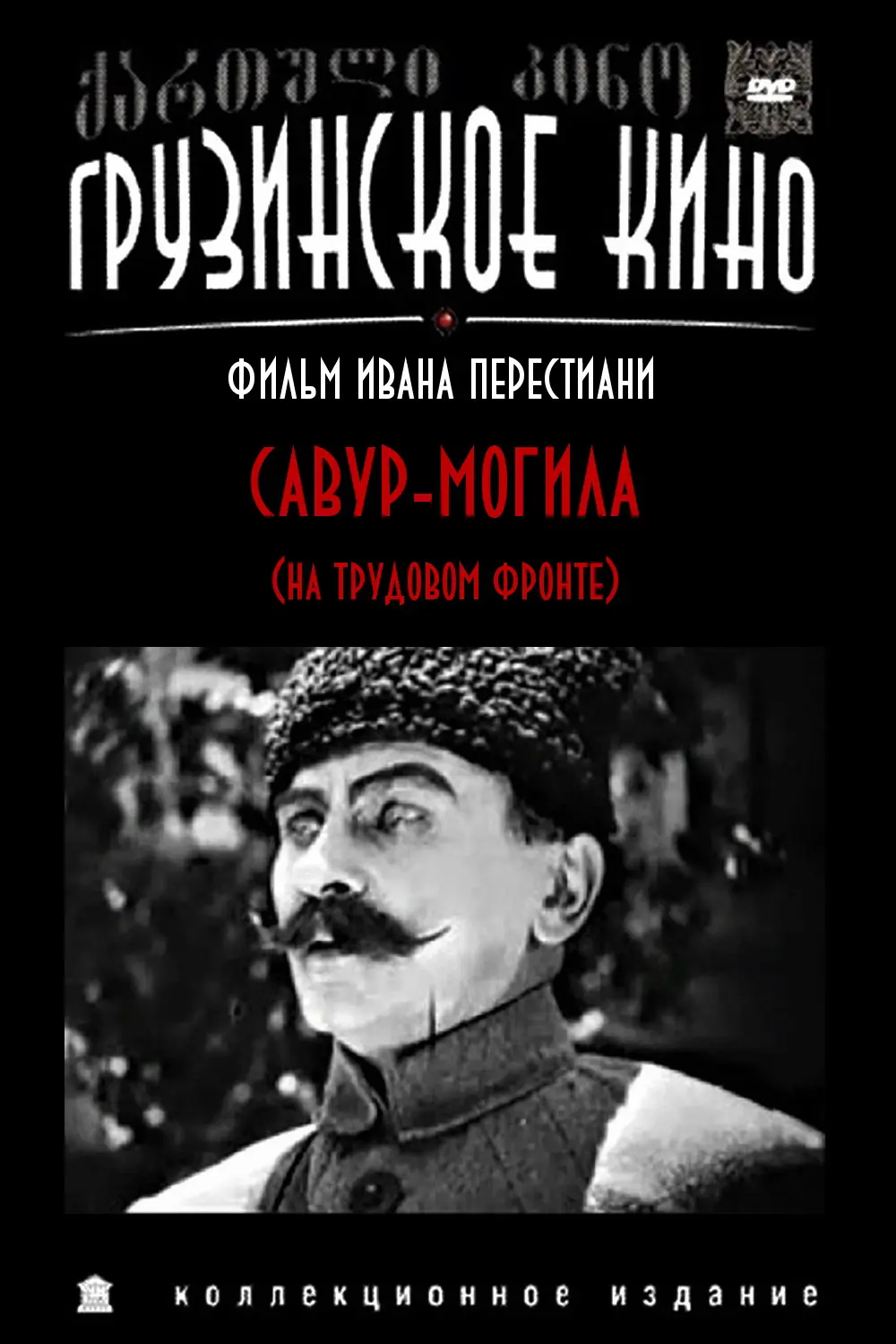
A definitive 6.1/10 rating for a film that redefined the boundaries of cult cinema. Savur-Mogila remains a cornerstone of transgressive art.
Is 'Savur-Mogila' worth watching today? Short answer: yes, but with significant caveats and a clear understanding of its historical context. This early Soviet production is a fascinating, if often challenging, historical artifact best suited for dedicated cinephiles, students of early propaganda, and those deeply interested in the origins of Russian cinema, not for casual viewers seeking modern narrative thrills.
This film works because of its undeniable historical significance as an early Soviet propaganda piece, offering a raw, unfiltered look into the ideological fervor of its time. It also boasts surprisingly dynamic performances from the 'Red Imps,' given the era's nascent filmmaking constraints. This film fails because its narrative is often disjointed, heavily reliant on a specific political context that is now largely lost on a general audience, and its technical limitations, while understandable for its age, can make for a difficult viewing experience. You should watch it if you are deeply interested in the origins of Soviet cinema, the portrayal of the Russian Civil War, or the evolution of propaganda in film, and are prepared for a viewing experience that prioritizes historical insight over entertainment value.
Ivane Perestiani's Savur-Mogila isn't a film in the contemporary sense of intricate plotting and character arcs. Rather, it functions as a visual pamphlet, a dramatic reenactment designed to solidify revolutionary ideals in the minds of a nascent Soviet audience. The core narrative, as sparse as it is, revolves around a military demonstration. Here, the legendary 'Red Imps' — Misha, Duniasha, and Tom Jackson — are presented as the vanguard of the new order, embodying youthful zeal and unwavering commitment to the Bolshevik cause.
Their primary objective in this particular sequence is the presentation of a captured enemy: the notoriously dangerous anarchist leader, Makhno. This isn't merely a plot point; it's a symbolic act. Makhno, a historical figure, represented a complex threat to the Bolsheviks, embodying a different, anarchic vision of revolution. His capture and public display by the 'Red Imps' serve as a potent visual metaphor for the triumph of the organized, disciplined Red Army over chaotic, individualistic resistance. The film, therefore, is less about what happens and more about what it represents: the inevitable victory of the proletariat and its youthful standard-bearers.
The film's reliance on a 'military demonstration' as its central event speaks volumes. It's not a secret mission or a clandestine operation, but a public spectacle, a performative act of power. This open display reinforces the idea of transparency and popular support for the Red Army, positioning the 'Red Imps' as heroes whose exploits are celebrated openly. The narrative, stripped of subplots or moral ambiguities, functions as a clear-cut allegory of good versus evil, with the Red Imps unequivocally on the side of progress and Makhno representing a dangerous, regressive force.
The performances in Savur-Mogila, particularly from the trio known as the 'Red Imps' – K. Gromek as Misha, Zaali Terishvili as Duniasha, and Vladimir Sutyrin as Tom Jackson – are perhaps the film's most enduring and, frankly, most watchable elements. These young actors, likely chosen for their energy and ideological conviction rather than polished technique, bring a raw, almost untamed vitality to their roles.
K. Gromek's Misha exudes a youthful bravado, a confident leader archetype that would become common in Soviet cinema. His interactions, though often delivered with the broad gestures typical of silent film, convey a sense of purpose and unwavering belief. Terishvili's Duniasha offers a crucial female presence, not as a damsel in distress, but as an active, capable participant in the revolutionary struggle. Her performance, even through the limitations of early cinematography, suggests a fierce independence and an equal footing with her male counterparts, a progressive portrayal for the era.
Vladimir Sutyrin's Tom Jackson, the 'international' member of the trio, adds an intriguing layer. His presence underscores the global aspirations of the Soviet revolution, suggesting a camaraderie that transcends national borders. While the character might feel like a propaganda construct today, Sutyrin imbues him with a stoic determination that complements Misha's fire and Duniasha's resolve. The scene where they collectively present Makhno, their faces a mixture of triumph and stern resolve, is particularly potent. It’s a moment designed to cement their heroic status, and the actors, despite the minimalist direction, succeed in conveying that.
Their collective energy is palpable, cutting through the often static nature of early cinema. They move with a purpose, their expressions are direct, and their portrayal of revolutionary youth is genuinely convincing within the film's ideological framework. Compared to the more theatrical acting styles seen in some contemporary European films like A Doll's House (1922), the 'Red Imps' offer a more naturalistic, albeit still demonstrative, approach suited to the revolutionary zeal they embody.
Beyond the central trio, the supporting cast, including Aleksandr Gromov as Makhno, delivers performances that, while less prominent, serve the film's overarching message. Gromov's portrayal of Makhno, for instance, must walk a fine line: dangerous enough to justify the Red Imps' heroism, but ultimately defeated to reinforce the Red Army's invincibility. His presence provides a necessary antagonist, a physical embodiment of the forces the revolution sought to overcome.
The various uncredited faces in the 'military demonstration' scenes contribute to the film’s sense of a united populace. Their reactions, whether cheering or looking on with stern approval, are crucial for establishing the film's intended reception. It’s a collective performance, where individual identities are secondary to the larger revolutionary spirit. This approach is a hallmark of early Soviet cinema, where the masses often functioned as a protagonist in themselves.
Ivane Perestiani, a pioneer of Soviet cinema, directs Savur-Mogila with a clear, if unsophisticated, vision. His primary goal is not aesthetic innovation but ideological clarity and emotional impact. The pacing is deliberate, almost instructional, allowing the audience to absorb the visual messaging. There's a certain raw energy to his direction, a directness that bypasses subtlety in favor of unequivocal statements.
Perestiani employs straightforward shot compositions, often favoring medium shots and full figures to emphasize action and character interaction within the frame. There are no complex tracking shots or elaborate montages à la Eisenstein yet; the focus is on clear, legible storytelling. For instance, the scene depicting Makhno's capture, even if implied rather than shown in full detail, is conveyed through rapid cuts that suggest urgency and decisive action, leading directly to his public display.
The director's strength lies in his ability to harness the nascent power of cinema for political ends. He understands how to create heroes and villains, how to stage a scene to evoke a specific emotional response from the audience – whether it's admiration for the Red Imps or contempt for Makhno. The 'military demonstration' itself is staged as a grand, almost theatrical event, designed to inspire awe and reinforce the might of the Red Army. It’s effective. But it’s flawed. The lack of visual dynamism, when compared to a film like The Last Laugh from just a few years later, highlights the technological and stylistic limitations Perestiani was working under.
The cinematography of Savur-Mogila is, by modern standards, rudimentary. Shot in black and white, the film utilizes available light and basic camera techniques. Yet, this simplicity lends the film a certain gritty authenticity. The images are stark, often high-contrast, which inadvertently emphasizes the harsh realities of the revolutionary period it depicts. There's no glamour here, no polished sheen; just raw, unvarnished visual information.
The visual language is functional, prioritizing clarity over artistic flourish. Close-ups are used sparingly, often to emphasize a character's determination or the villain's malice. The broader shots of the military demonstration aim to convey scale and public engagement. While it lacks the groundbreaking visual experimentation that would soon define Soviet montage cinema, its straightforward approach allows the ideological message to come through unimpeded. The visual style is almost documentary-like in its directness, a characteristic shared with other early films like Moving Silhouette Images Broadcast, which prioritized capturing reality.
One might even argue that the film's technical limitations become part of its charm. The flickering images, the occasional graininess, and the stark lighting choices contribute to an almost archival feel, transporting the viewer back to a specific moment in time. It’s a window into the past, unburdened by modern cinematic gloss. This raw aesthetic, in a strange way, enhances its power as a historical document, even if it detracts from its appeal as mainstream entertainment.
The pacing of Savur-Mogila is best described as deliberate, almost processional. It's not a film designed for rapid-fire action or suspense, but rather for the steady, methodical unfolding of an ideological narrative. Each scene, each interaction, serves to reinforce the central tenets of the revolution. The 'military demonstration' sequence, for instance, unfolds with a measured rhythm, building up to the dramatic reveal of the captured Makhno. This measured pace allows the audience to absorb the symbolic weight of each moment.
The tone is overwhelmingly one of triumphalism and earnest conviction. There's no room for irony or ambiguity. The Red Imps are presented as unblemished heroes, their actions righteous and their cause just. Makhno, conversely, is portrayed as a clear villain, a dangerous force to be subdued. This clear-cut moral landscape is typical of propaganda films, designed to leave no doubt in the viewer's mind about who to support and why. The film doesn't attempt to explore the complexities of the Russian Civil War; it merely presents a victorious chapter from a partisan perspective.
This unwavering tone, while effective for its original purpose, can feel somewhat monotonous to a modern audience accustomed to more nuanced storytelling. However, it's crucial to remember that its primary function was not entertainment in the modern sense, but instruction and inspiration. It’s a cinematic sermon, delivered with conviction and a powerful, if simple, message.
To truly appreciate Savur-Mogila, one must view it through a historical lens, recognizing its role as a powerful piece of early Soviet propaganda. In the chaotic aftermath of the Russian Civil War, cinema was quickly identified as a crucial tool for consolidating power, educating the illiterate masses, and instilling revolutionary values. Films like this were not just entertainment; they were instruments of state policy, designed to shape public opinion and galvanize support for the new regime.
The film's focus on the 'Red Imps' — young, heroic, and ideologically pure — was a deliberate strategy to appeal to the youth and establish role models for the new Soviet generation. Their exploits, even if simplified, served to illustrate the bravery and righteousness of the Red Army. The depiction of Makhno as a dangerous, yet ultimately conquerable, enemy reinforced the message that all threats to the revolution would be overcome.
I'd argue its true strength lies not in its cinematic polish, but in its raw, almost anthropological value. It’s a direct window into the mindset of the early Soviet state, a tangible example of how a new power sought to define itself and its enemies through the then-novel medium of film. It’s a testament to the power of cinema, even in its infancy, to shape narratives and influence populations. Frankly, many contemporary audiences will find it a slog if they aren't prepared for this context.
Yes, for specific audiences, Savur-Mogila is absolutely worth watching. It is a vital historical document. It offers a unique glimpse into early Soviet filmmaking. The film showcases propaganda techniques in their formative stage. It's a challenging but rewarding experience for the right viewer. Casual moviegoers will likely find it difficult.
Savur-Mogila is not a film to be approached lightly, nor is it one designed for broad appeal in the 21st century. It is a time capsule, a powerful, if crude, testament to the early days of Soviet filmmaking and its potent use as a tool for political indoctrination. While its technical shortcomings and overt propagandistic bent might deter many, its historical significance and the raw energy of its young cast make it an indispensable watch for those committed to understanding the evolution of cinema and the revolutionary fervor that gripped Russia a century ago. It’s a challenging viewing, but for the right audience, it offers a profound glimpse into a pivotal moment in history, cementing its place not as a 'masterpiece' of entertainment, but as an invaluable piece of cinematic history.
IMDb —
1923
Community
Log in to comment.