DbcultAccessing Vault...
7.6/10
Senior Film Conservator
A definitive 7.6/10 rating for a film that redefined the boundaries of cult cinema. Meteora remains a cornerstone of transgressive art.
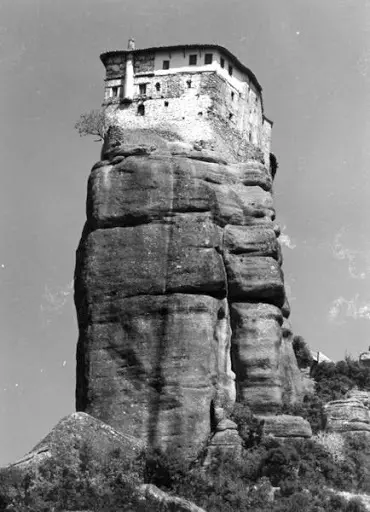
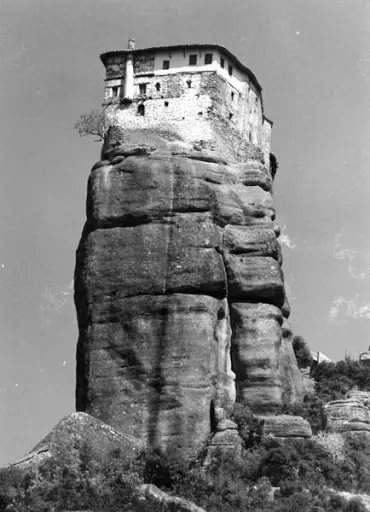
The screen of Meteora is awash with the golden hues of dawn breaking over the towering rock formations of Meteora, Greece, a setting that immediately establishes the film's spiritual and contemplative tone. This isn't a conventional narrative but a series of interconnected scenes that paint a vivid picture of monastic life, rich with texture and depth.
From the moment the camera pans over the rugged cliffs, the viewer is enveloped in a sense of awe and reverence. The monks, portrayed with a blend of authenticity and human vulnerability, navigate their daily routines with a quiet grace that speaks volumes about the profound inner lives they lead. Each scene is meticulously crafted, every shot a meditation on the beauty and isolation of their existence.
The film's narrative is as layered as the rock formations that serve as its backdrop. We see moments of profound spiritual connection, as well as the quieter, more mundane aspects of life in the monastery. The monks are not mere figures of piety; they are complex individuals with their own struggles, fears, and desires. This humanization of the characters is one of the film's greatest strengths, allowing the audience to connect with them on a deeply personal level.
The cinematography is nothing short of breathtaking. The camera captures the play of light and shadow across the weathered stone, emphasizing the temporal nature of life and the transient beauty of the natural world. The use of long takes and static shots creates a sense of stillness, mirroring the monk's own contemplative practices.
Meteora's soundtrack is equally compelling, blending traditional monastic chants with ambient sounds of the natural world. The music enhances the film's meditative atmosphere, providing a soundtrack for the viewer's own inner journey.
While other films such as The Crow's Nest and Három hét explore similar themes of spirituality and human connection, Meteora stands out for its intimate focus on the individual monk. Unlike the collective experiences captured in Luffar-Petter, Meteora centers on the solitary nature of monkhood, making it a more introspective and personal viewing experience.
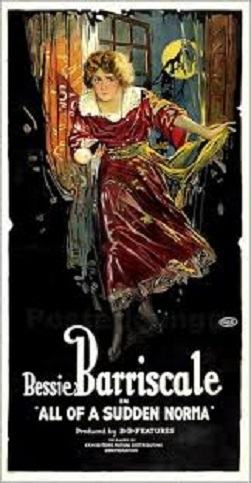
Moreover, the film's exploration of the physical and emotional challenges faced by the monks sets it apart from more fantastical or romanticized depictions of monastic life. In The On-the-Square Girl, the focus is often on the external, while Meteora delves into the inner struggles and transformations that occur in the isolation of the monastery.
One of the film's most striking aspects is its ability to portray the beauty of isolation. The monks' lives are marked by a sense of solitude that is both a challenge and a gift. This is beautifully captured in scenes where a monk is seen alone, gazing out at the vast landscapes around him, a testament to the spiritual discipline that allows them to find solace in the midst of the barren stones.
The film's pacing is deliberate and unhurried, allowing the viewer to absorb the scenes and the characters fully. While some viewers might find the slow pace tedious, it serves the film's purpose well. The lack of a conventional plotline or linear narrative encourages the viewer to engage with the material on a deeper level, reflecting the contemplative nature of monastic life.
Despite its focus on the individual, Meteora also manages to convey a sense of community. The monks are not isolated figures but part of a larger brotherhood, each contributing to the collective life of the monastery in their own way. This balance between individuality and communal spirit is a testament to the film's nuanced portrayal of monastic life.
One of the film's strongest elements is its use of natural light and the changing of seasons to underscore the cyclical nature of life. The film begins and ends with the monastic routine of climbing the rock formations, a daily ritual that is both a physical and spiritual challenge. This recurring image serves as a metaphor for the monks' lives, reminding them of their place in the natural world and their place in the larger cycle of time.
However, the film is not without its flaws. At times, the narrative can feel a bit disjointed, particularly in the middle sections where the focus shifts between different monks and their experiences. While this structure allows for a more comprehensive exploration of the monkhood, it can make the film feel less cohesive than it could be.
Another potential drawback is the limited cast. With so much focus on the individual monks, the film could have benefited from a slightly larger ensemble to provide a more diverse range of experiences and perspectives. Nevertheless, the performances are uniformly excellent, with each actor bringing a unique depth to their character.
Overall, Meteora is a compelling and deeply moving exploration of monastic life. It invites the viewer to step into the shoes of the monks, to share in their quiet struggles and profound moments of peace. While it may not appeal to those seeking a fast-paced or action-packed narrative, it is a meditation on the beauty and challenges of a life dedicated to spiritual practice and community.
The film's success lies in its ability to strip away the trappings of modern life and reveal the simplicity and depth of a life lived in contemplation. For those interested in spiritual cinema or those who appreciate a more contemplative approach to storytelling, Meteora is a must-see.
As the final credits roll over the serene landscapes of Meteora, the viewer is left with a sense of awe and a deeper understanding of the monastic way of life. Meteora is a film that stays with you long after the credits have finished, a lasting testament to the enduring power of spirituality and human connection.

IMDb —
1914
Community
Log in to comment.