DbcultAccessing Vault...
Cult Review
Senior Film Conservator

Stepping into the world of 'Glory' is akin to unearthing a forgotten relic, a silent film that, despite its age, reverberates with themes startlingly contemporary. It's a narrative that peels back the veneer of progress to expose the raw, enduring human struggles against avarice, deceit, and the capricious hand of fate. From its opening frames, the film plunges us into a labyrinthine plot orchestrated by an oil company president whose moral compass is conspicuously absent. His discovery of oil in the quaint, unsuspecting town of Glory ignites a corporate conspiracy that sets in motion a cascade of events, forever altering the lives of its inhabitants. This isn't just a story; it's a social commentary, a dramatic indictment of unchecked capitalism and the devastating consequences of prioritizing profit over people.
The initial deception is ingenious in its simplicity: a phantom railroad company, conjured from thin air, promises prosperity to the denizens of Glory, dangling the irresistible lure of a new station. The representative dispatched to secure property rights embodies the insidious nature of this corporate machination. His actions transcend mere business dealings, culminating in a fabricated marriage with the village postmistress. This pivotal act, seemingly a minor detail in the grand scheme of corporate expansion, becomes the emotional bedrock upon which the film's sprawling drama is built. It’s a stark reminder that even the most calculated schemes can unravel, or worse, birth unforeseen complexities that demand a reckoning. The postmistress, a figure of vulnerability and unwitting entanglement, becomes a tragic emblem of the era's societal constraints, her agency eroded by circumstances beyond her control.
The birth of a child, a consequence of the postmistress's 'marriage,' introduces a profound layer of pathos. Unable to provide for her infant, she makes the agonizing decision to abandon the baby, named Glory Glory, at the village hotel, entrusting her to the care of two kindly German proprietors. This act of desperate love, born from an inability to sustain her child, echoes the stark realities faced by many women in an era devoid of social safety nets. It’s a moment of raw, unvarnished emotion, rendered all the more poignant by the silent film's reliance on visual storytelling and the audience's empathetic imagination. The subsequent adoption of the child by the entire village underscores a communal spirit, a stark contrast to the ruthless individualism driving the oil company's agenda. This theme of communal care versus corporate rapacity finds resonance in films like The Undertow, which often explored the societal pressures and moral dilemmas faced by individuals caught in the currents of a rapidly industrializing world.
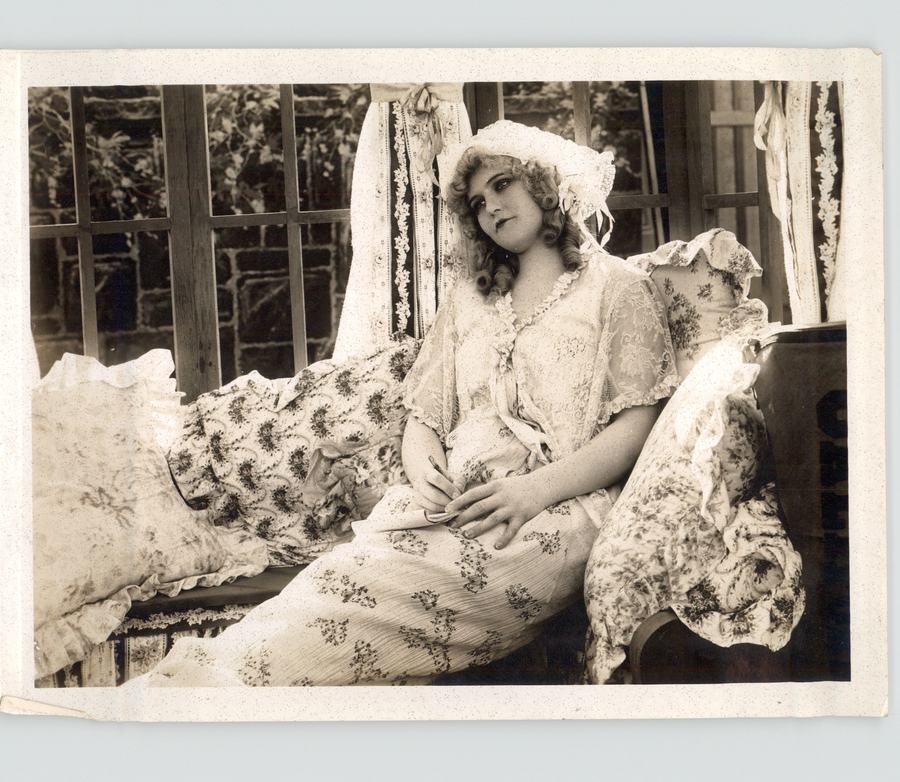
Meanwhile, the mother's own trajectory takes a dramatic turn. Her journey to the city culminates in a collapse outside the very home of the oil company president, the architect of her initial misfortune. This coincidence, while perhaps stretching the bounds of verisimilitude, serves as a powerful narrative device, injecting a dose of poetic irony into the unfolding drama. Upon examination, a doctor reveals a profound amnesia, a convenient yet potent plot twist that effectively wipes her slate clean, allowing for a new identity to emerge. The president, a widower, takes her in as governess to his young son, unwittingly bringing the past into the very heart of his present. This loss of memory, a classic trope, is handled here with a certain narrative efficiency, facilitating the intricate web of relationships that will define the film's latter half. One might draw parallels to the psychological complexities explored in The Case of Becky, where identity and memory play equally crucial roles in driving the dramatic tension.
Years elapse, and both the village-raised Glory Glory and the president's son mature into adulthood. Their accidental meeting, a seemingly innocuous encounter, blossoms into an ardent romance. This burgeoning love story, innocent and pure, is set against the backdrop of simmering tensions between the exploited town of Glory and the powerful oil company. The children of two disparate worlds, one born of deception and abandonment, the other of privilege and corporate power, find themselves drawn together by an irresistible force. Their relationship isn't merely a romantic subplot; it's the emotional fulcrum around which the film's larger themes of justice and reconciliation pivot. It’s a classic star-crossed lovers narrative, reminiscent of the romantic entanglements found in The Prince of Graustark or Her Great Match, but imbued with a more profound sense of social consequence.
The inevitable clash between the oil company and the people of Glory ignites a fervent struggle for property rights. The son, torn between filial loyalty and his burgeoning love for Glory Glory, unequivocally sides with her and her community. This act of defiance, a young man choosing principle over inherited power, is a powerful moment of moral clarity within the narrative. It highlights the generational shift in values, where the ruthlessness of the father is countered by the idealism of the son. The battle for Glory's land is not just about oil; it’s about heritage, community, and the fundamental right to one's home. The stakes are raised exponentially as the film ventures into the courtroom, a battleground where the past and present collide with dramatic force.
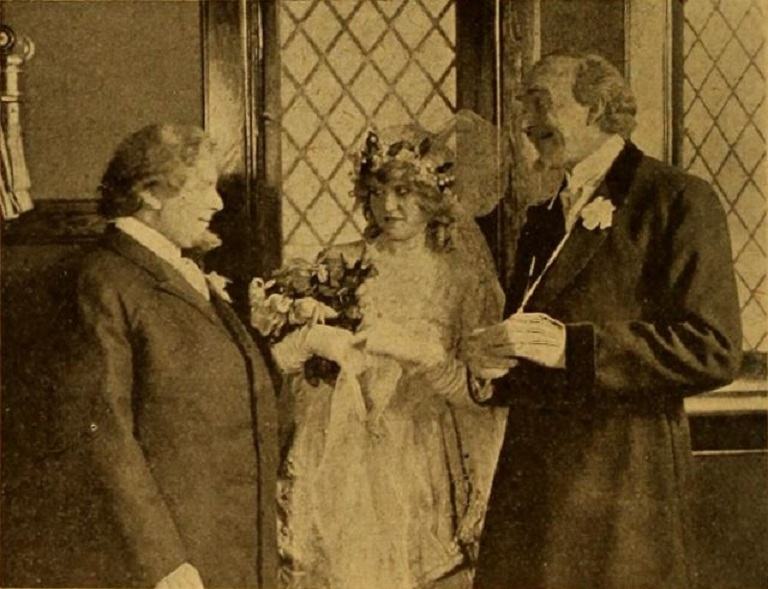
The dramatic irony of the courtroom scene is palpable: the man who orchestrated the initial deceit and 'married' the postmistress has ascended to the esteemed position of a judge. His initial dismissal of the citizens' charges is a chilling testament to the corrupting influence of power and the ease with which past transgressions can be buried under layers of authority. This moment of injustice serves as the catalyst for the son's desperate act: the theft of crucial case papers. This bold move, born of love and a burning desire for fairness, propels the narrative towards its climax, transforming the son from a romantic lead into an active agent of change. It's a classic underdog story, where the seemingly insurmountable power of the establishment is challenged by the courage of individuals.
The cast, though operating within the expressive confines of silent cinema, undoubtedly contributed to the film's emotional weight. While specific performance nuances are often lost to time or generalized in historical accounts, actors like May Cloy, likely portraying the resilient yet vulnerable postmistress/governess, would have relied on exaggerated gestures and facial expressions to convey profound internal turmoil and strength. Clarence Kolb, perhaps embodying the morally compromised oil president, would have brought a gravitas to his villainy, a calculated coldness that defined the corporate antagonist of the era. Wellington A. Playter, potentially the idealistic son, would have had to convey youthful passion and burgeoning integrity through his physicality. The supporting cast, including Max Dill, Doris Baker, Allan Forrest, Juanita Hansen, Frank Mayo, and William Lampe, would have fleshed out the vibrant community of Glory and the machinations of the city, each playing a vital role in the intricate dance of alliances and betrayals. Their collective efforts, guided by the vision of the filmmakers, would have been crucial in sustaining the narrative's emotional momentum. One can imagine the nuanced portrayals, even without dialogue, conveying the silent film's powerful dramatic beats, much like the ensemble work seen in films such as Mixed Blood or The Fatal Wedding, where complex family dynamics and social struggles were brought to life through visual storytelling.
The eventual decision by the judge and the oil company president to make restitution marks a significant turning point, a triumph of conscience over greed. It suggests that even the most entrenched corruption can be eroded by the relentless pursuit of truth and the unwavering power of love. The discovery that the original marriage was, in fact, legal, adds another layer of vindication, restoring not just property but also honor and legitimacy. This plot twist, while neatly tying up loose ends, also reinforces the idea that justice, though often delayed, can ultimately prevail. The people of Glory reclaim their land, their dignity, and their future. And in the heart of it all, Glory Glory finds her happy ending with her sweetheart, their love sanctified by the hard-won victory of their community.
Aaron Hoffman, credited as the writer, crafted a narrative that is both intricate and emotionally resonant. His ability to interweave themes of corporate malfeasance, personal betrayal, lost identity, and redemptive love within a single, cohesive plot speaks to a sophisticated understanding of dramatic structure. The pacing, though dictated by the conventions of silent film, likely maintained a steady build-up of tension, punctuated by moments of high drama and emotional revelation. The narrative arc, from initial deception to eventual triumph, is meticulously constructed, ensuring that each plot point serves a larger purpose in the grand tapestry of the story. Hoffman's work here demonstrates a skill in crafting tales that resonated with contemporary audiences, exploring moral dilemmas and social issues that were as relevant then as they are today. The complexity of the plot and the moral ambiguities presented are a testament to the depth of storytelling prevalent even in the early days of cinema.
'Glory' is more than just a period piece; it's a testament to the enduring power of storytelling. Its exploration of themes like corporate accountability, the resilience of the human spirit, and the redemptive power of love transcends its silent film origins. While the visual language of silent cinema might seem antiquated to modern eyes, the emotional core of 'Glory' remains vibrant and compelling. It serves as a powerful reminder that the fundamental struggles of humanity – for justice, for love, for a place to call home – are timeless. This film, in its quiet yet impactful way, stands as a significant piece of cinematic history, offering insights into both the artistic sensibilities and societal concerns of its era. It exemplifies how early cinema could tackle complex moral questions with grace and dramatic flair, leaving a lasting impression long after the final frame. The film's resolution, while satisfyingly neat, carries the weight of the arduous journey undertaken by its characters, solidifying its place as a compelling narrative within the silent film canon.
IMDb —
1916
Community
Log in to comment.