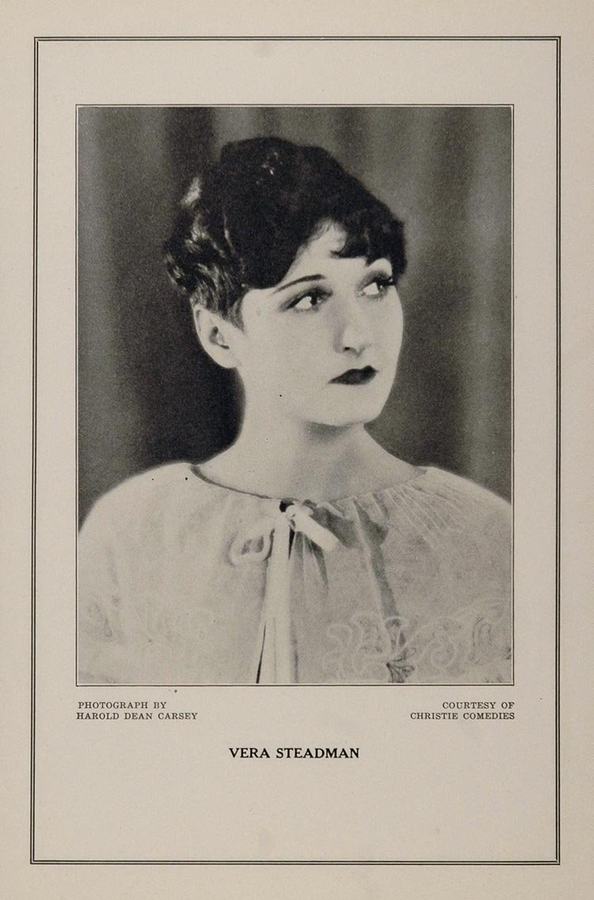
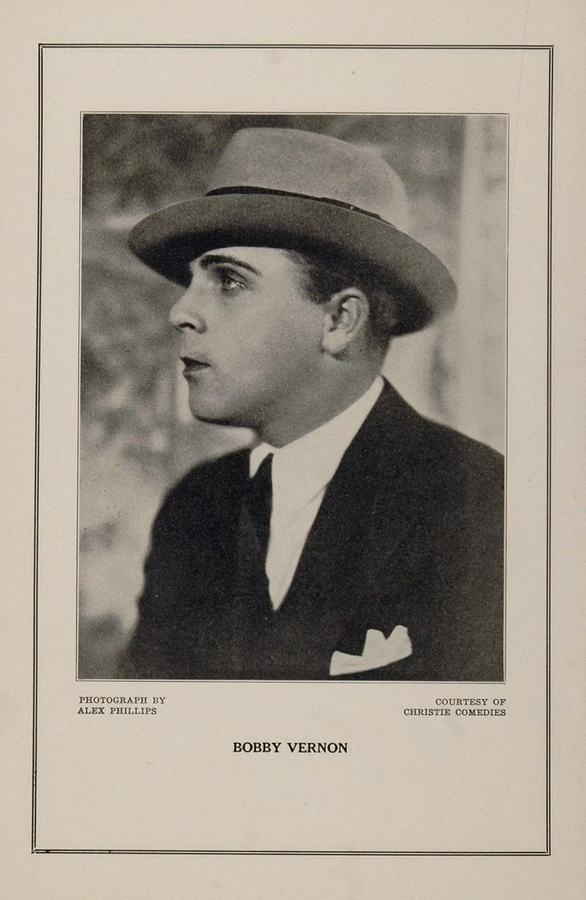
A bridegroom's friend gifts him a bottle of booze, and then alerts the police, in order to win the bride for himself..
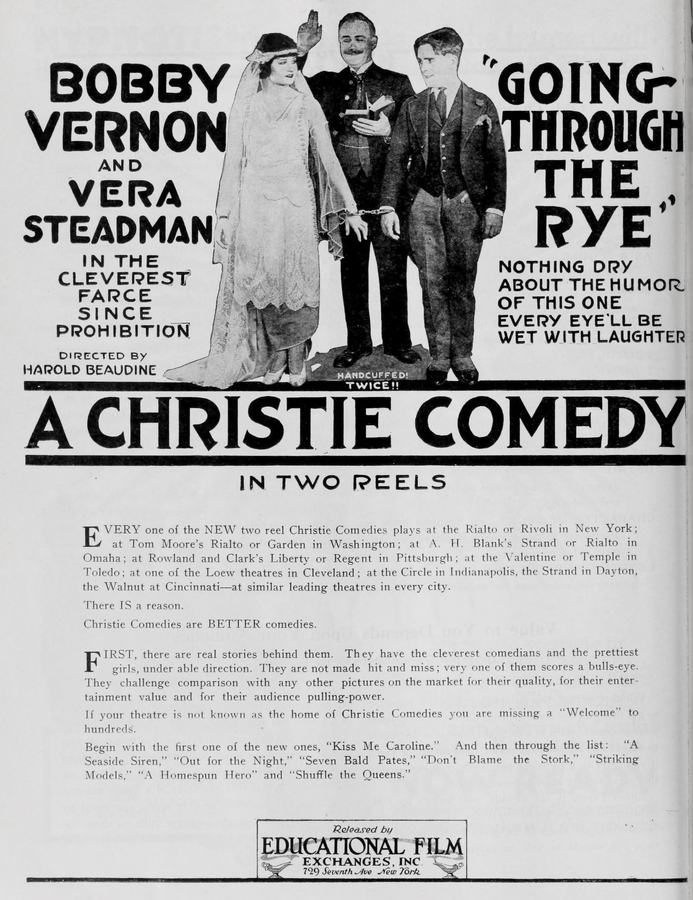
Picture a brittle 78-rpm record spinning in the dark: the needle drops, and the crackle that follows is the sound of trust fracturing. Goin' Thro' the Rye—that deceptively pastoral title—belongs to a 1923 one-reel cyclone where matrimony collides with malice inside a scant twelve minutes. The film survives only in fr...
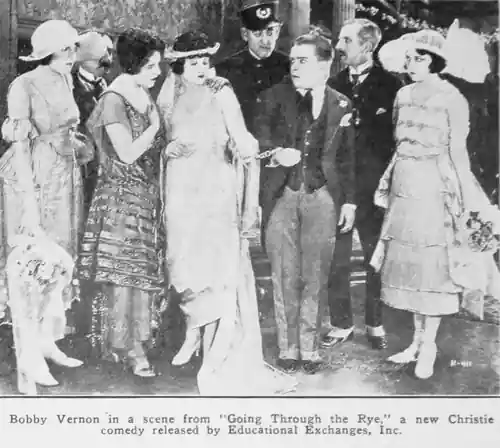
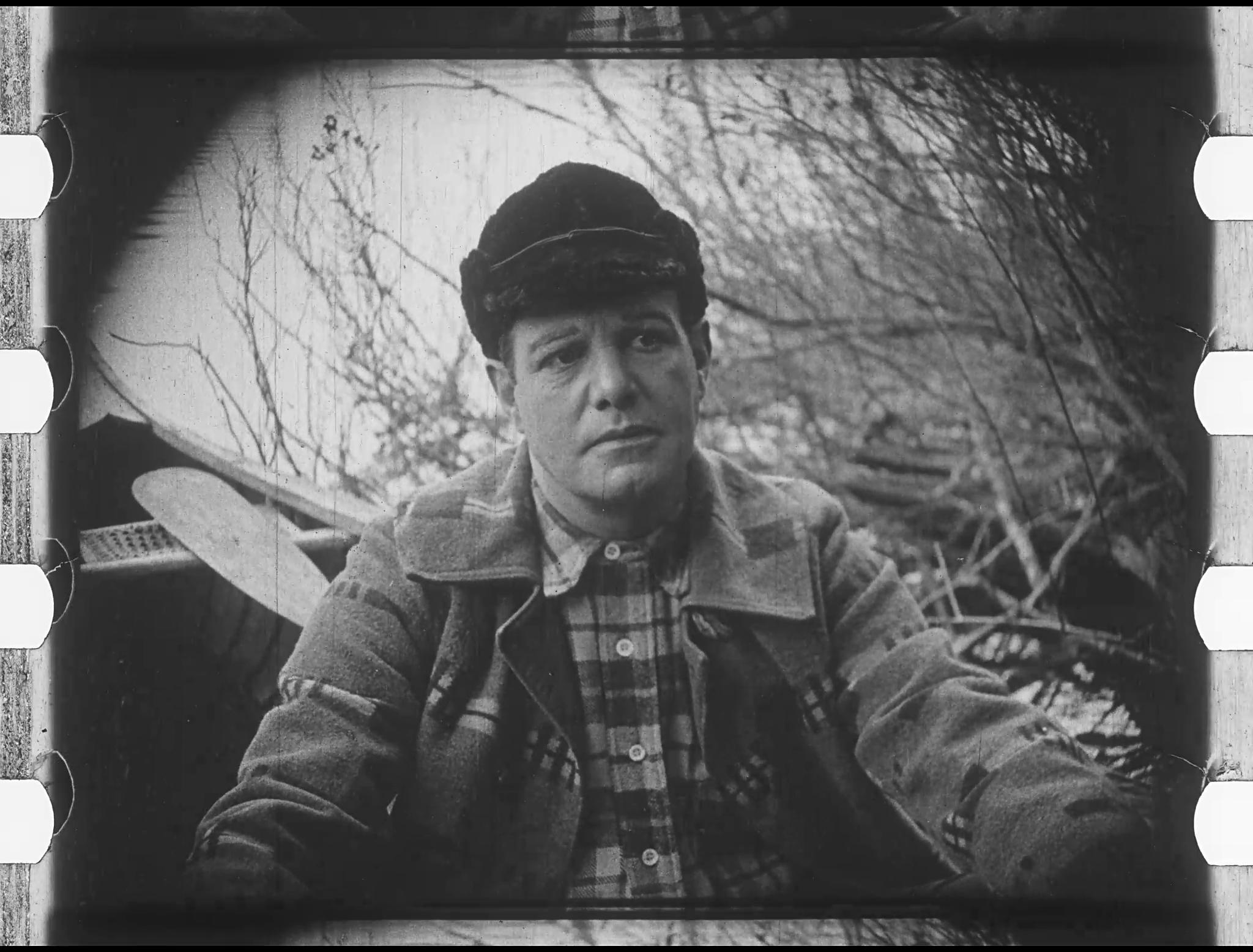
still_frame
Comparing the cinematic DNA and archive impact of two defining moments in cult history.
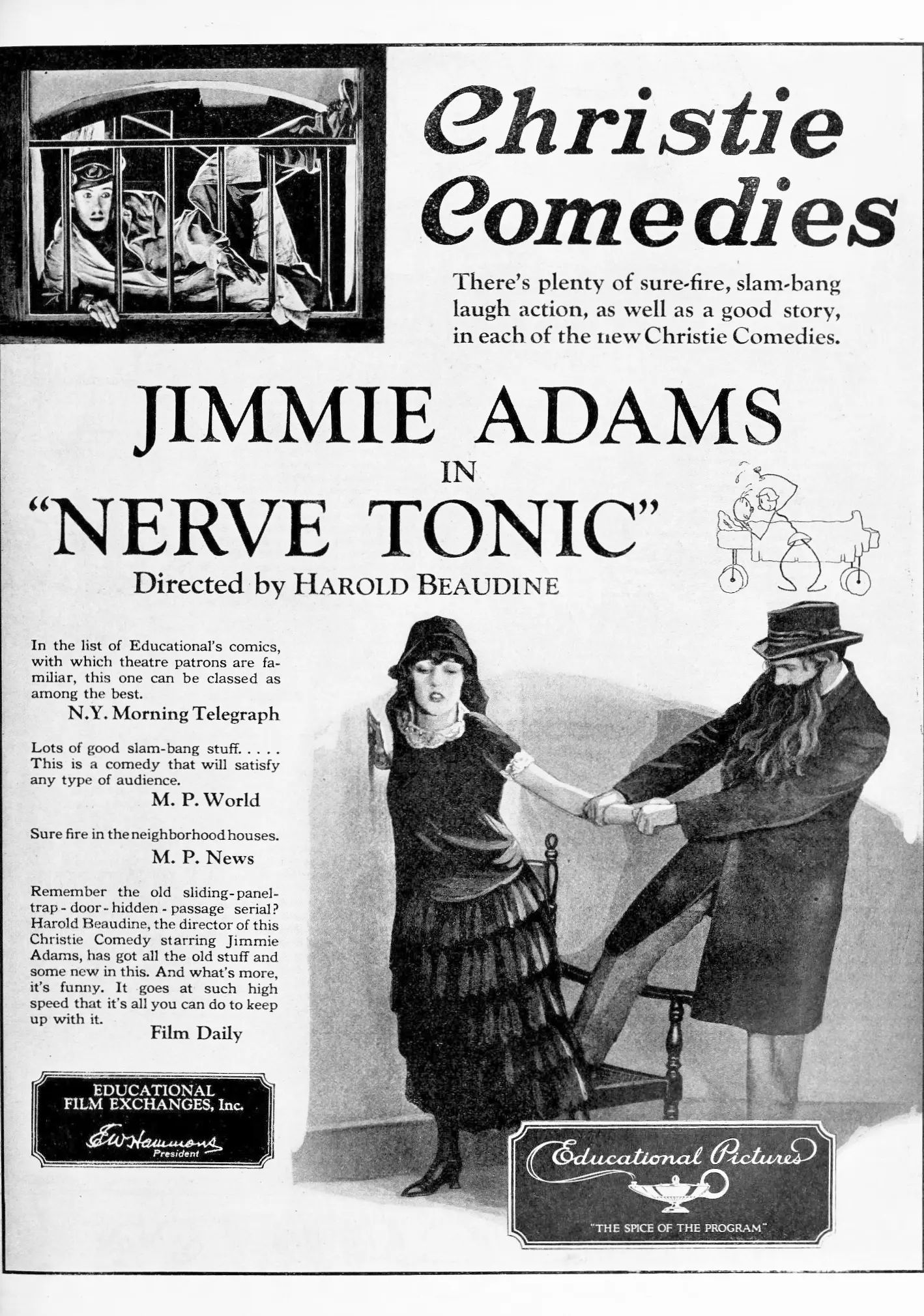
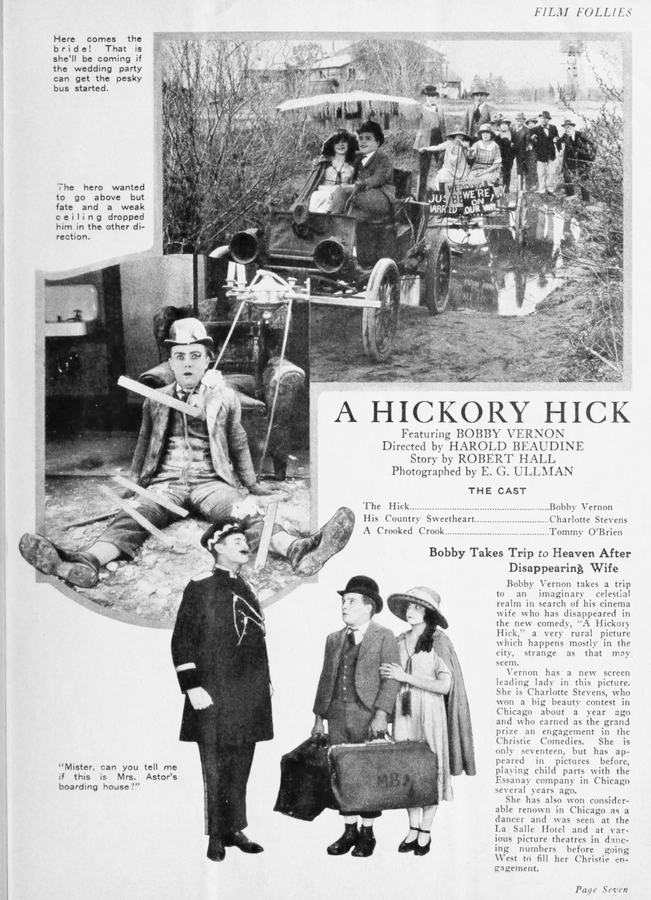
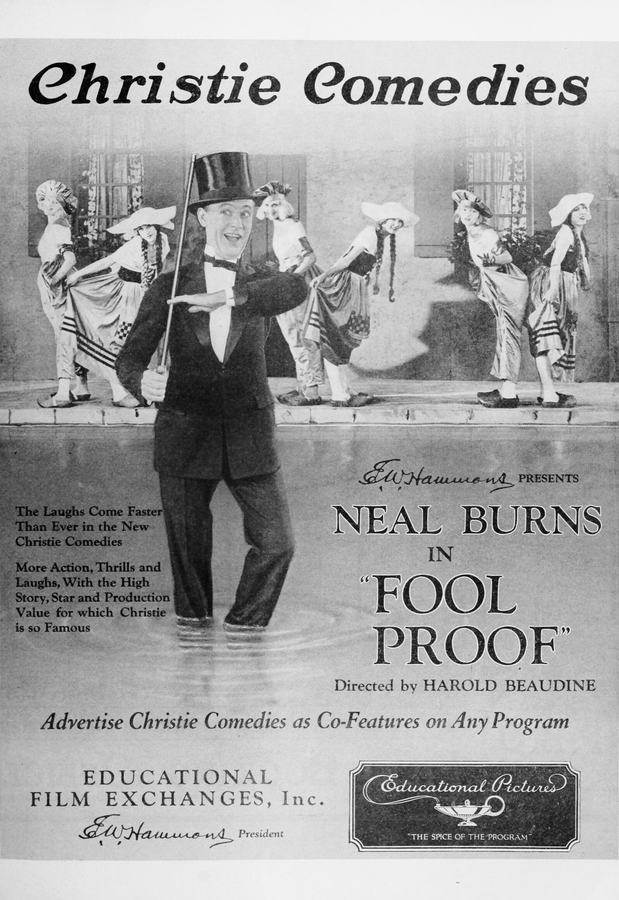
Harold Beaudine
Reggie Morris
Community
Log in to comment.
" Picture a brittle 78-rpm record spinning in the dark: the needle drops, and the crackle that follows is the sound of trust fracturing. Goin' Thro' the Rye—that deceptively pastoral title—belongs to a 1923 one-reel cyclone where matrimony collides with malice inside a scant twelve minutes. The film survives only in fragmentary prints, yet what remains is a distillation of every primal fear that stalks the aisle: that the person handing you the ring today might tomorrow slip handcuffs around you..."
Scott Darling, Frank Roland Conklin
United States
Deep dive into the cult classic
Discover similar cinematic experiences
A Directorial Spotlight on Harold Beaudine