Summary
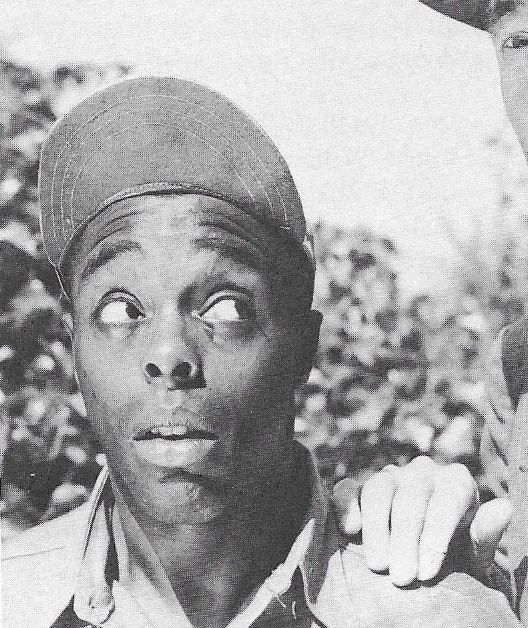
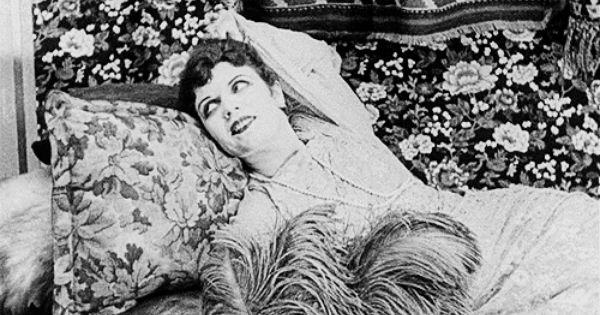
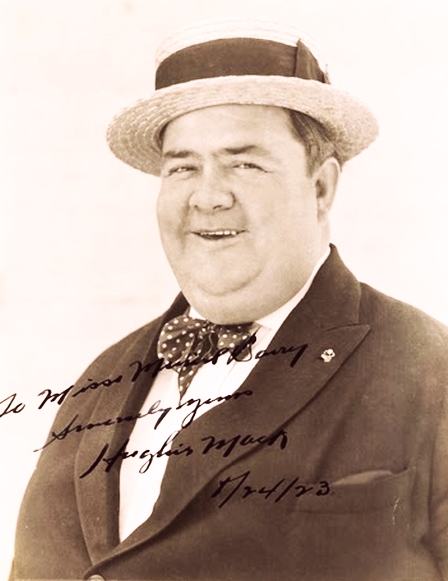
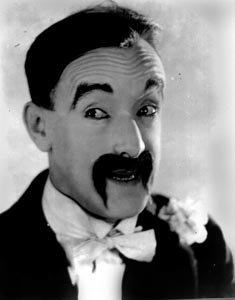
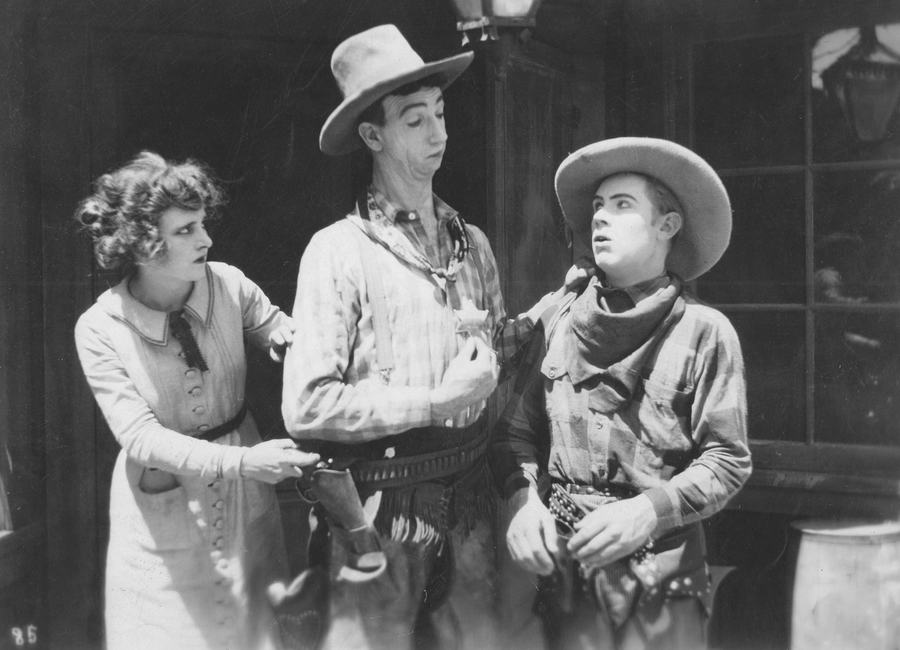
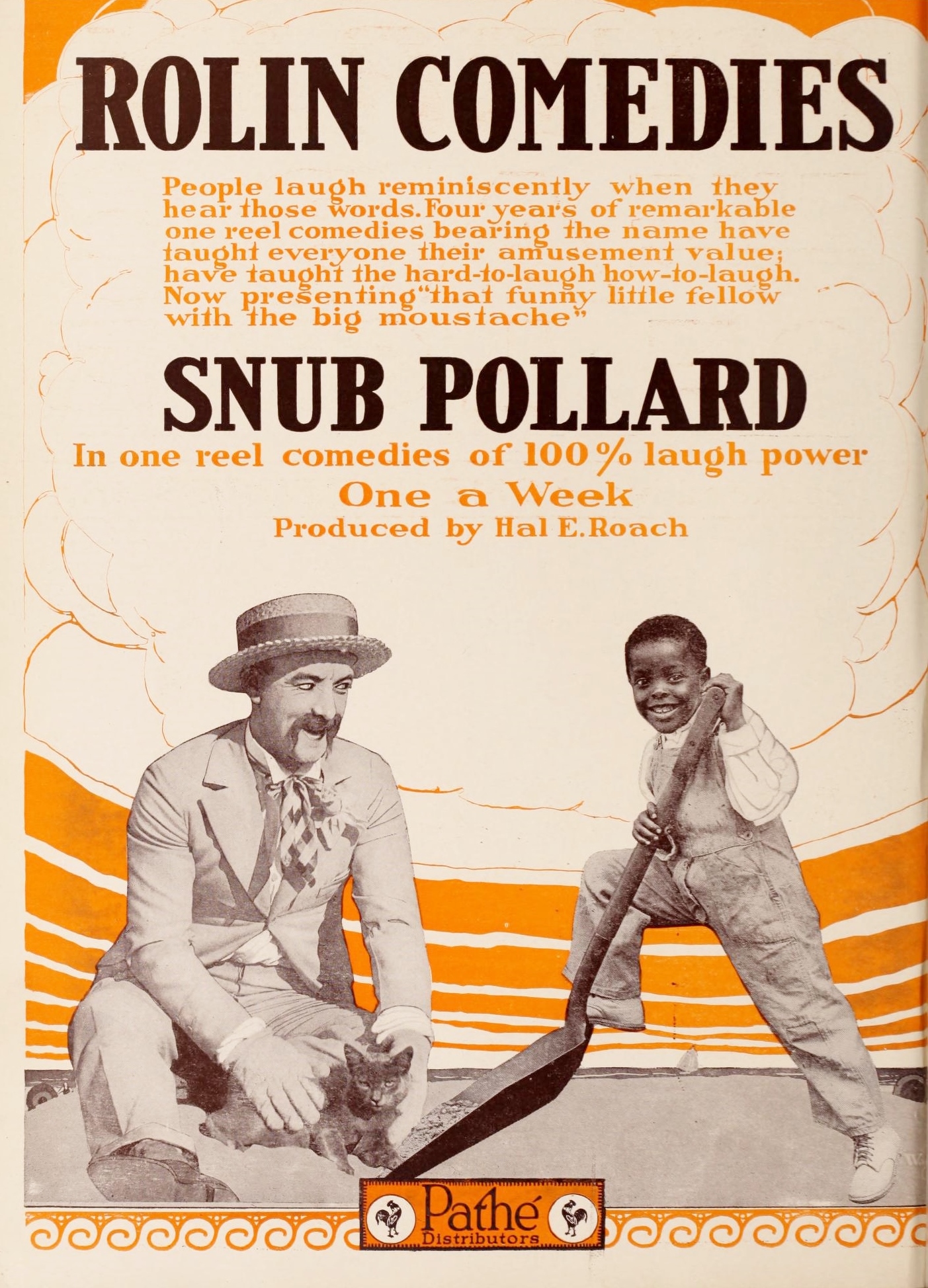
A dewy bride, veiled in tulle as fragile as moonlight, and her gangly groom—pocket-watch ticking like a panic attack—speed away from rice-throwing cousins toward a clapboard honeymoon cottage advertised as “picturesquely secluded.” The key, rusted and toothy, unlocks not romance but a fun-house of peeling wallpaper that exhales dust like sighs of the long-dead. Within minutes, a grand piano in the parlor erupts into a self-playing rag that staggers between off-key chords, its lid slamming like a jaw. Cut to the kitchen: the wedding cake levitates, icing sweating pearls, before it explodes into a blizzard of sugared confetti. Upstairs, a cedar wardrobe yawns open to reveal a stuttering lantern, a tailcoat dancing without torso, and a monocle winking in mid-air. The bride’s scream ricochets down a staircase that elongates, Escher-like, under the cinematographer’s warped lens. Meanwhile, the groom—Hughie Mack, all protruding knees and elastic facial contortions—charges about with a candelabrum as flimsy weaponry, colliding with ‘Snub’ Pollard’s bony frame; the two men ricochet through corridors wallpapered with staring eye motifs, their shadows multiplying like spilt ink. Ernest Morrison’s bellboy, ostensibly sent with champagne, moonwalks into a mirror that refuses his reflection, then exits backwards through a wall that seals seamless. Marie Mosquini appears in a series of jump-cuts—first as a portrait whose painted eyes bleed real tears, next as a figure in the garden whose veil is the mist itself—each apparition resetting the comic panic. The climax arrives when the couple, clinging like shipwrecked dancers, burst into the attic: a planetarium of floating wedding gifts—toast-rack, lace garters, a runaway gramophone—orbiting a four-poster bed that bucks like a mechanical bull. Thunder splits the roof; moonlight hoses down the chaos, revealing every “ghost” as a Rube Goldberg contraption of pulleys and phosphor-coated strings operated by a mischievous troupe of vaudeville squatters who’ve been living in the walls, staging haun-tings for honeymooners since McKinley’s era. Instead of outrage, the bride laughs—a silver cascade—inviting the squatters to share the wedding feast resurrected from debris. The final shot freezes on a communal banquet: ghosts, newlyweds, and celluloid specters passing biscuits through candle-flame, the boundary between prank and poltergeist dissolved in celluloid moon-dust.
The difficulties of a bride and bridegroom when they try to take their honeymoon in a "haunted" house.
Review Excerpt
"
A honeymoon cottage that snickers at the institution of marriage—Grab the Ghost is slapstick shot through with ectoplasmic surrealism.
Imagine if Buster Keaton’s deadpan met Freud’s uncanny in a darkroom where nitrate stock burns at the edges; that jittery marriage births this 1920 one-reeler. Clocking in at a breathless twelve minutes, the film nevertheless crams enough visual whiplash to make Méliès blink. It’s a contraption disguised as a narrative: every gag a spring-loaded mousetrap, every..."