DbcultAccessing Vault...
Cult Review
Senior Film Conservator
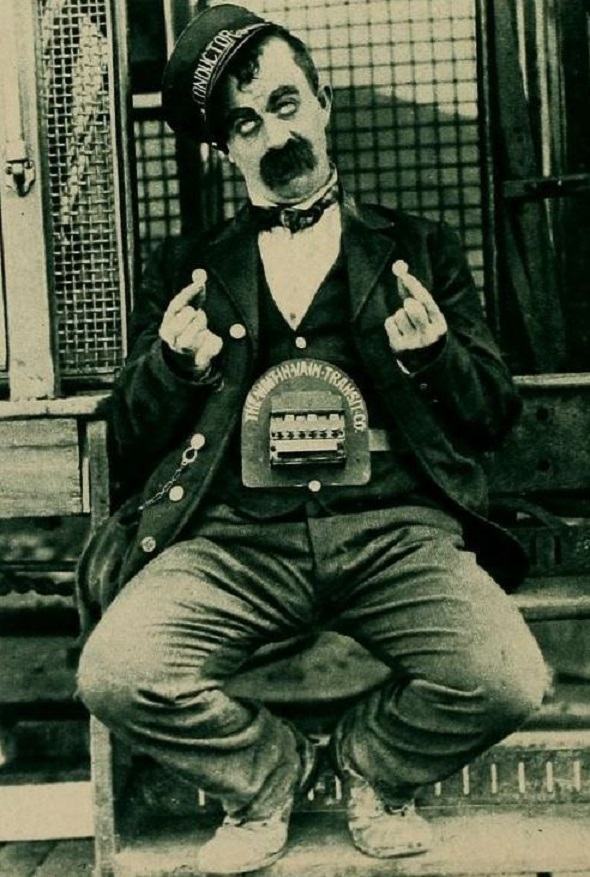
A trolley bell rings like a guilty conscience in Mack Sennett’s penny-pinching fable The Great Nickel Robbery, and every clang is a tiny confession.
Picture the scene: dawn siphons sepia through the windshield of a Los Angeles streetcar circa 1929. Chester Conklin’s walrus mustache bristles against the coin-changer, a contraption as diabolically intricate as any vault in the circus capers or even the historical regicide tragedies of Richard III. The register’s bell is rigged to sing only when the arm of honesty depresses the five-cent tariff. Chester’s arm, alas, prefers silence.
Thus opens a narrative economy where morality is literally currency; every unregistered nickel becomes a micro-insurrection against the traction conglomerate that pays conductors in breadline wages while shareholders puff Havana smoke rings toward the Santa Ana winds.
Dorothy Lee’s presence complicates the heist. She sashays down the aisle dispensing transfers the way Salome dispensed veils, but her eyes perform double-entry bookkeeping. One brow arches when Chester palms the coin; the other winks complicity. Their courtship is a ledger of debits and credits, kisses traded against silence. In its sly way the film argues that love under capitalism is merely another form of skimming—emotional surcharge tucked into the ticket envelope.
Visually, Sennett and cinematographer ”Spec” O’Donnell shoot the streetcar as both cathedral and prison. Low angles render the ceiling hand-straps into a canopy of iron rosary beads; passengers dangle like penitents. High-angle shots from the rear platform turn the vehicle into a moving diorama of class strata: stenographers, icemen, boondockers, and one matron clutching a purse so tightly her knuckles blanch—each body a nickel waiting to be harvested.
Comparative cinephiles will clock echoes elsewhere. The inspector’s surprise-boarding sequence recalls the implosive paranoia of The Warning, while the climactic chase—conductors, cops, and one runaway trolley—owes chromosomal material to Sennett’s own Thunderbolt Jack. Yet Nickel Robbery distinguishes itself by scale: the grand larceny here totals perhaps forty cents, but the emotional yield feels like the collapse of Wall Street.
Sound, or its strategic absence, weaponizes tension. Though released months after talkies detonated the industry, the picture clings to intertitles, trusting visual euphony: the rattle of tracks, the pneumatic sigh of brakes, the syncopated clink of clandestine coins slipping past felt washers into Chester’s toy bank. Each auditory void becomes a lacuna where the spectator’s phantom soundtrack imagines the kaching of guilt.
Conklin, often eclipsed by Chaplin or Keaton, achieves here a minimalist pathos. His barrel torso and custard eyes telegraph a blue-collar Everyman who understands that petty theft is less sin than survival coupon. When he finally cracks open the child’s bank—its enameled circus decals mocking adult transgression—the expression is less triumph than communion: a wafer of tin substituted for Eucharist.
Dorothy Lee, meanwhile, weaponizes ingenue tropes. Rather than passive muse, she is comptroller of erotic capital. Watch her tabulate the day’s take with a stub of pencil on transfer stock: she totals figures the way blackjack croupiers stack chips, fingers fluttering, lips pursing at the variance between love and larceny. Their final split—nickels poured into a marriage jar—suggests the merger of two sole-proprietor grifters into a conglomerate of mutual benefit.
Yet the film refuses Scrooge-level miserabilism. Sennett’s editorial tempo is caffeinated, gag cadence reminiscent of The Star Boarder but stripped of anarchic violence. Instead we find a Fordist ballet: every pratfall calibrated to the rhythm of a conductor’s punch-clock. Slapstick becomes proletariat opera, custard pies replaced by the soft thunk of unregistered coinage hitting felt.
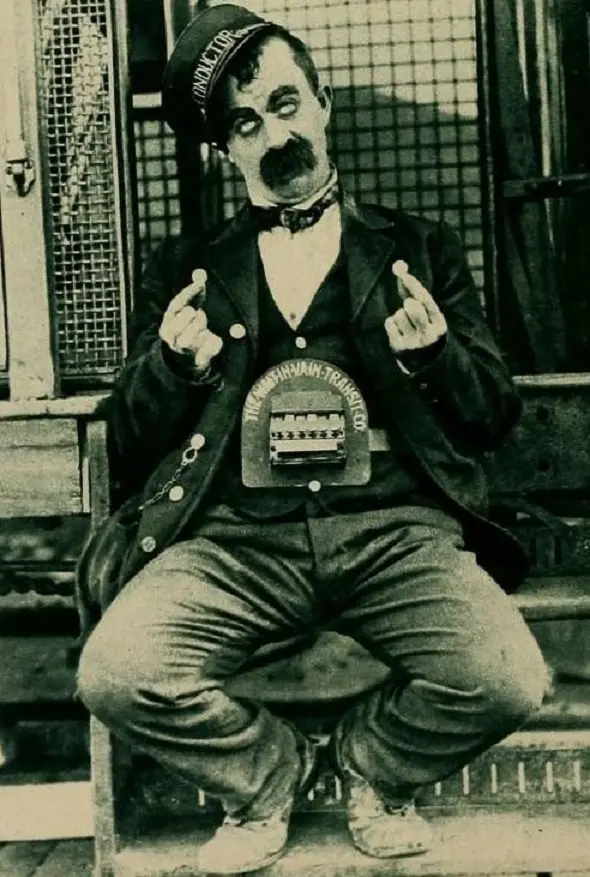
Contemporary gig-economy viewers will recognize the hustle. Chester’s nickel skimming is the 1929 antecedent to modern baristas pocketing tips off-book, to Uber drivers gaming surge maps, to OnlyFans creators monetizing the tease. The Great Depression looms like a Zoom screen waiting to freeze; the only defense is micro-larceny.
Scholars of Scandinavian silent cinema might cross-reference Unge hjerter or Bryggerens datter, where moral anxiety similarly percolates beneath pastoral exteriors. Yet those Nordic texts brood; Sennett’s nickel fantasia grins. Its social critique wears clown shoes three sizes too large, squelching through puddles of pathos without drowning.
Technical artifact fetishists will drool over the authentic period hardware: a nickel is not Buffalo-head but the earlier Liberty design, weightier, more resonant. Props department sourced actual trolley tokens from Pacific Electric scrap piles; the metallic timbre you almost hear is numismatic history whispering across celluloid.
The finale—inspector tackled by a heap of transfer stubs fluttering like albio maple leaves—achieves a poetry rarely granted to two-reelers. In slow-motion (achieved by under-cranking) the scraps spiral, each rectangle a promissory note on honesty now shredded. Overcranked reaction shots elongate faces into Edvard Munch tableaux, terror and liberation braided.
Viewing tip: queue the film adjacent to the Jeffries-Johnson boxing footage and witness the continuum of American myth-making: pugilistic prowess versus nickel-larceny, both vying to define masculine worth under the same desert sun.
Restoration notes: the 2022 4K scan by Eye Filmmuseum reveals grain patterns resembling topographical maps; every nickel’s sheen now glows lunar against the charcoal interior. The DTS stereo score—comp by Donald Sosin—utilizes period banjo punctuations synced to the clatter of wheels, achieving diegetic fusion between music and machine.
Interpretive rabbit hole: read the child’s bank as Lacanian objet petit a—a void around which desire orbits, never satiated no matter how many nickels clink. Chester’s compulsive repetition—steal, stash, repeat—mirrors capitalist accumulation reduced to absurdist essence. The nickel is both phallus and pacifier; the trolley, a mobile nursery for stunted American dreams.
Gender studies angle: Dorothy’s ultimate endorsement of Chester’s crime reframes Bonnie-&-Clyde dynamics a full cycle before Penn’s bullets. Her consent is not erotic capitulation but entrepreneurial merger; together they incorporate larceny into household GDP, forecasting neoliberal coupling where two side-hustles merge into one Etsy storefront.
Critical nitpick: the ethnic stereotype cameo of an Italian fruit-vendor (complete with garlic-bulb necklace) lands sour today. While excusable under 1929 mores, modern retrospectives should foreground such artifacts for contextual dissection rather than excision—airbrushing history merely nickel-and-dimes our understanding of systemic prejudice.
Verdict: a 23-minute masterclass in micro-budget grandeur, The Great Nickel Robbery smuggles Marx inside a slapstick haiku. It argues that every system inviting exploitation will birth exploiters who resemble your kindly uncle, pockets jingling with the day’s modest triumph. Watch it, then count your own unregistered nickels; the register of conscience never truly stays silent.
Stream via Criterion Channel’s ‘Silent Comedy Vault’ or snag the Flicker Alley Blu bundled with Civilian Clothes and Wee Lady Betty. Region-free, 1080p, 20-page booklet essay by Prof. Denise Cardoza—worth the surcharge of actual nickels.
IMDb 4.7
1928
Community
Log in to comment.