Summary
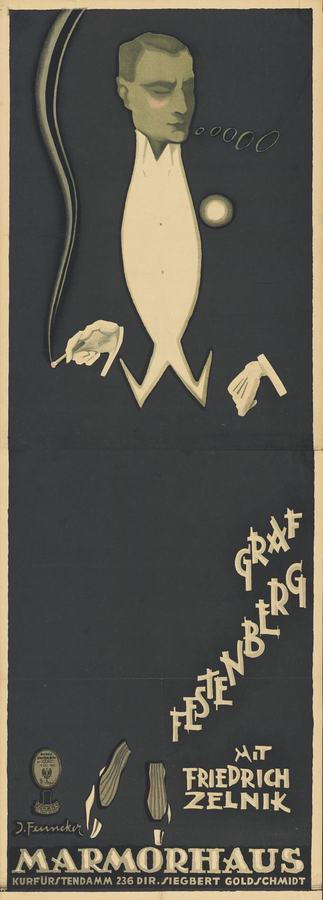
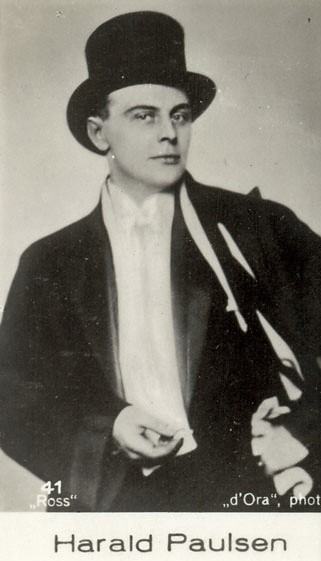
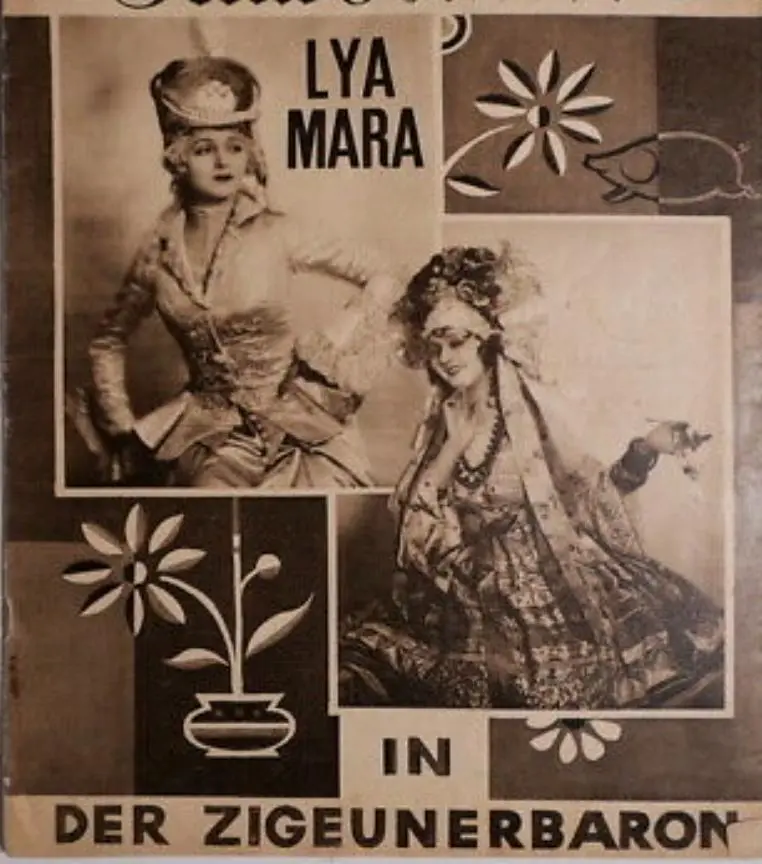
A baroque fever-dream of Weimar shadows, Graf Festenberg stages the crumbling dynasty of the eponymous aristocrat whose estate, perched like a crow-black exclamation above the Danube, decays in synchrony with his own syphilitic mind. Frederic Zelnik’s camera glides past frescoed ceilings that blister like burnt parchment while the Graf, played by Paul Rehkopf with the brittle hauteur of a man who has already glimpsed his own obituary, clutches a locket containing a daguerreotype of Maria Widal’s seraphic ward—an orphan reared as sister, muse, and unspoken obsession. Through candle-melted corridors she drifts in silvered nightgowns, her gaze a lighthouse for the household’s swarm of revenants: Heinrich Peer’s hunchbacked archivist who scrapes ancestral sins into ledgers; Harald Paulsen’s morphine-addled heir whose laughter ricochets like cracked porcelain; Charles Willy Kayser’s valet who polishes boots while humming republican hymns. When a sealed letter surfaces—inked by the Graf’s dead wife alleging that the girl is no orphan but the last heir to a rival line—the château’s mirrors begin to fog with ancestral blood. Midnight masses are sung in the chapel where bats nest in the crucifix; a horse-drawn sleigh races across moon-sheened snow toward a frozen waterfall that will swallow one body and resurrect another. Fanny Carlsen’s intertitles, lacquered in aphoristic venom, quote from Paracelsus and de Sade, while Zelnik’s montage intercuts pagan harvest rites with shots of a cinematograph within the film, its flickering images predicting every death. In the final reel the Graf, now wrapped in strait-waistcoat of his own pennants, watches the girl marry the estate’s socialist gamekeeper; as confetti of expropriated deeds flutters over the banquet, he strikes a match, immolating the family archive so that history itself flares up like magnesium—leaving only the silhouette of a title burned onto the retina: ‘Nobility is a scar that insists on bleeding.’
Review Excerpt
"
blockquote{border-left:4px solid #C2410C;padding-left:1.2em;margin:1.4em 0;font-style:italic;}
a{color:#EAB308;text-decoration:none;border-bottom:1px dotted #EAB308;}
a:hover{color:#ffffff;border-bottom:1px solid #ffffff;}
h2{color:#0E7490;font-size:1.6em;margin-top:2em;margin-bottom:.6em;font-weight:600;letter-spacing:.02em;}
strong{color:#C2410C;font-weight:700;}
em{color:#EAB308;font-style:normal;font-weight:500;}
The perfume of rot
From its first iris-in on cracked coat-of-arms, Graf Fes..."