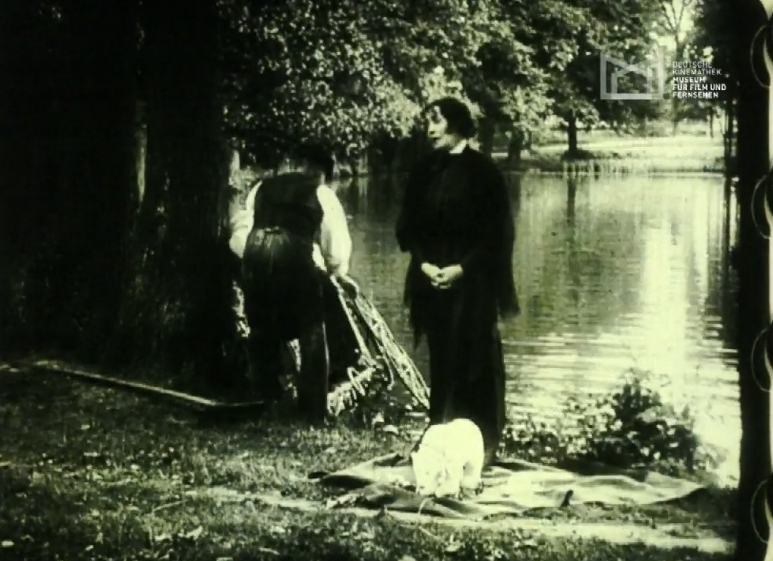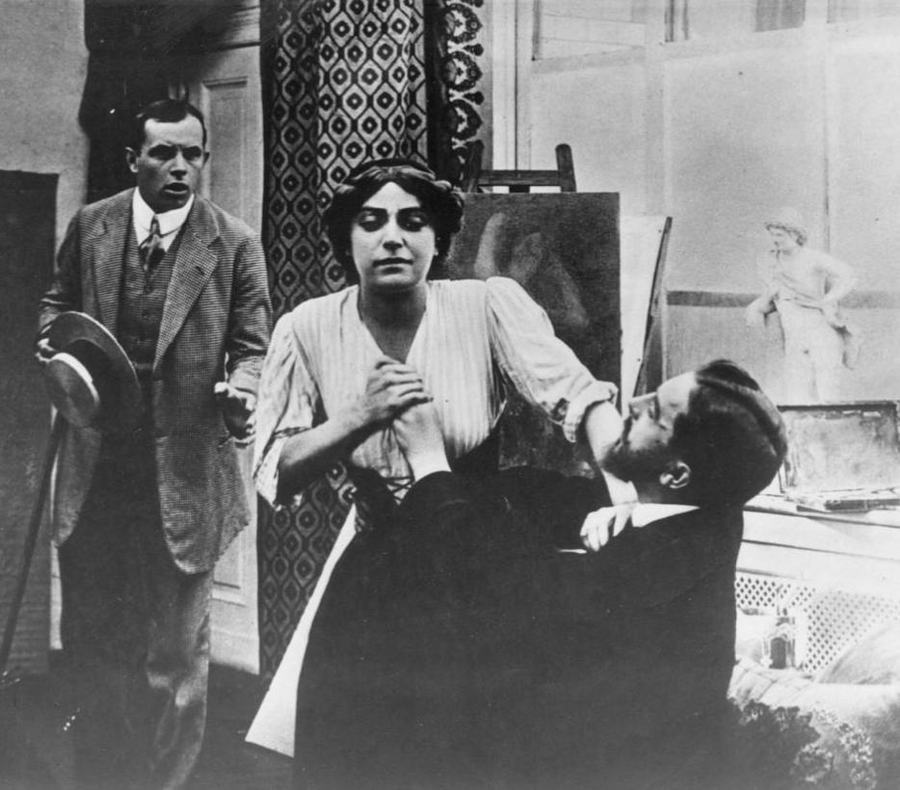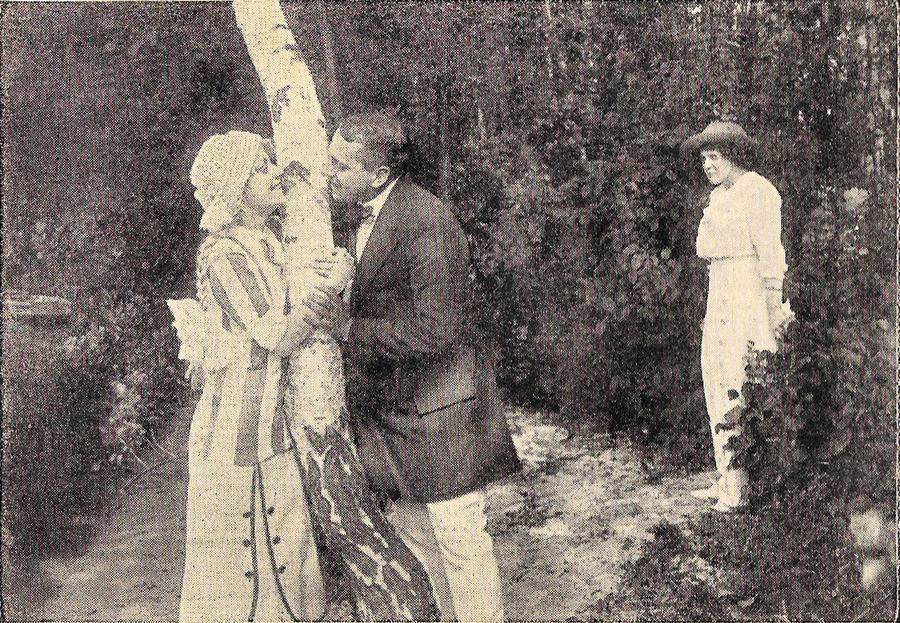
Kind-hearted Thekla helps her frivolous brother and hides him on a remote farm..
Germany
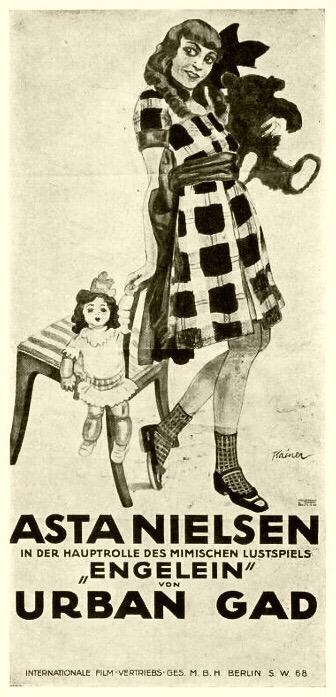
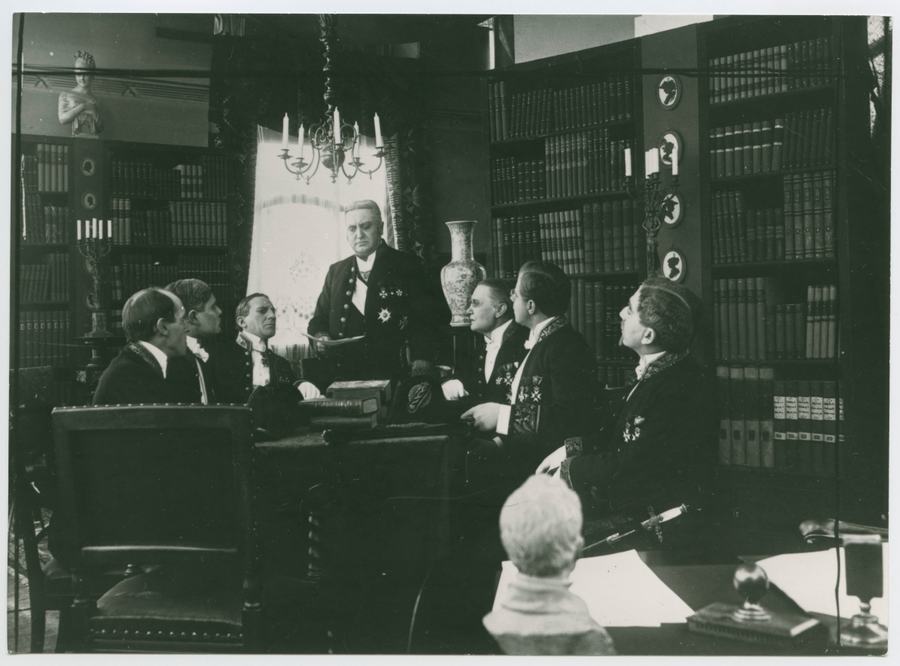
Asta Nielsen tilts her chin exactly three millimetres and the whole aristocracy of Europe wobbles. That micro-gesture arrives early in The General’s Children, a 1914 Danish one-reeler that most historians file under "misplaced" but which feels—as of tonight—like the missing hinge between Oliver Twist and The Redemptio...
still_frame

Comparing the cinematic DNA and archive impact of two defining moments in cult history.
Urban Gad
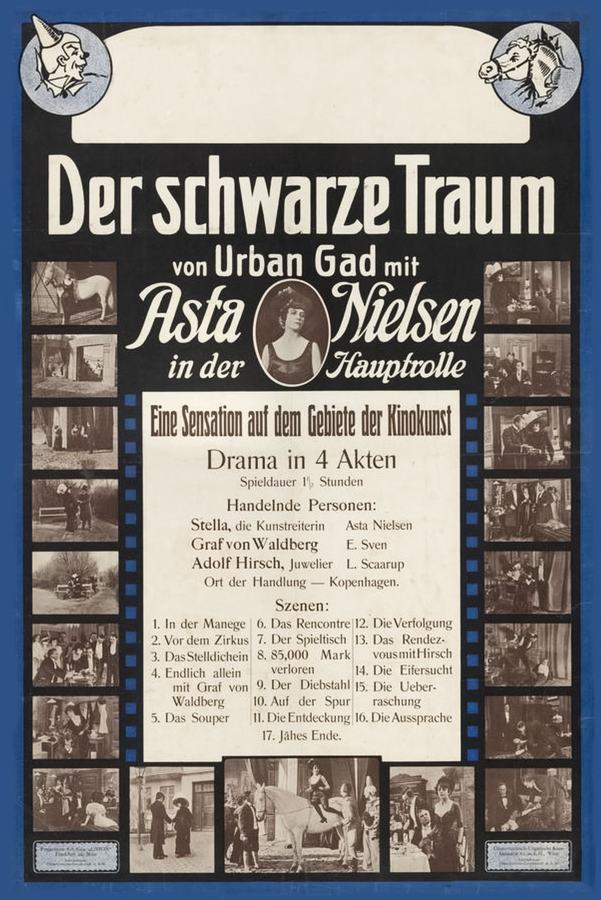
Urban Gad
Community
Log in to comment.
" Asta Nielsen tilts her chin exactly three millimetres and the whole aristocracy of Europe wobbles. That micro-gesture arrives early in The General’s Children, a 1914 Danish one-reeler that most historians file under "misplaced" but which feels—as of tonight—like the missing hinge between Oliver Twist and The Redemption of White Hawk. Nielsen plays Thekla von Rabe, a name that clinks like porcelain in a soldier’s knapsack. Her father, a general whose sidewhiskers drip with imperial wax, has groo..."

Deep dive into the cult classic
Discover similar cinematic experiences
A Directorial Spotlight on Urban Gad