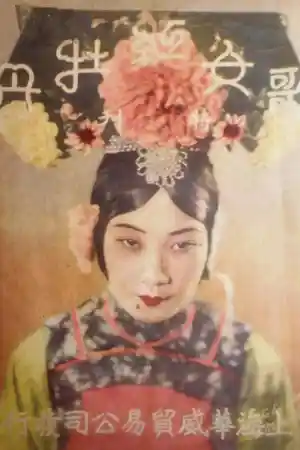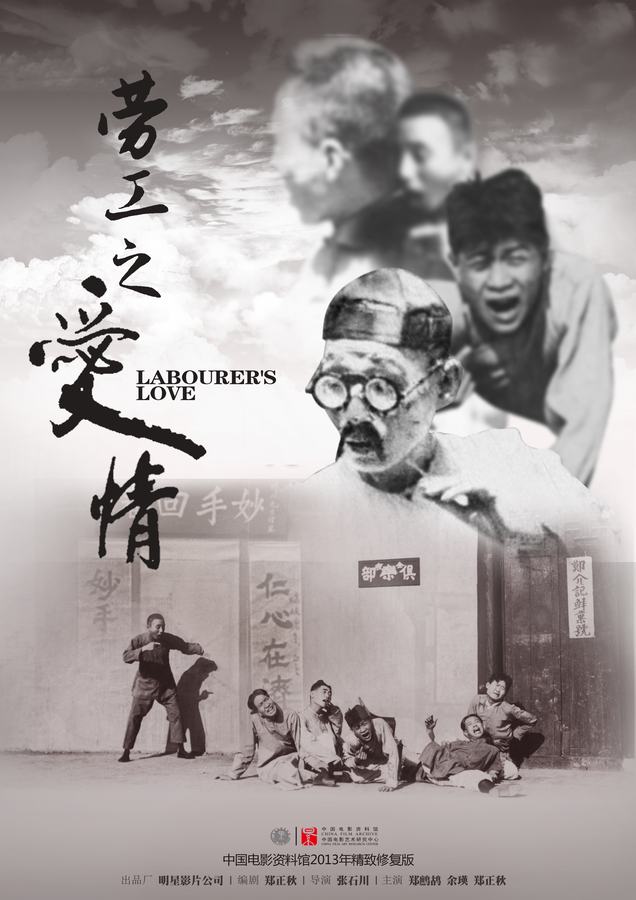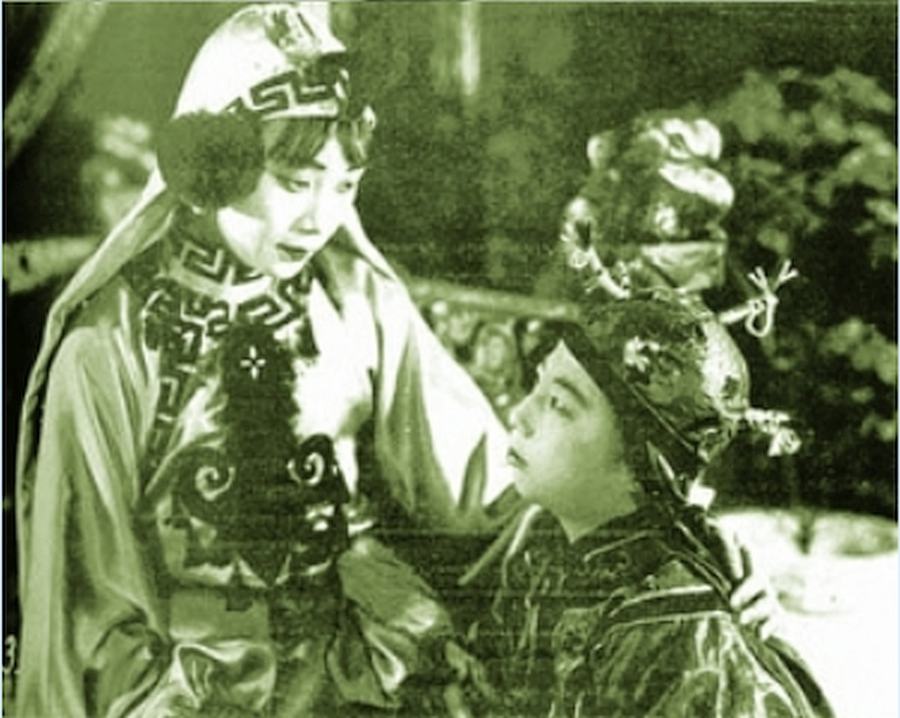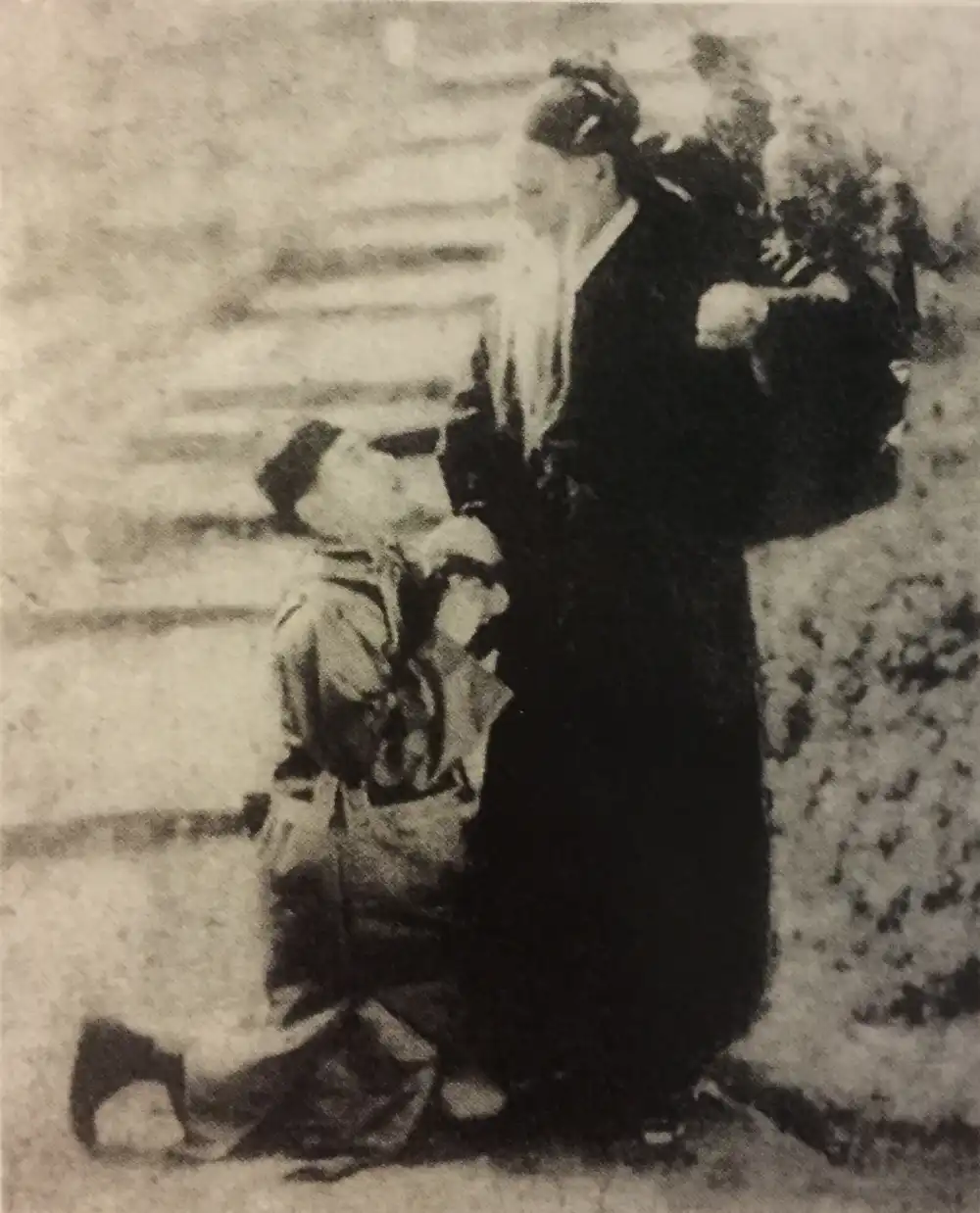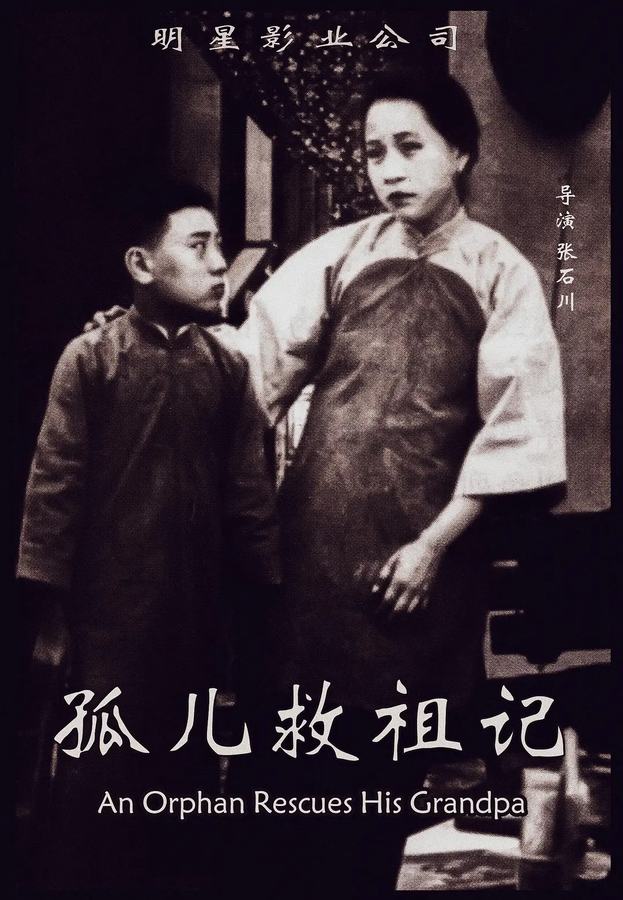
A Kaleidoscope of Memory and Power From the opening frame, Guer jiu zu ji immerses the viewer in a chiaroscuro world where neon flickers against soot‑stained brick, a visual metaphor for the film’s central tension between illumination and obscurity. The director’s choice to shoot predominantly in low‑key lighting ...
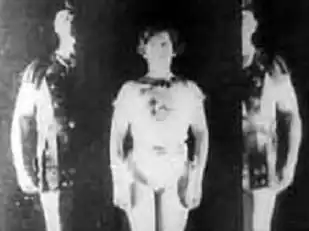
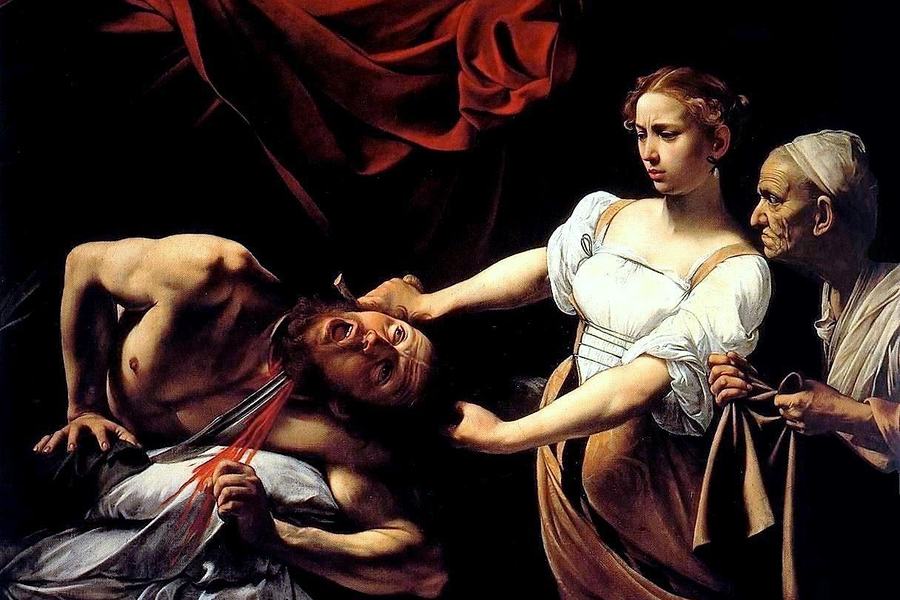
Comparing the cinematic DNA and archive impact of two defining moments in cult history.
Shichuan Zhang
Dallas M. Fitzgerald
Community
Log in to comment.
" A Kaleidoscope of Memory and Power From the opening frame, Guer jiu zu ji immerses the viewer in a chiaroscuro world where neon flickers against soot‑stained brick, a visual metaphor for the film’s central tension between illumination and obscurity. The director’s choice to shoot predominantly in low‑key lighting not only pays homage to classic noir aesthetics but also reinforces the narrative’s preoccupation with hidden archives and suppressed histories. This atmospheric decision is remini..."
Gongyuan Cheng
Zhengqiu Zheng
China
Deep dive into the cult classic
Discover similar cinematic experiences
A Directorial Spotlight on Shichuan Zhang