Summary
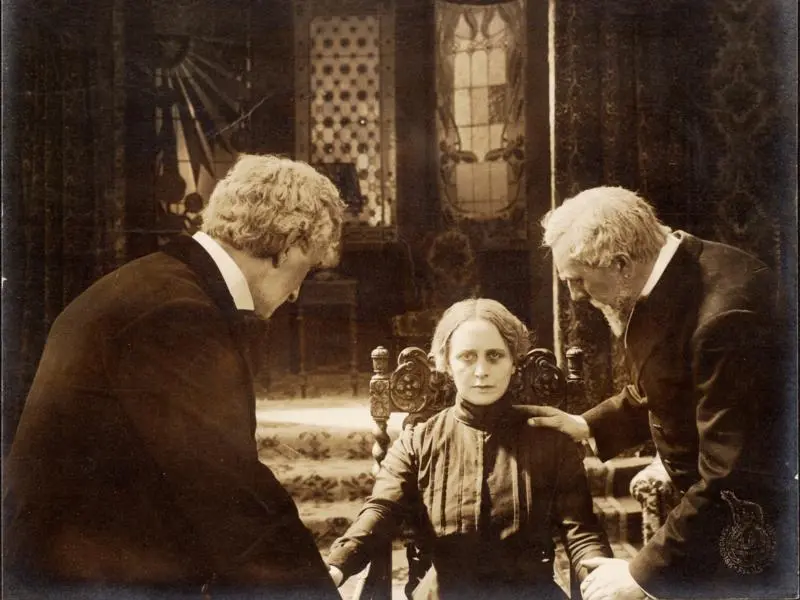
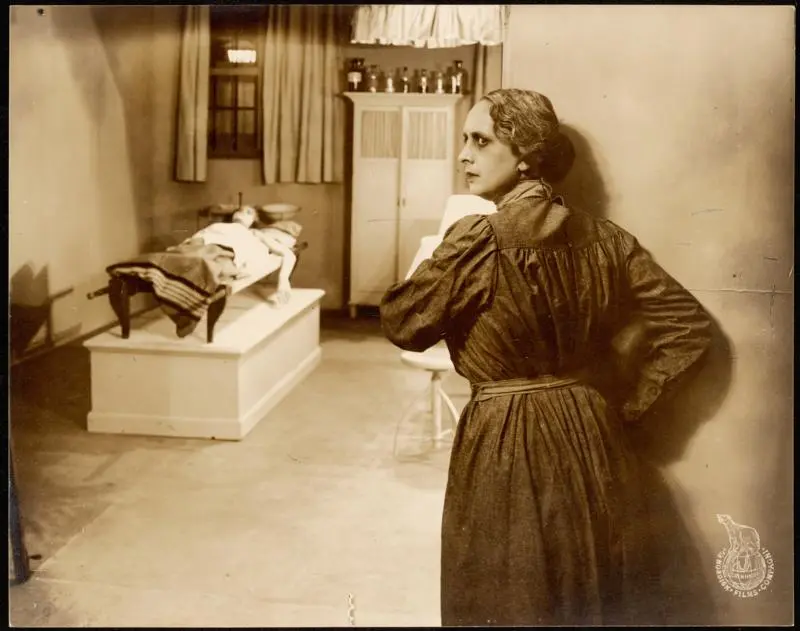
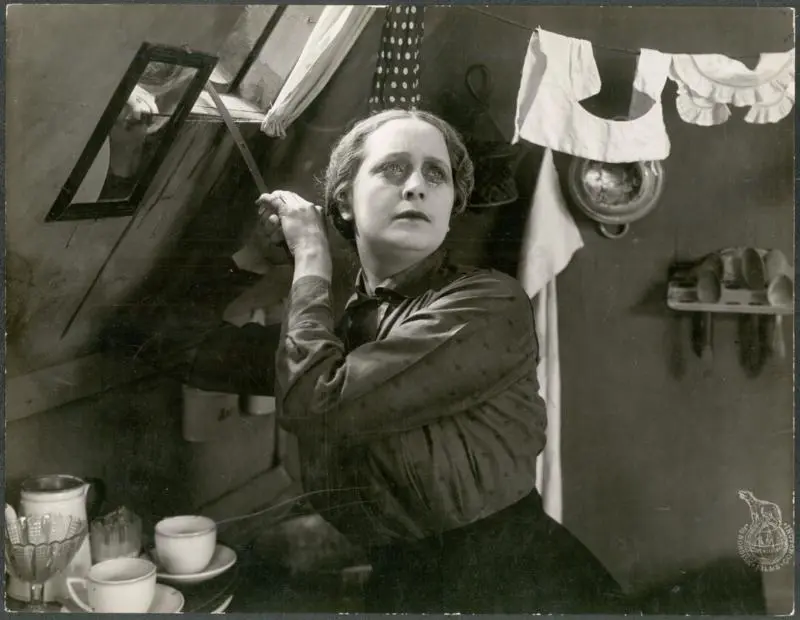
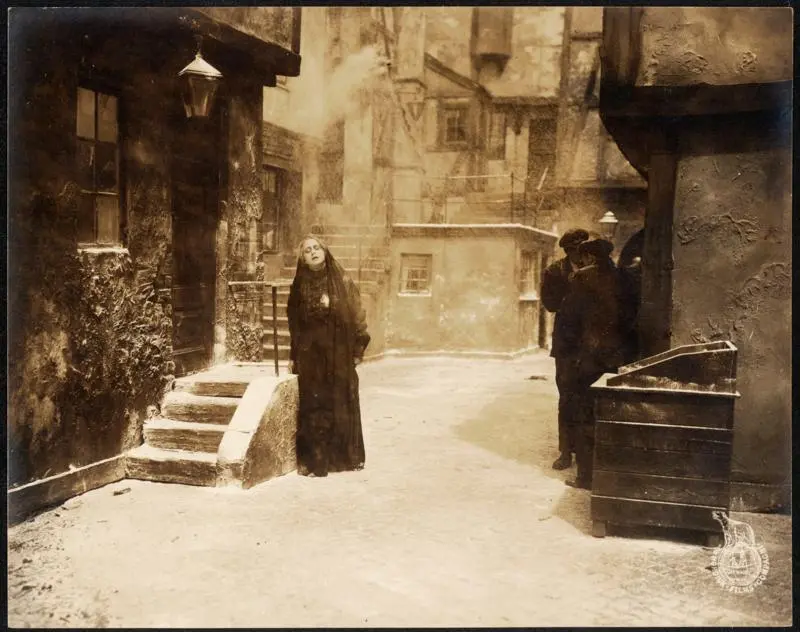
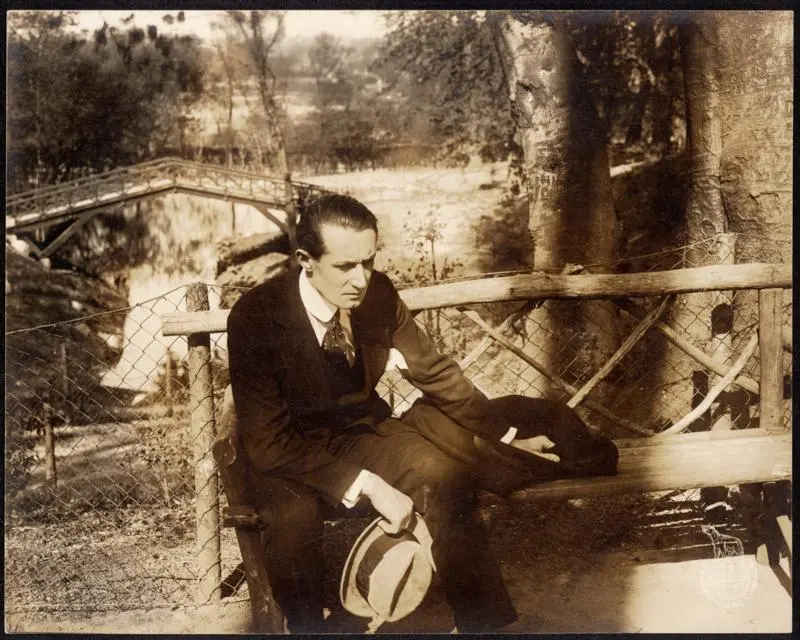
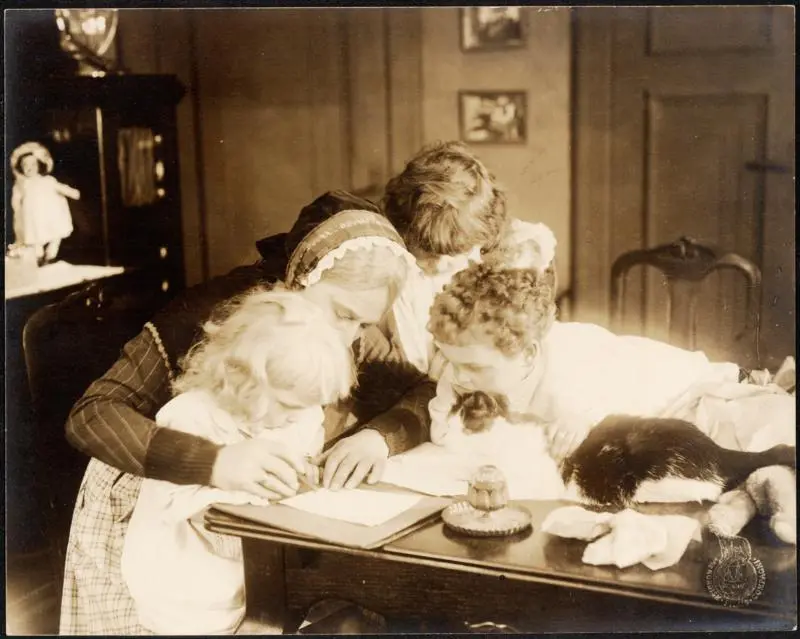
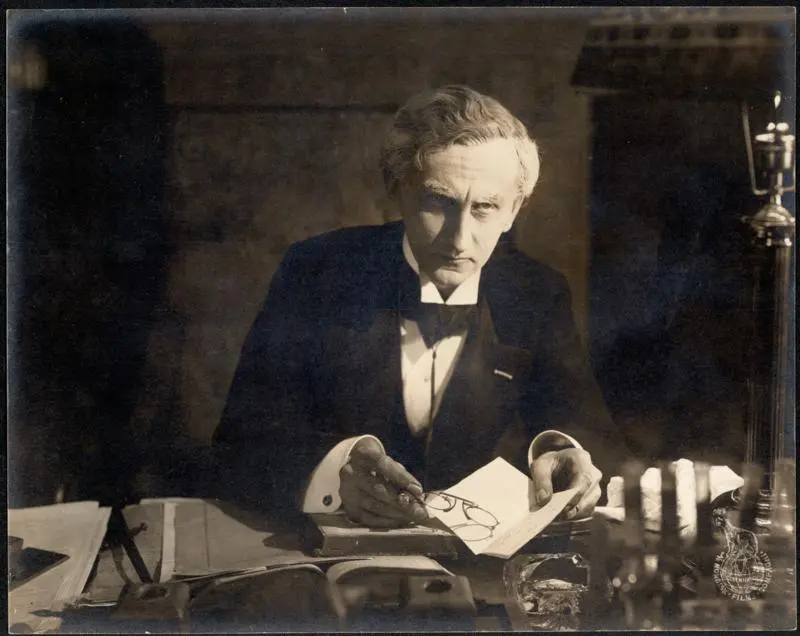
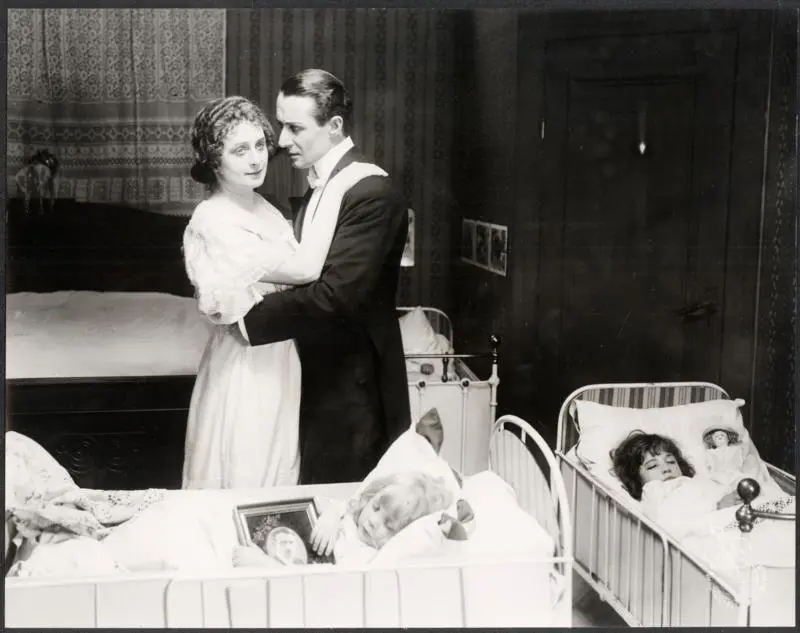
A Copenhagen dawn, cold as pewter, watches Poul Berg—once the buoyant patriarch of a modest bourgeois hearth—sign his name to a glittering chimera: an investment prospectus inked with phantom dividends. The ledger’s black blood soon clots; creditors sprout like mold on the wainscot, whispering foreclosure through keyholes. Poul’s smile calcifies into a rictus of arithmetic despair; each cancelled debt becomes a vertebra snapped from his spine. One winter evening, beneath the gas-jets’ jaundiced halos, he climbs to the attic, knots a rope to the rafters, and stages his own final audit—body swinging above trunks of children’s outgrown clothes. The camera does not flinch: the creak of hemp is the only requiem. Downstairs, Ketty Berg’s tea grows cold while the clock chews seconds. Widowhood arrives wearing the face of a landlord, clutching a sealed envelope of arrears. She sells the grand piano, then the heirlooms, then her wedding ring, yet the hole Poul tore in the family fabric gapes wider than any coffin. Their three children—eyes luminous with unspoken blame—become chess pieces moved by charity: the eldest son to a dockside doss-house, the daughter to a seamstress’s sweatshop, the youngest to a provincial aunt who measures love by the teaspoon. Ketty, gaunt in crepe, trudges through Copenhagen’s merciless streets seeking work that never quite covers the price of bread and grief. In the film’s bravura central passage, she queues outside a shirt factory at dawn, only to be told the position vanished at cockcrow; the camera cranes up to reveal a phalanx of identically hatted women—an endless human conveyor belt—then tilts down to Ketty’s cracked boots dissolving in slush. Nights, she returns to rooms where wallpaper peels like sunburned skin, listening for Poul’s phantom footfall. Instead she hears the landlord’s knock, the children’s stomachs growling, her own heart hammering a Morse code of guilt: survive, survive, survive. Salvation, when it surfaces, is ashen: a cousin offers a mildewed attic, a Lutheran charity doles out porridge in exchange for hymns, a widowed greengrocer proposes marriage sans love but with pantry keys. Ketty bargains away the last relics of dignity—a silver locket, Poul’s gold watch-chain—yet each dawn still greets her like an unpaid bill. The film’s final movement is a staccato montage: Ketty’s hands stitching sailor collars by candle, her daughter fainting from anemia, the youngest boy carving Poul’s initials into frost on the windowpane. When spring finally unclenches the earth, Ketty stands at Poul’s unmarked grave, skirts whipping like surrender flags, and whispers the title’s question not as philosophy but as invoice: have I the right to take my own life? The camera retreats until she is a punctuation mark against an ocean of grass—an infinitesimal comma between two clauses of relentless living. No answer is offered; only the wind inventories the cost of staying alive, and the iris closes on a world that keeps its accounts in tears.
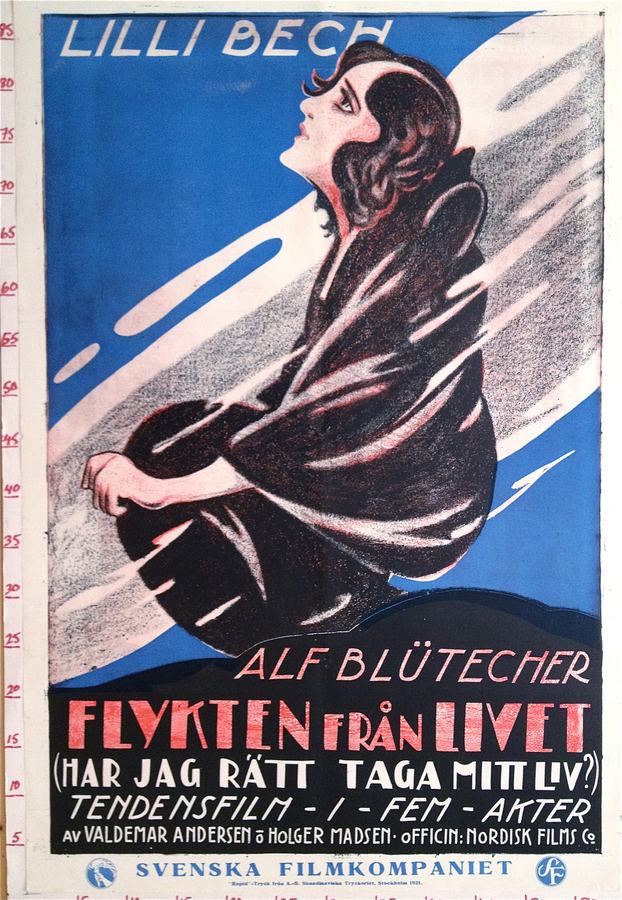
Family father Poul Berg is tempted by a dubious investment offer and retaliates so deeply that he takes his own life. His widow Ketty struggles to keep the family afloat.
Review Excerpt
"
Cinema’s first quarter-century abounds with flappers, slapstick anarchists, and epic Intolerance, yet Danish auteur Holger-Madsen hurls a grenade of icy realism into the gilt auditorium with Har jeg Ret til at tage mit eget Liv?—a title that lunges off the intertitle card and fastens its fingers around the viewer’s larynx. The film, literally Do I Have the Right to Take My Own Life?, refuses the moral grandstanding of later suicide melodramas; instead it documents the slow fiscal asphyxiation o..."