DbcultAccessing Vault...
6.2/10
Senior Film Conservator
A definitive 6.2/10 rating for a film that redefined the boundaries of cult cinema. The Cricket on the Hearth remains a cornerstone of transgressive art.
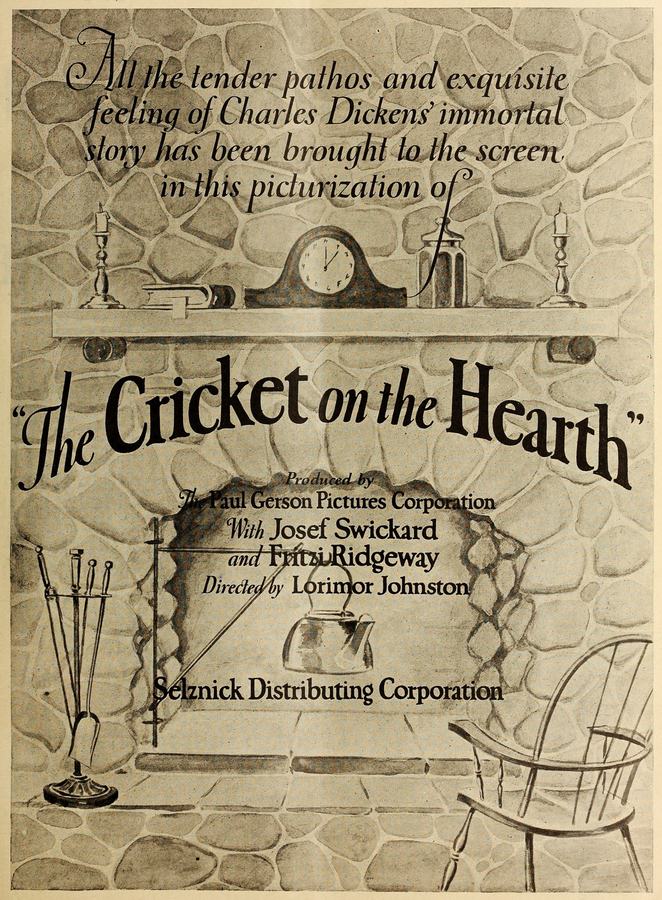
The 1923 adaptation of The Cricket on the Hearth, directed by Lorimer Johnston, transcends the mere translation of ink to celluloid. It captures a specific, ephemeral quality of Charles Dickens’ prose that many modern iterations fail to grasp: the intersection of the macabre and the sentimental. In this silent rendition, the visual language becomes the primary conduit for a narrative rooted in the discrepancy between perception and reality. Josef Swickard delivers a performance of profound vulnerability as Caleb Plummer, a man whose life is a relentless performance of optimism aimed at preserving the innocence of his blind daughter, Bertha, played with ethereal grace by Virginia Brown Faire.
Caleb’s mendacity is not born of malice but of a desperate, eleemosynary love. He describes their dilapidated hovel as a palace and his own tattered rags as the finery of a nobleman. This psychological landscape is rendered through soft-focus cinematography that mirrors Bertha’s internal world—a world where the harsh edges of the industrial revolution are blunted by her father’s voice. Unlike the stark realism found in The Cheat (1915), which utilizes lighting to expose moral decay, Johnston’s film uses shadow to provide a protective cocoon for its protagonists.
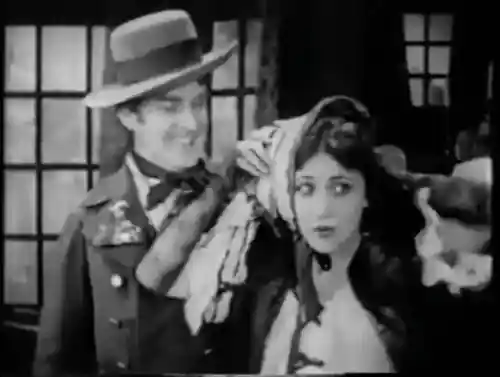
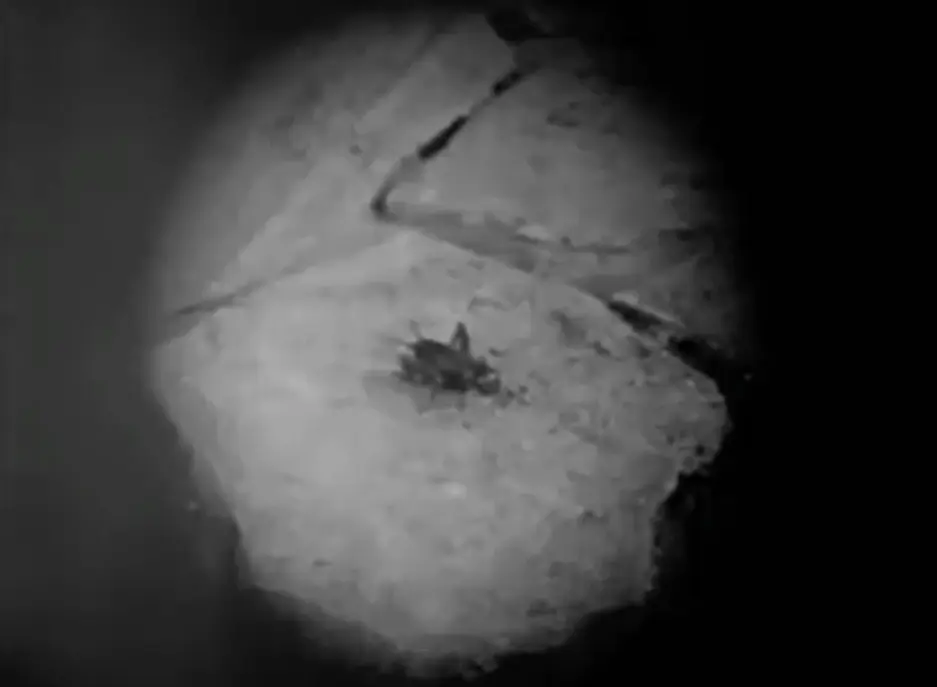
The secondary plot involving the Peerybingles—John (Paul Gerson) and Dot (Margaret Landis)—introduces a tension that borders on the Hitchcockian. When a mysterious stranger enters their home, the domestic peace is threatened by suspicions of infidelity and the weight of unspoken secrets. The titular cricket, a creature of folklore and omen, acts as the silent observer of these human follies. It is a fascinating directorial choice; the cricket is not merely a prop but a rhythmic device, its presence signaling a shift from the quotidian to the providential.
While films like Morals explore the rigid social structures of the era, The Cricket on the Hearth focuses on the sanctity of the private sphere. The cottage is a microcosm of a world in transition, where the ancient superstitions of the 'lucky cricket' collide with the modern anxieties of mortgages and property rights. The threat of homelessness is a recurring Dickensian specter, and here it is personified in the looming financial ruin that threatens to incinerate the Plummers' fragile happiness even before the literal fire breaks out.
The performances in this 1923 gem possess a restraint often absent in the broader melodramas of the time, such as Skid Proof. Margaret Landis, as Dot, utilizes a nuanced gestural vocabulary that conveys a depth of anxiety and devotion without the need for hyperbolic title cards. Her chemistry with Paul Gerson provides the film’s moral anchor, grounding the more fantastical elements of the plot in a recognizable human intimacy. The rivalry over May Fielding (Fritzi Ridgeway) adds a layer of traditional romance, yet it is the familial bond between Caleb and Bertha that remains the emotional epicenter.
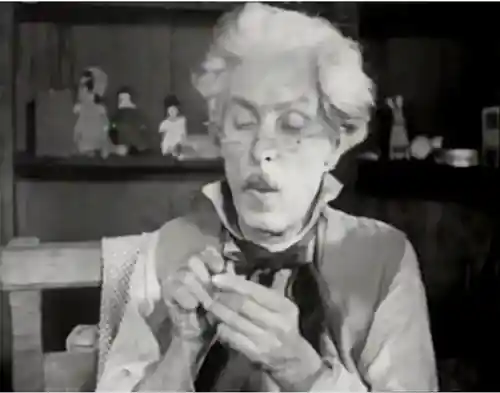
There is a sequence involving the 'imaginary' luxury of their home that is particularly heartbreaking. As Caleb describes the intricate patterns of a non-existent wallpaper, the camera lingers on his weathered face, capturing the exhaustion of a man who must reinvent the world every morning. This thematic exploration of 'seeing' versus 'knowing' elevates the film above standard period fare like Gretna Green, pushing it into the realm of philosophical inquiry regarding the nature of truth and the necessity of illusion.
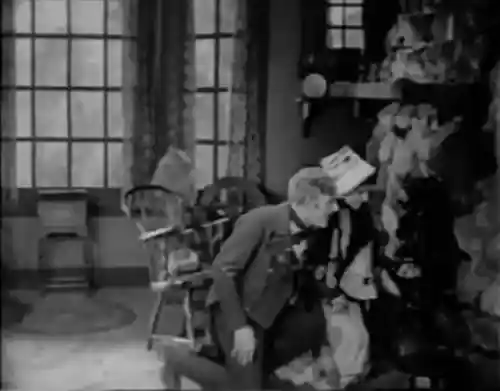
The technical execution of the fire sequence is a marvel of early 1920s practical effects. The flickering orange hues (tinted in original prints) create a visceral sense of peril that contrasts sharply with the earlier, cool-toned domestic scenes. The fire is not just a plot device; it is a purgative force, stripping away the deceptions Caleb has built and forcing the characters to confront their reality in the harsh light of the morning. It carries a weight similar to the existential crises found in Har jeg Ret til at tage mit eget Liv?, where the characters are pushed to the brink of despair before finding a path to redemption.
The editing by Caroline Frances Cooke—who also co-wrote the screenplay—is remarkably modern. The cross-cutting between the encroaching flames and the desperate attempts to save the blind Bertha creates a propulsive energy that belies the film’s age. It lacks the frantic, almost chaotic pacing of Arsene Lupin, opting instead for a slow-burn tension that rewards the patient viewer. Every frame is composed with an eye toward the chiaroscuro, highlighting the dichotomy between the warmth of the hearth and the coldness of the world outside.
When comparing this work to other contemporary releases like What Do Men Want?, one notices a distinct lack of cynicism. The Cricket on the Hearth is unashamedly sentimental, yet it avoids the saccharine traps of less sophisticated adaptations. It shares a certain thematic DNA with Filling His Own Shoes in its depiction of the working man’s struggle for dignity, but it operates on a much more mythological plane. The cricket is the 'genius loci' of the home, a protective spirit that bridges the gap between the mundane and the divine.
The film’s exploration of disability, through Bertha’s character, is surprisingly progressive for 1923. She is not merely an object of pity but a character with her own agency and internal life. Her realization of her father’s deception is handled with a sensitivity that rivals the character studies in Fanny or the complex social dynamics of Niniche. It is a testament to Virginia Brown Faire’s talent that she conveys the shattering of her world through subtle shifts in expression rather than grand theatrical gestures.
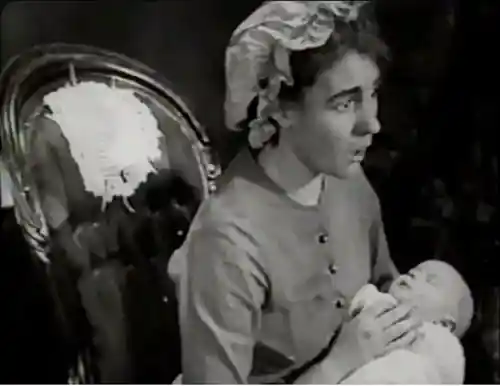
As we analyze the final act, where the mortgage is settled and the lovers are reunited, one might be tempted to dismiss the resolution as overly convenient. However, within the logic of the Dickensian universe, these resolutions are a moral necessity. The 'luck' provided by the cricket is earned through the characters' steadfastness and their refusal to succumb to bitterness. Unlike the more whimsical The Love Charm or the legalistic maneuvering of See My Lawyer, this film posits that the hearth is a sacred space that must be defended at all costs.
The 1923 The Cricket on the Hearth remains a vital piece of cinematic history because it understands the power of the small moment. It is in the way Caleb touches a toy horse, or the way Dot looks at her husband when she thinks he isn't watching, that the film finds its soul. It is a masterclass in atmospheric storytelling, proving that even in the absence of sound, the 'chirp' of a lucky cricket can be heard loud and clear by those who believe in the redemptive power of the home. It stands alongside classics like John Petticoats as a celebration of the common man’s nobility, wrapped in the shimmering, silver-nitrate dream of the silent era.
In the final analysis, Lorimer Johnston and his cast have created a work that is both a period piece and a timeless meditation on the stories we tell ourselves to survive. It is a film that demands to be seen not just as a historical curiosity, but as a living, breathing piece of art that continues to resonate with anyone who has ever sought refuge from the cold in the warmth of a flickering fire.
IMDb —
1923
Community
Log in to comment.