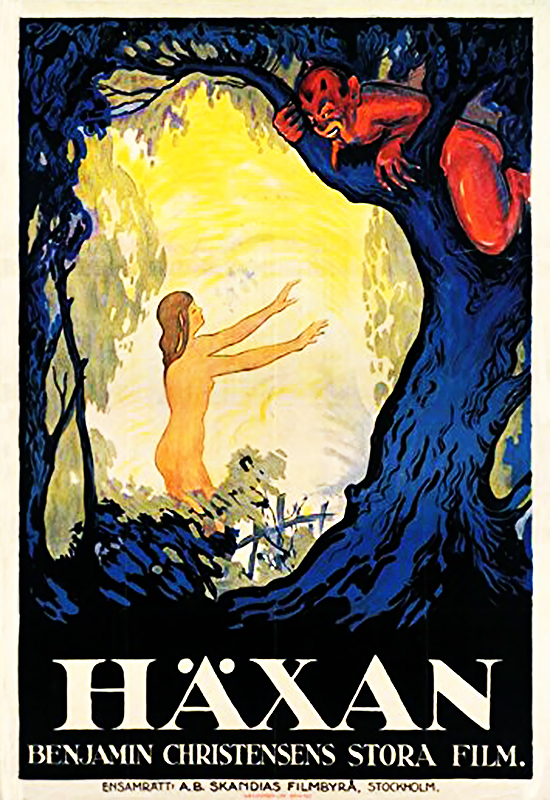
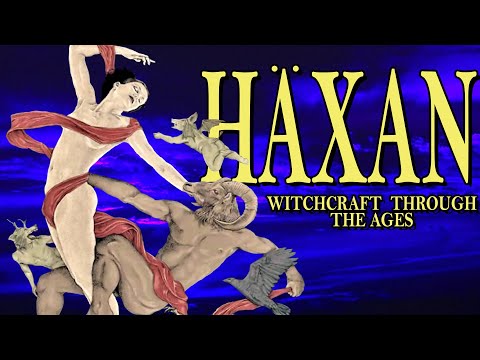
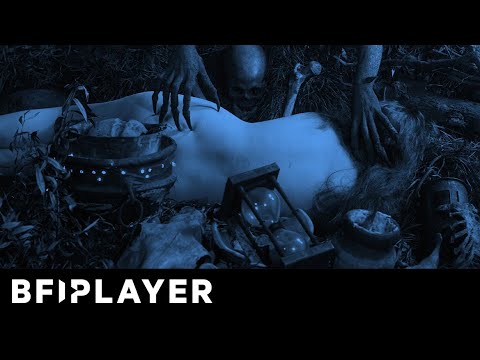
Fictionalized documentary showing the evolution of witchcraft, from its pagan roots to its confusion with hysteria in Eastern Europe..
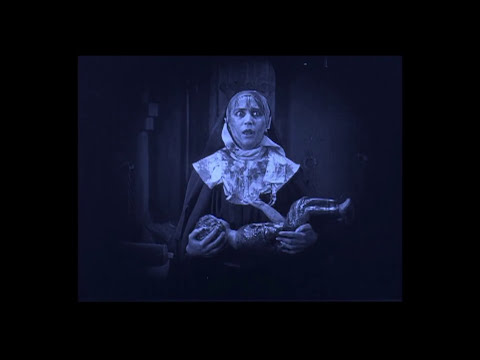
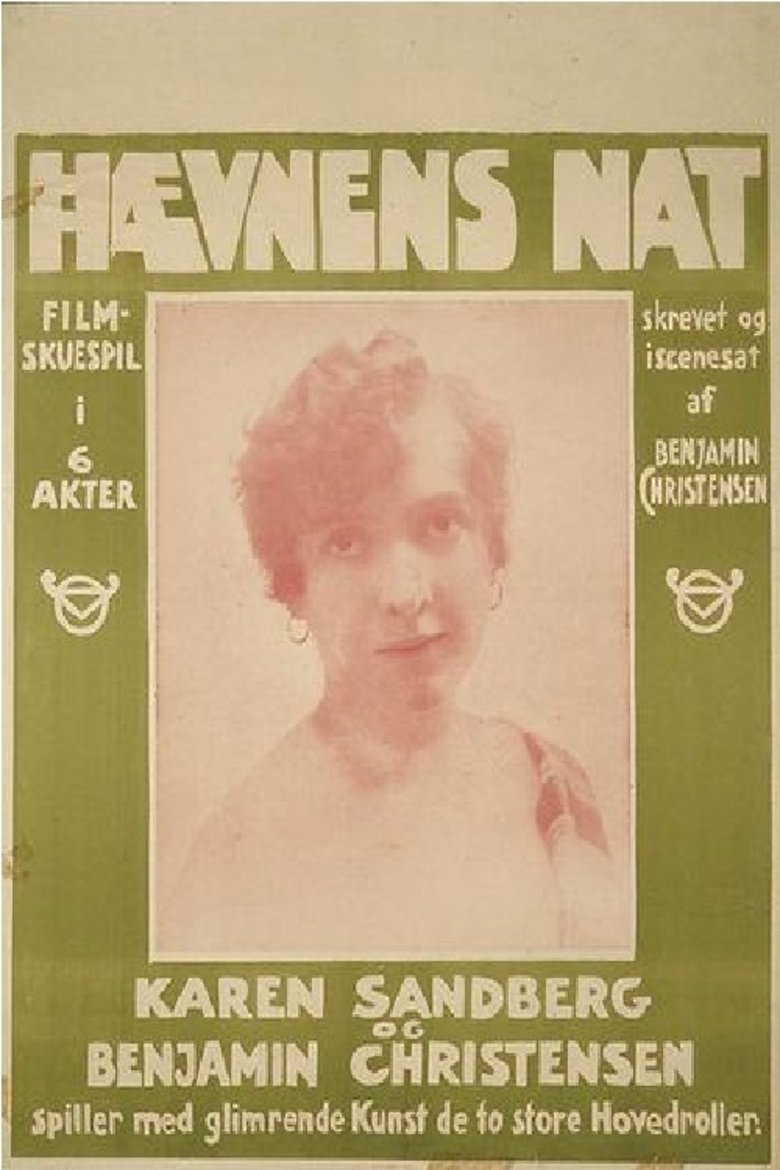
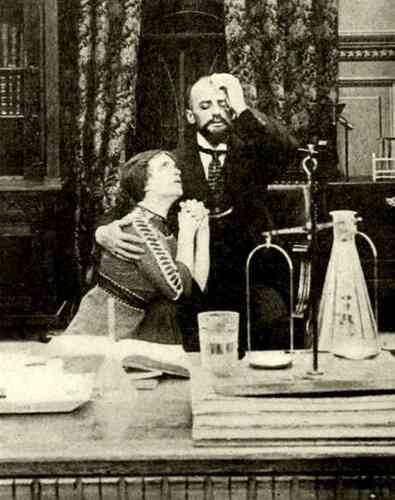
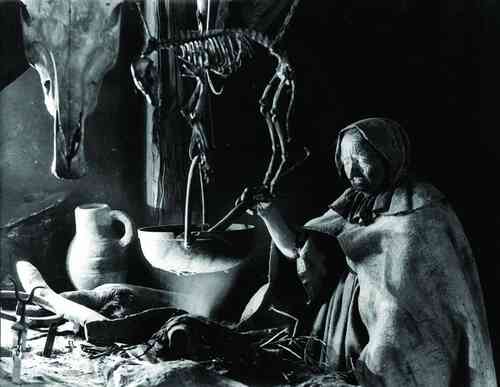
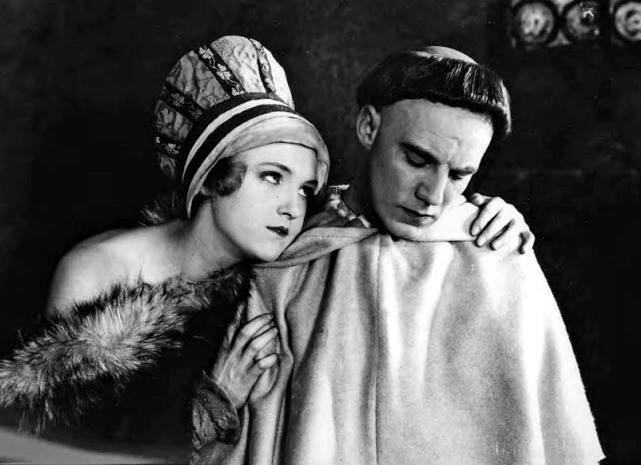
Stepping into the spectral embrace of Benjamin Christensen's 1922 masterpiece, "Häxan" (often translated as "The Witches"), is not merely to watch a film; it is to embark upon a meticulously curated, yet profoundly unsettling, journey through the labyrinthine corridors of human fear, superstition, and the...
Comparing the cinematic DNA and archive impact of two defining moments in cult history.
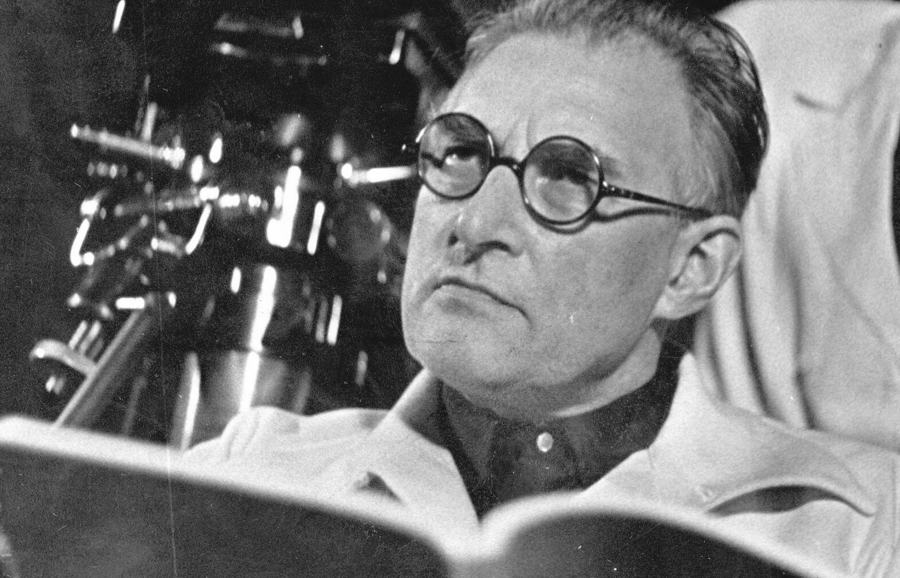
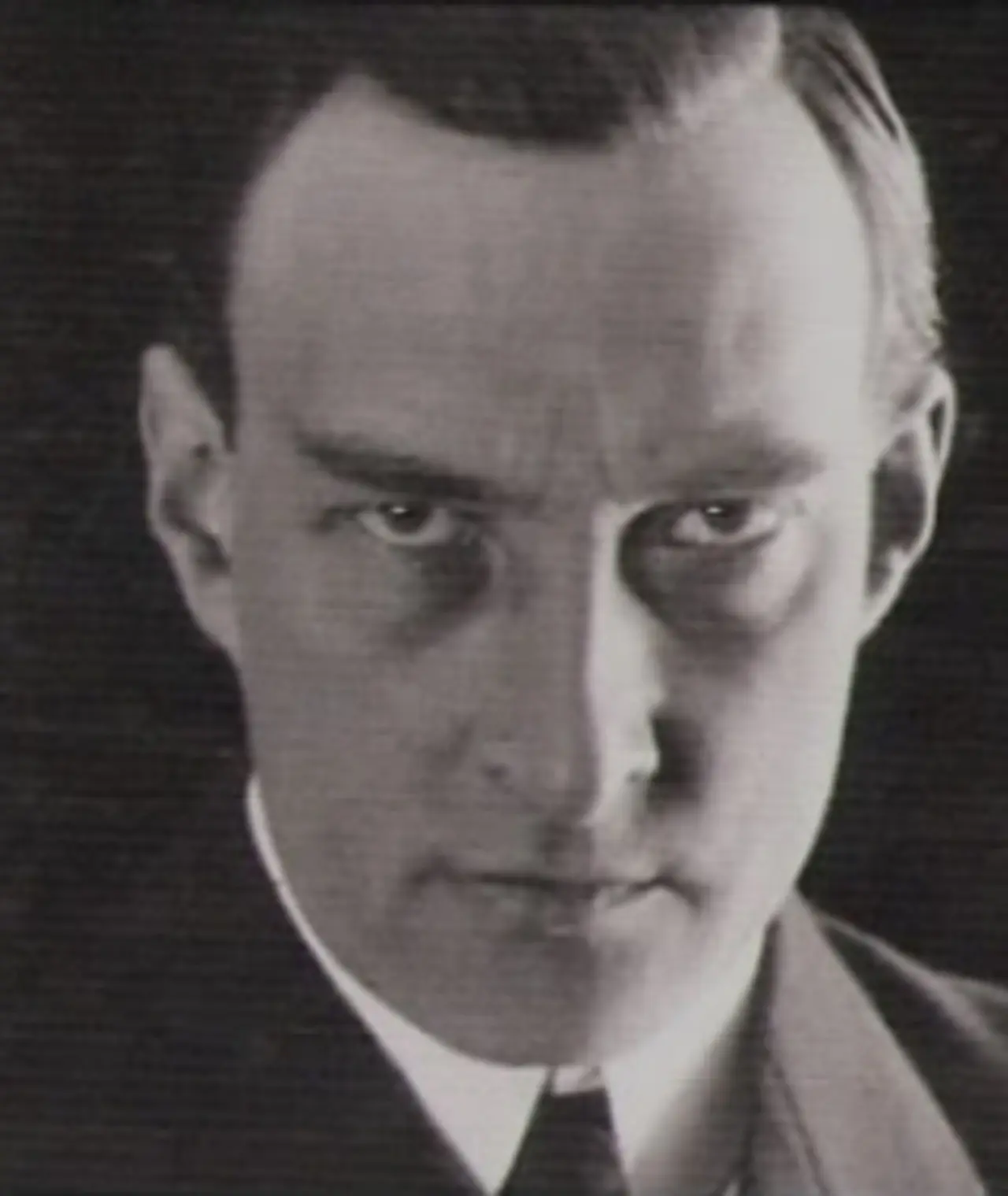
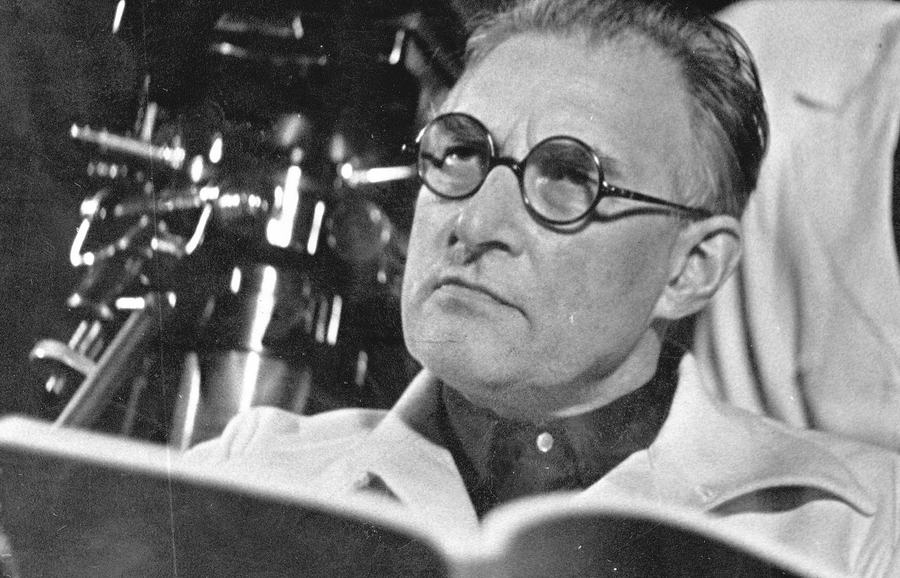
Benjamin Christensen
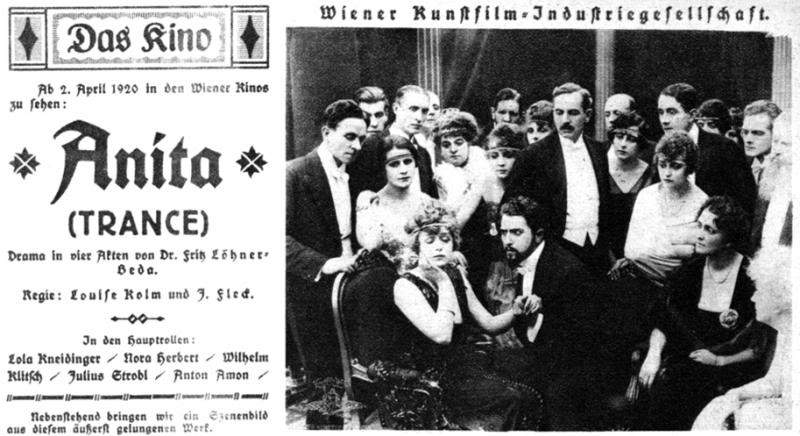
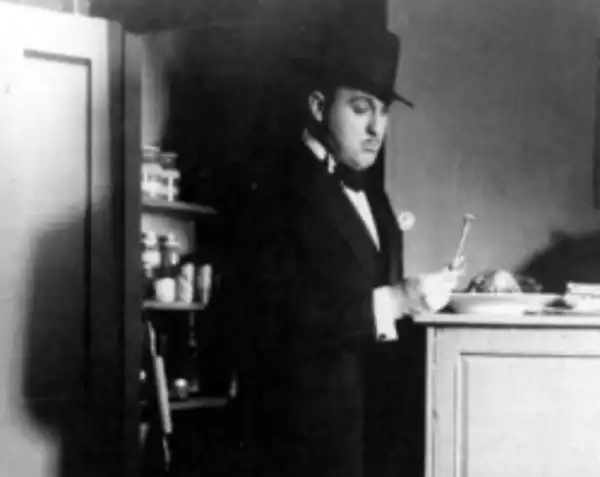
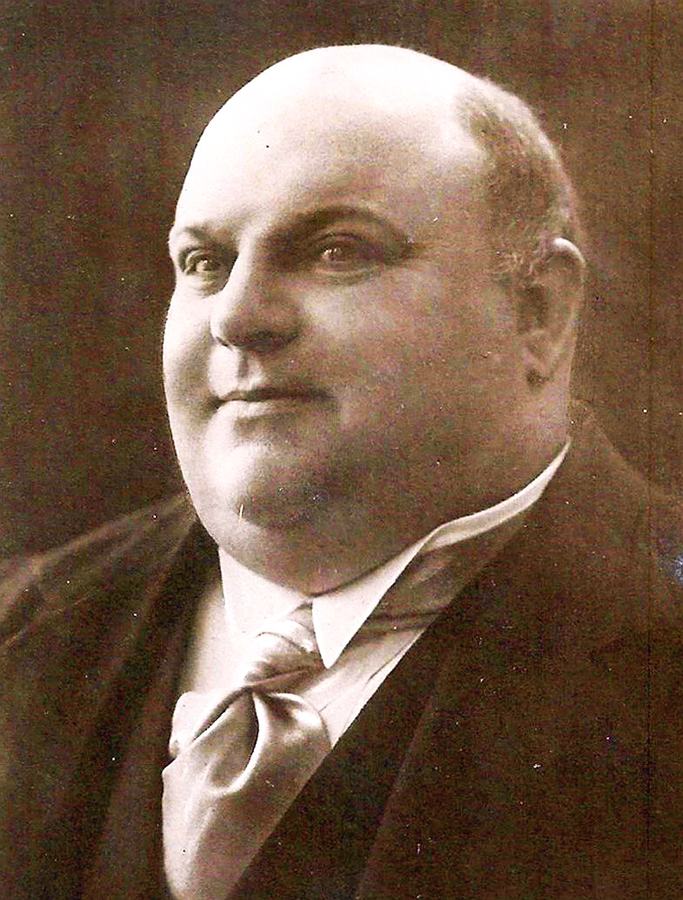
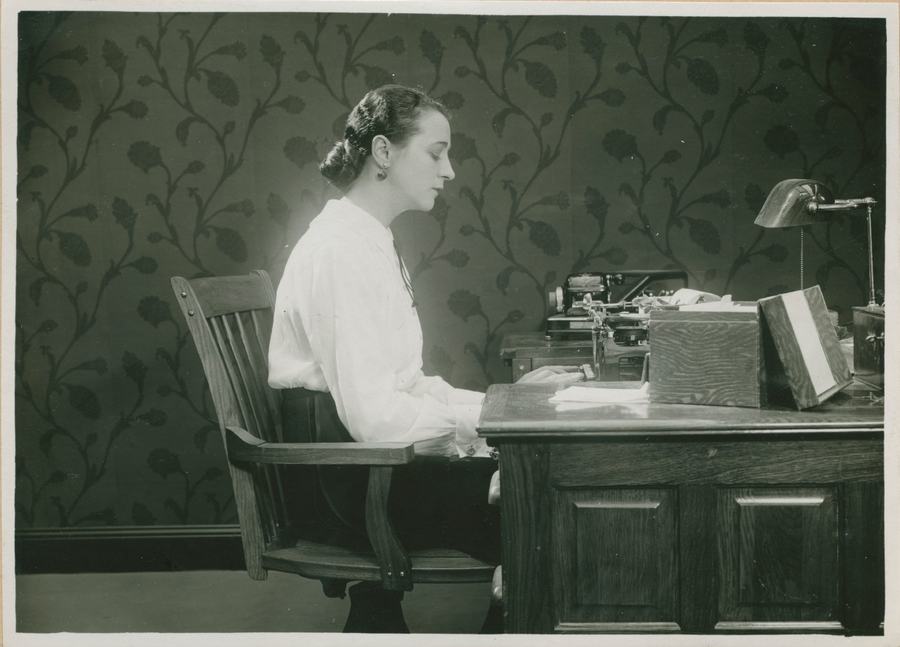
Jacob Fleck
Community
Log in to comment.
" Stepping into the spectral embrace of Benjamin Christensen's 1922 masterpiece, "Häxan" (often translated as "The Witches"), is not merely to watch a film; it is to embark upon a meticulously curated, yet profoundly unsettling, journey through the labyrinthine corridors of human fear, superstition, and the devastating consequences of collective delusion. This is a cinematic experience utterly unlike its contemporaries, transcending the simple narrative structures prevalent in early ..."
Kate Fabian
Benjamin Christensen
Sweden
Horror, Documentary, Fantasy
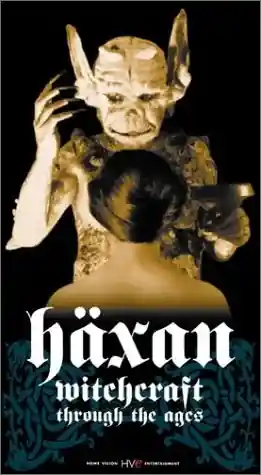
product
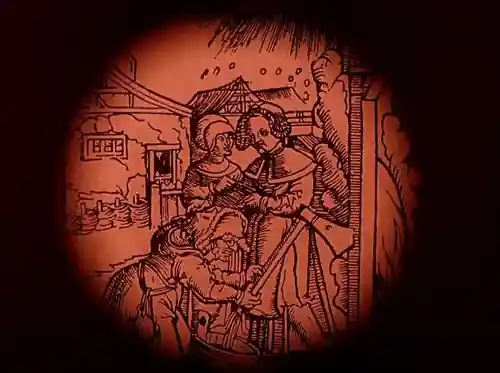
still_frame

still_frame
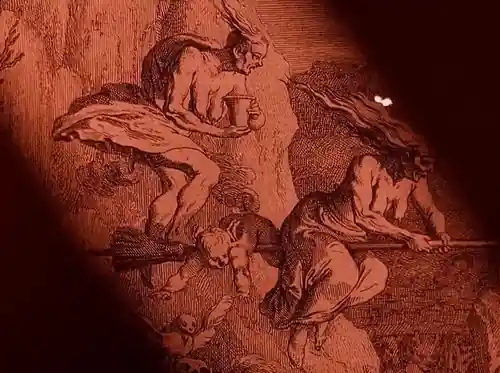
still_frame

still_frame
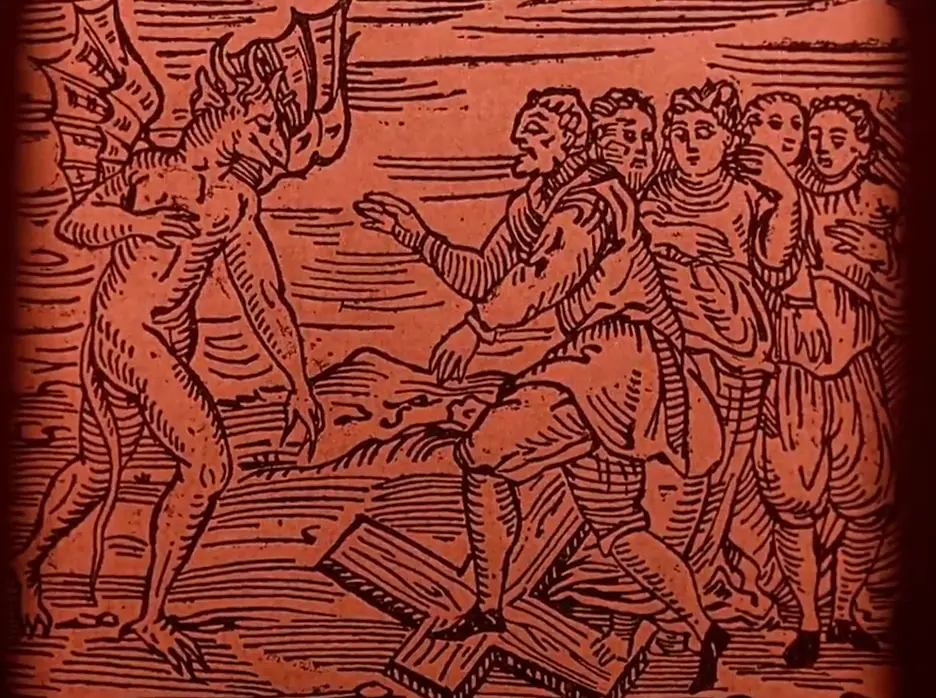
still_frame
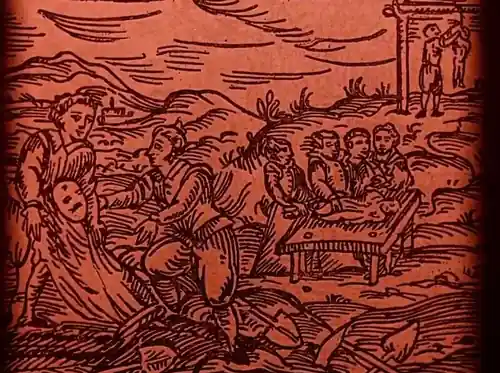
still_frame
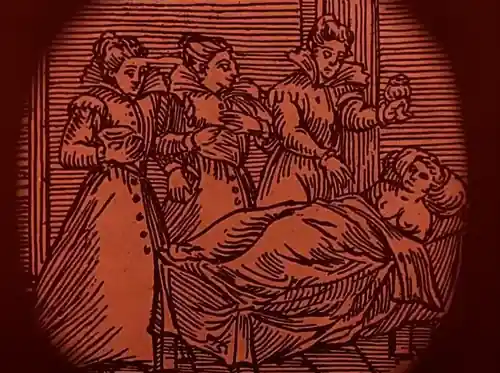
still_frame


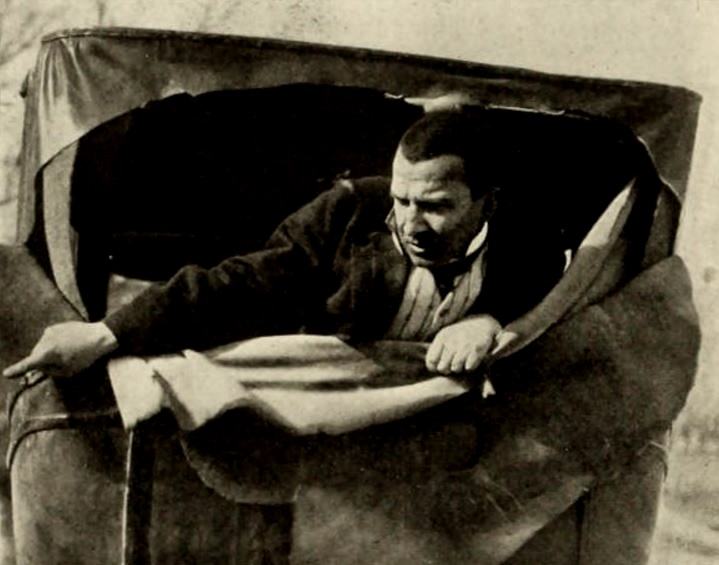
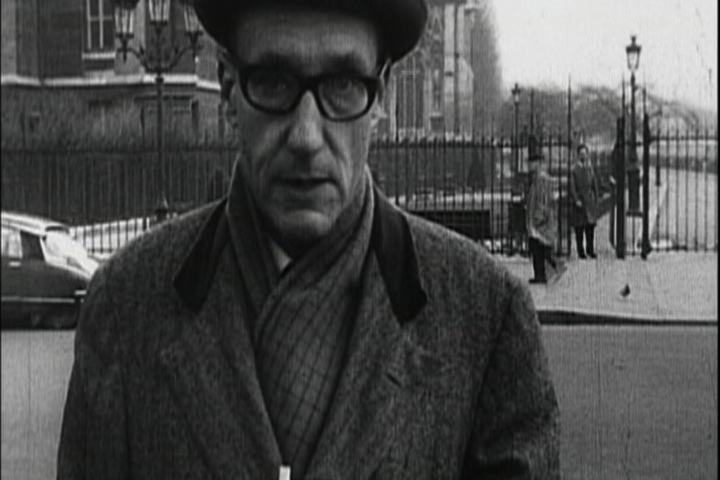
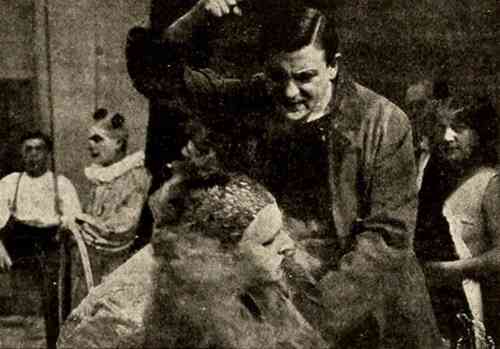
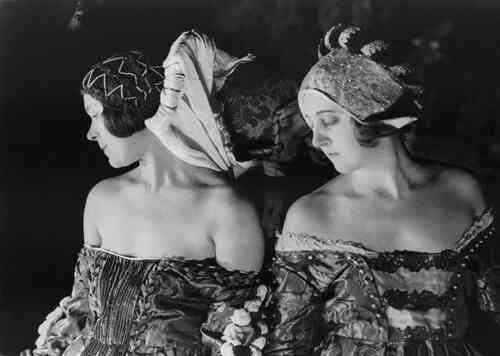
![[4K, 60 fps, colorized] (1922) Häxan: Witchcraft Through the Ages](https://img.youtube.com/vi/plc_CtApTvM/hqdefault.jpg)