DbcultAccessing Vault...
5.3/10
Senior Film Conservator
A definitive 5.3/10 rating for a film that redefined the boundaries of cult cinema. The Scarlet Drop remains a cornerstone of transgressive art.
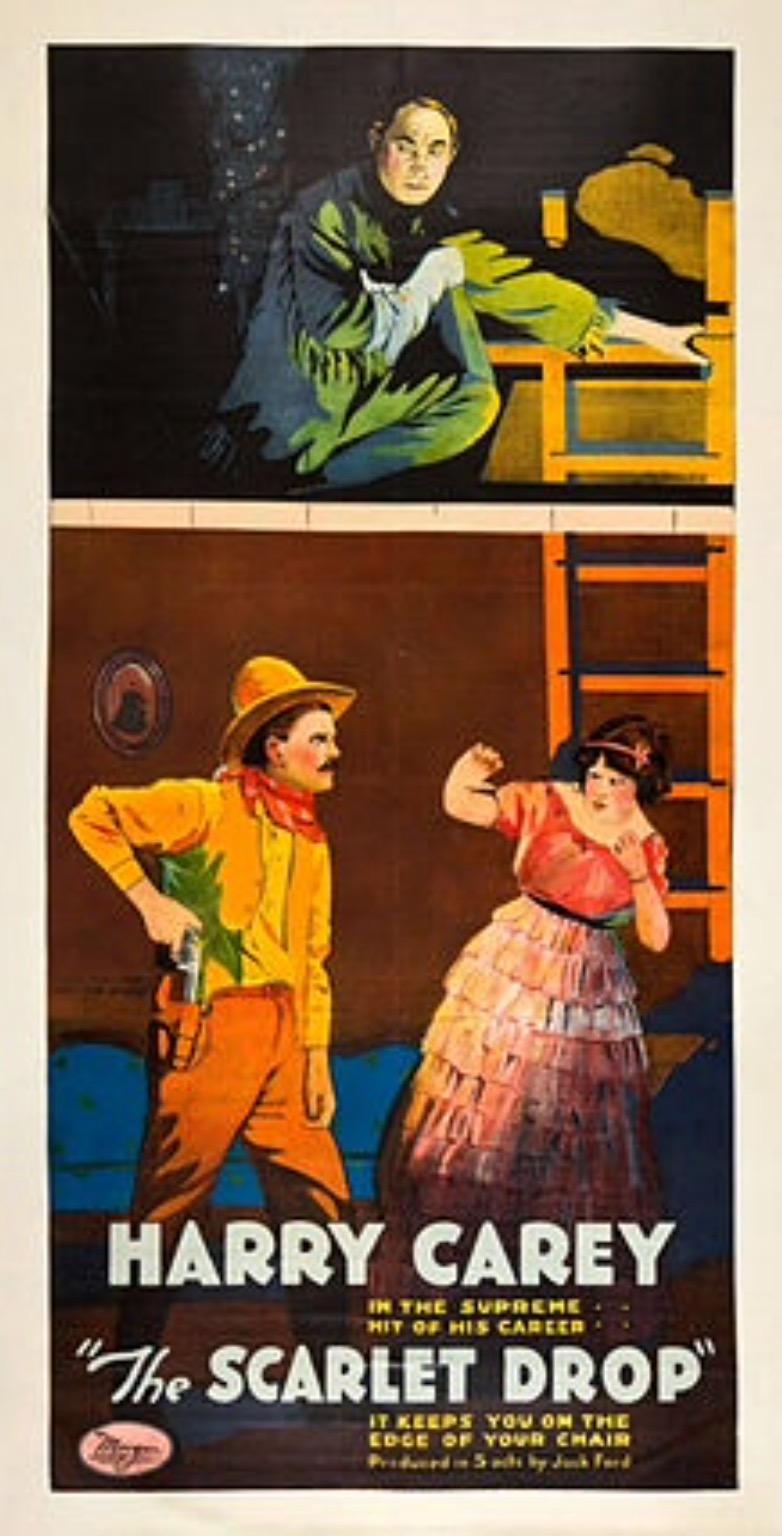
Stepping back into the flickering shadows of early cinema, we encounter 'The Scarlet Drop,' a film that, despite its silent origins and early place in a legendary director's filmography, speaks volumes about human nature, societal rejection, and the unforgiving landscape of the American West. Penned by the formidable duo of John Ford himself and George Hively, this 1918 production offers more than just a glimpse into a bygone era; it provides a visceral, often unsettling, examination of a man pushed to the brink, his destiny irrevocably altered by the currents of war and the cruel hand of fate. It’s a compelling narrative, even by today’s standards, showcasing the nascent talents that would define one of Hollywood’s most iconic auteurs.
The premise of 'The Scarlet Drop' is deceptively simple yet profoundly resonant: a man, eager to serve his country during the tumultuous American Civil War, is denied admission to fight. This initial rejection, a seemingly minor bureaucratic hurdle, becomes the fulcrum upon which his entire life pivots. Imagine the crushing weight of such a dismissal; the patriotic fervor, the desire for purpose, the yearning to be part of something larger than oneself – all summarily dismissed. This isn't just a plot point; it's a deep psychological wound that festers, driving our protagonist down a path he might never have otherwise considered. The film masterfully, through its visual storytelling, conveys the deep sense of disillusionment and alienation that follows. It's a powerful statement on how external circumstances, often beyond our control, can shape our internal landscape and dictate our moral compass. The silent era, with its reliance on exaggerated expressions and physical acting, lends itself perfectly to portraying such raw, unspoken anguish.
With his conventional path to honor blocked, the protagonist gravitates towards the fringes of society, finding a twisted sense of belonging among a gang of marauders. This isn't a choice born of inherent wickedness, but rather a desperate lurch for agency in a world that has otherwise rendered him impotent. The film brilliantly illustrates the slippery slope from societal outcast to outright outlaw. The gang offers camaraderie, albeit a dangerous one, and a perverse sense of purpose – a stark contrast to the rejection he faced from legitimate authority. It highlights a recurring theme in Westerns: the fine line between justice and vengeance, order and chaos, especially in a period marked by profound national upheaval. The marauders, in their own way, represent a mirror image of the official forces of war, operating with their own brutal code, their own territorial claims, and their own brand of loyalty. The film doesn't glamorize their existence but rather paints a grim picture of its inevitable consequences, leading our protagonist down a path of no return, where every action has a compounding, often tragic, reaction.
The ensemble cast, featuring talents like Betty Schade, Millard K. Wilson, Martha Mattox, and the ever-charismatic Harry Carey, delivers performances that transcend the limitations of silent cinema. Harry Carey, in particular, often brought a rugged authenticity to his roles, and one can only imagine the nuanced portrayal he would have given to a character grappling with such profound internal conflict. Silent acting demands a unique skill set, relying heavily on facial expressions, body language, and carefully choreographed movements to convey complex emotions and propel the narrative forward. The actors in 'The Scarlet Drop' must have been masters of this craft, translating the script's raw emotion into palpable visual cues. Betty Schade and Martha Mattox, even in roles that might have been secondary to the male leads, would have brought their considerable experience to lend depth and gravitas to the unfolding drama. Steve Clemente and Vester Pegg, likely playing members of the marauding gang, would have contributed to the film's gritty realism, embodying the rough-and-tumble ethos of the frontier. Molly Malone's presence would have added another layer, perhaps as a figure of innocence or a moral compass in a world spiraling out of control. It’s a testament to their artistry that their performances continue to resonate, allowing modern audiences to connect with the raw human struggles depicted on screen.
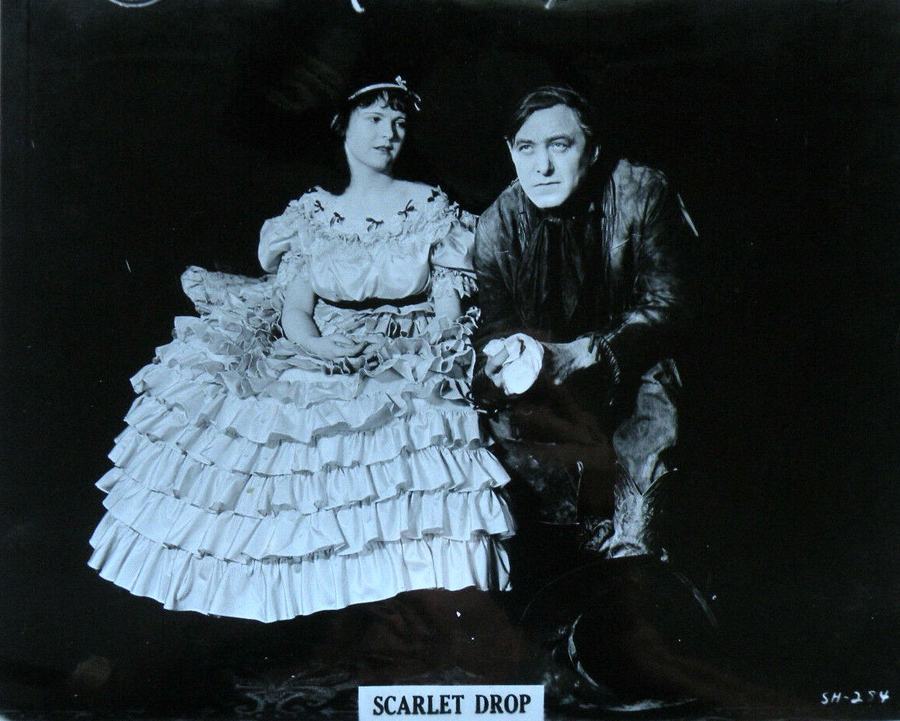
Even in these nascent stages of his career, John Ford's directorial fingerprints are discernible. The raw, untamed landscapes, the focus on the individual's struggle against overwhelming forces, and the underlying current of moral ambiguity would become hallmarks of his later, more celebrated works. Though 'The Scarlet Drop' predates the iconic vistas of Monument Valley that would define his Westerns, one can sense his burgeoning understanding of how environment shapes character and narrative. His direction, even without the benefit of synchronized sound, would have utilized visual rhythm, dynamic camera work (for the era), and precise staging to build tension and emotional impact. Ford had a knack for extracting powerful performances and creating memorable images, and it's fascinating to consider how these early films laid the groundwork for masterpieces like 'Stagecoach' or 'The Searchers.' The efficiency of storytelling required in silent film, where every frame had to count, likely honed his narrative precision, a skill that would serve him well throughout his illustrious career. The pacing, the shot compositions, the way he framed the human figures against the vastness of the American frontier – all these elements, even in 1918, would have hinted at the directorial genius to come. It's not just a historical artifact; it's a foundational text in understanding the evolution of a cinematic titan.
The narrative thrust of 'The Scarlet Drop' is relentless. The protagonist's journey from a hopeful, albeit rejected, citizen to a hunted fugitive is a powerful exploration of consequence. Each decision, each desperate act, propels him further into the abyss of outlawry. The film doesn't offer easy answers or convenient redemption; instead, it presents a stark, almost deterministic, progression. This descent into criminality and the subsequent flight from justice form the core dramatic tension. It’s a classical Western trope, certainly, but imbued with a psychological depth that elevates it beyond mere adventure. The concept of being a fugitive, constantly looking over one's shoulder, is inherently cinematic and would have been powerfully conveyed through Ford's direction and the actors' performances. The silent film medium often excelled at conveying such primal fears and relentless pursuits, relying on visual cues and rapid editing to create a sense of urgency. The title itself, 'The Scarlet Drop,' evokes images of blood, shame, or perhaps a single, irreversible error that stains a life forever. It suggests a tragic inevitability, a narrative where fate, once set in motion, cannot be easily altered.
'The Scarlet Drop' emerges from a period of intense cinematic experimentation and rapid evolution. In 1918, film was still finding its voice, developing the grammar and vocabulary that we now take for granted. This film, therefore, stands as a fascinating artifact, showcasing how early filmmakers tackled complex themes without the crutch of dialogue. The power of visual storytelling, the reliance on intertitles to convey exposition and dialogue, and the emphasis on physical performance were paramount. It’s a testament to the ingenuity of these pioneers that they could craft such compelling narratives. Comparing it to other films of the era, such as The Scarlet Car, one might find a shared fascination with themes of danger or illicit thrills, though 'The Scarlet Drop' grounds its narrative in a more profound, national historical context. While a film like A Royal Romance might have offered escapist fantasy, 'The Scarlet Drop' rooted itself in the harsh realities of American life post-Civil War, even if through a dramatic lens. It demonstrates that even then, cinema was capable of both grand spectacle and intimate, character-driven drama, often within the same feature. The craft of silent film, often underestimated, was truly an art form in itself, demanding a different kind of engagement from both creators and audiences. It’s a powerful reminder of how storytelling can transcend technological limitations.
What 'The Scarlet Drop' ultimately achieves is a powerful, if wordless, dialogue with its audience about the nature of identity, choice, and consequence. It’s a film that, despite its age, continues to resonate because its core themes are timeless. The feeling of being rejected, the temptation of the forbidden, the relentless pursuit of justice (or vengeance) – these are universal human experiences. For fans of John Ford, it offers an invaluable early window into the mind of a master director, revealing the foundational elements of his cinematic vision long before he became a household name. For enthusiasts of silent cinema, it's a prime example of the genre's capacity for nuanced storytelling and emotional depth. While many early films have been lost to time or neglect, those that survive, like 'The Scarlet Drop,' serve as vital historical documents and powerful artistic statements. They remind us that the roots of modern cinema are deeply embedded in these pioneering efforts, where every flicker of light on screen was a deliberate choice, every gesture a carefully considered line of dialogue. It’s a film that asks us to reflect on the choices we make when faced with adversity and the indelible marks they leave upon our lives, a true testament to the enduring power of cinematic narrative, even in its most nascent form. It is a compelling piece of history, showcasing how foundational narratives about heroism, villainy, and the blurry lines between them were being established and refined in the crucible of early American filmmaking. The sheer effort of conveying such intricate plot developments and emotional arcs without spoken words is a remarkable feat, highlighting the ingenuity of an entire generation of filmmakers and performers. The film's legacy lies not just in its existence as an early work by John Ford, but in its ability to still provoke thought and emotion, demonstrating that true artistry transcends the limitations of its medium and era. It's a testament to the fact that compelling storytelling, regardless of its technological framework, will always find a way to connect with the human spirit, making 'The Scarlet Drop' a valuable, if often overlooked, gem in the vast tapestry of silent film history.
IMDb —
1916
Community
Log in to comment.