Summary
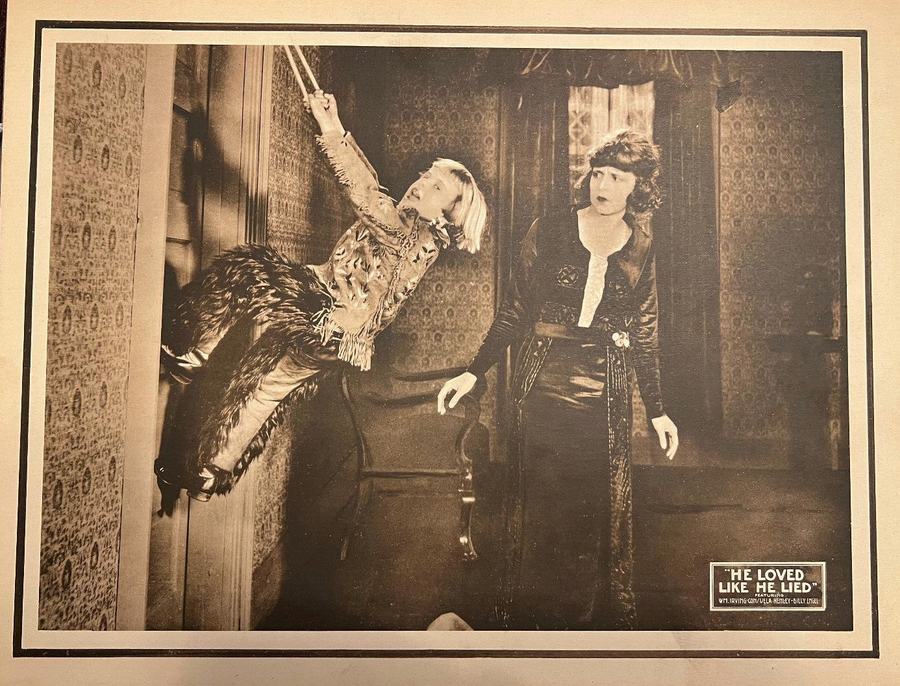
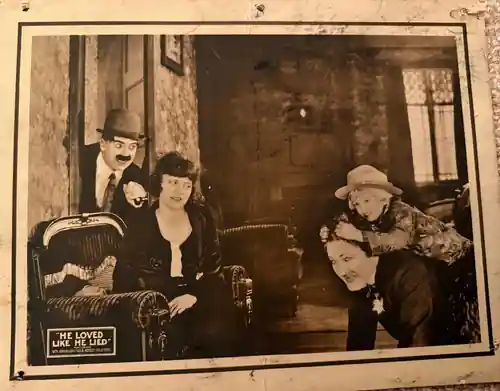
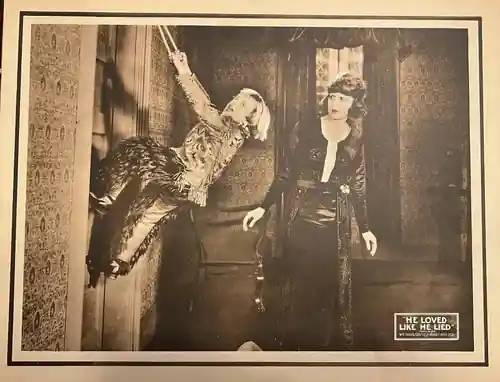
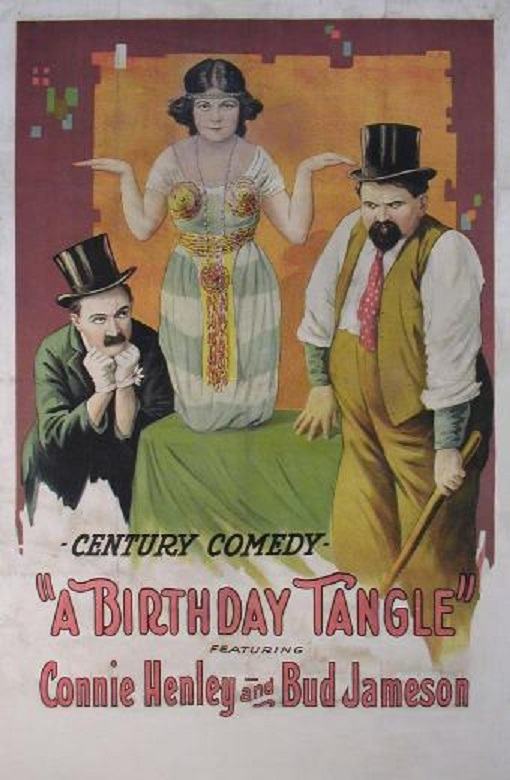
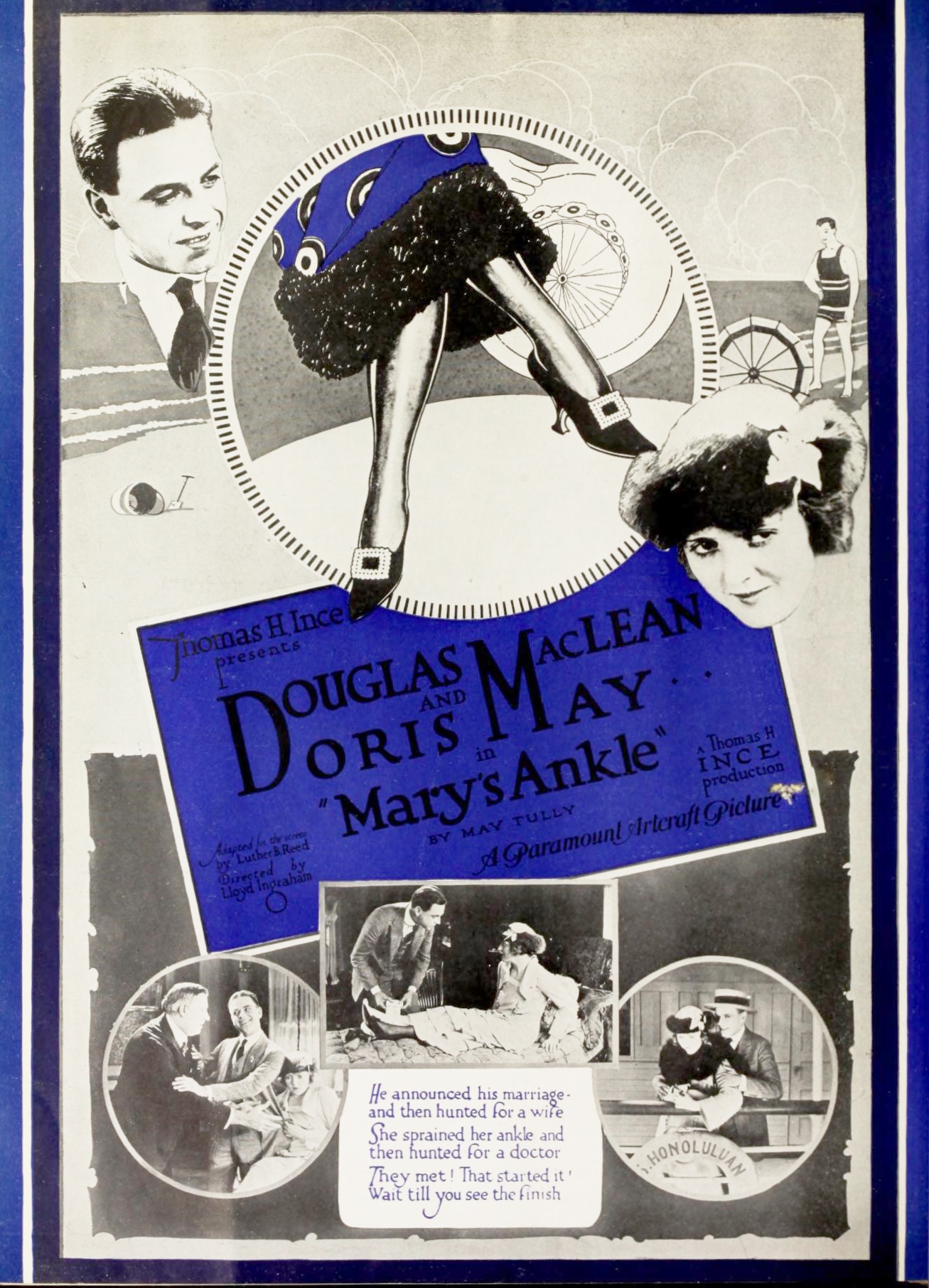
A prism of deceit fractures across the ballroom of 1919 Manhattan: socialite-consultant William Irving, bespoke suit buttoned like a confession, courts heiress Connie Henley with sonnets plagiarized from soldiers who will never return, while Joey Jacobs’ street-boy smirk sells him bootleg morphine in alleyways that smell of burnt velvet. Each lie Irving utters blooms into a carnation he tucks into Connie’s evening glove; each petal wilts into a receipt for jewels he never bought, estates that exist only in forged deeds. Billy Engle’s jesterish photojournalist shadows the couple, flash powder popping like moral judgments, capturing a kiss that is already a forgery. When Connie’s steel-magnate father announces her betrothal to a Argentine cattle baron, Irving escalates: he fakes terminal consumption, borrowing the consumptive’s pallor from a dying clerk in a ward off Pearl Street, convincing Connie to elope to a seaside cottage built of nothing but promissory notes. On the storm-whipped pier, Jacobs demands hush money; Irving tosses him a sealed envelope stuffed with blank paper, the ultimate bluff. The camera lingers on waves gnawing the pilings—an elegy for every promise. Connie discovers the deceit not through logic but through the scent of her own perfume on another woman’s shawl, a narcotic trace that rewinds every illusion. Instead of confronting Irving, she orchestrates her own counter-myth: a telegram announcing her death by drowning, a closed casket filled with sand. The final reel unspools inside a derelict dime museum where Irving, now a penniless barker, lectures wax figures about love; Connie enters in widow’s veils, pays admission, stares until the wax likeness of Irving melts under skylight heat, a meta-death more brutal than any bullet. They exit separately, two ghosts whose lies have outlived the people they invented.
Review Excerpt
"
No title card ever announced the rules; the film simply assumes that every heart is a forged signature.
William Irving’s silhouette slices across the opening iris-in like a scalpel: evening cloak fluttering behind him as if even fabric wants an alibi. The camera—hand-cranked, hungry—tracks him through the Astor Hotel’s gilt rotunda where Connie Henley’s laughter ricochets off stained-glass constellations. Notice how director Harold V. Cromwell refuses establishing shots; instead we get fragmen..."