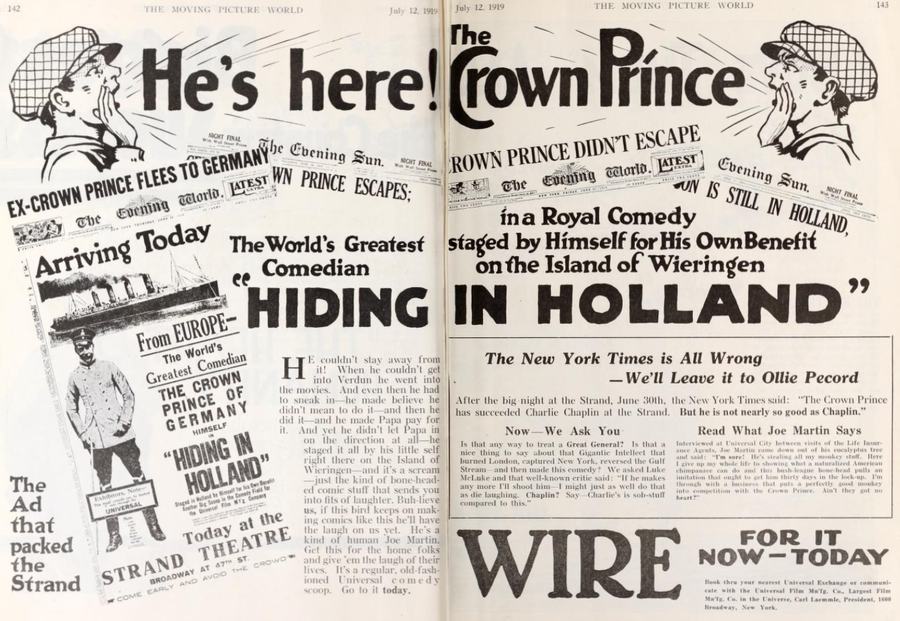
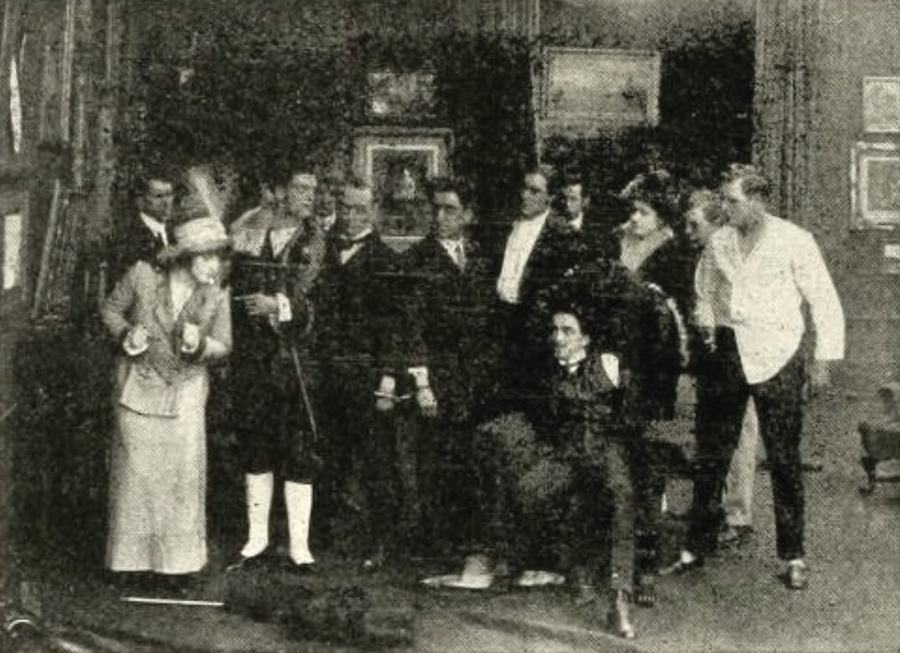
A supposedly verity film for which a cameraman hid in a cart in order to follow unobserved (but observing) the former Crown Prince Hohenzollern of Germany as he traveled through Holland after the First World War..
Netherlands
There is a peculiar, almost predatory thrill in watching Hiding in Holland. It isn't merely the historical weight of its subject—the displacement of the Hohenzollern dynasty—but the sheer, audacious methodology of its creation. In an era where cinema was still largely wrestling with the proscenium arch of the theater, ...
Comparing the cinematic DNA and archive impact of two defining moments in cult history.
Unknown Director

Unknown Director
Community
Log in to comment.
"There is a peculiar, almost predatory thrill in watching Hiding in Holland. It isn't merely the historical weight of its subject—the displacement of the Hohenzollern dynasty—but the sheer, audacious methodology of its creation. In an era where cinema was still largely wrestling with the proscenium arch of the theater, this 'verity' film opted for the cramped, dusty interior of a cart. It is a proto-documentary that feels more like a heist movie, where the loot isn't gold, but the unguarded image..."