Summary
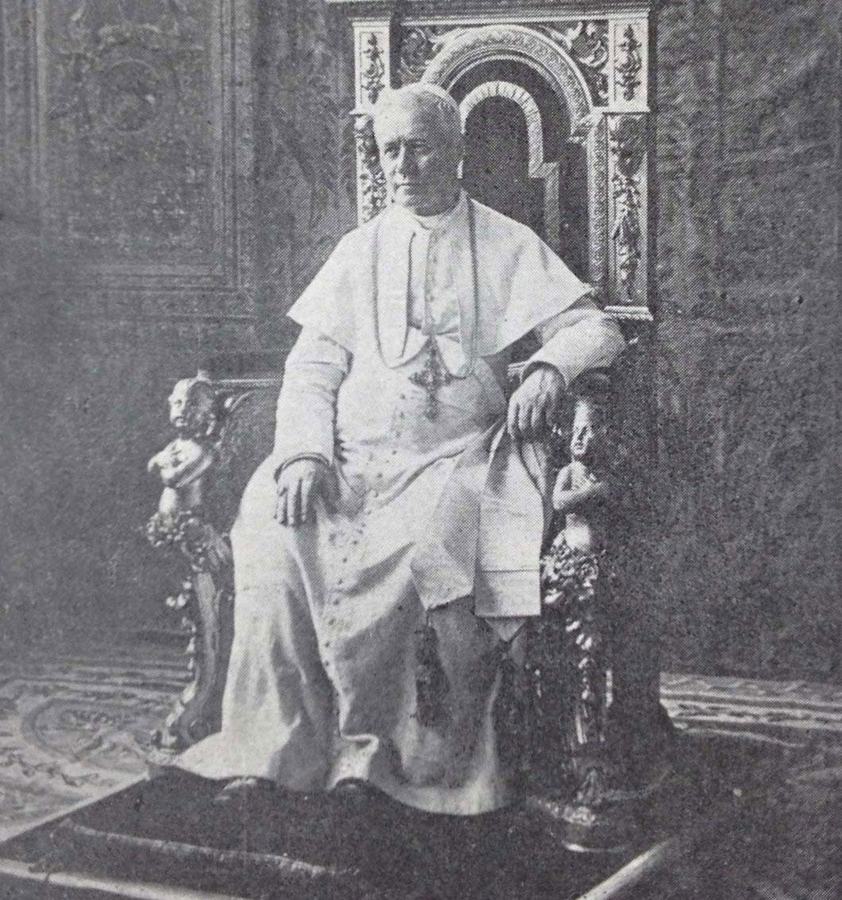
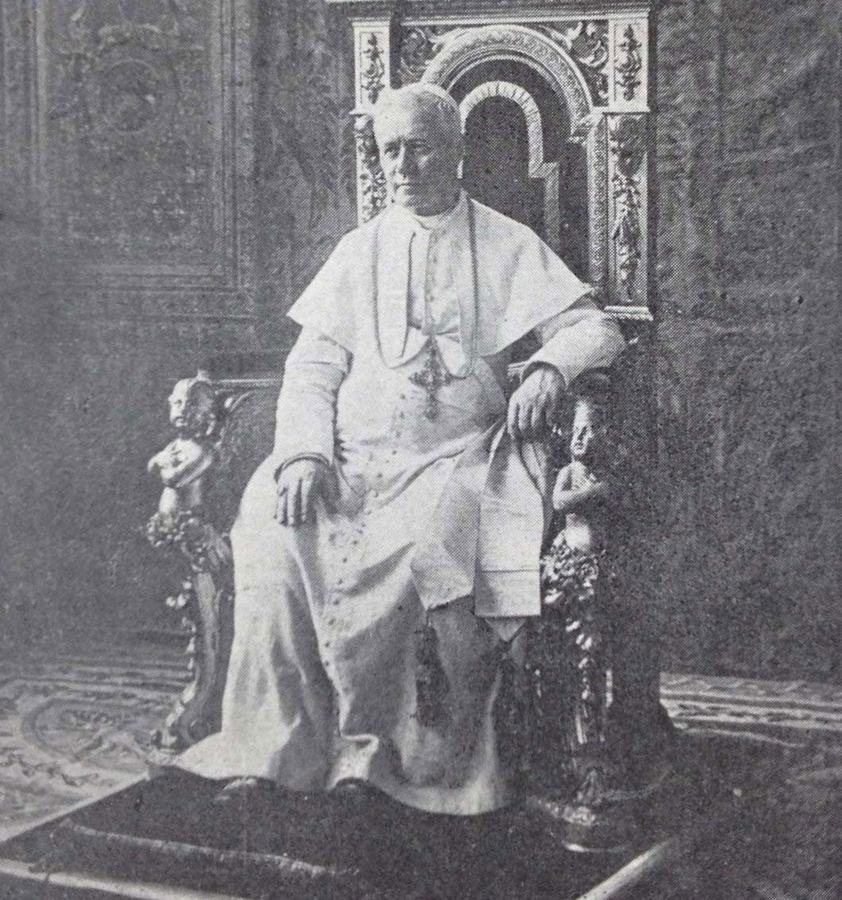
In the flickering twilight of early-cinema Rome, a cassocked phantasm—Pope Pius X—glides through lantern-lit corridors where frescoes perspire candle-wax. The camera, starved of sync-sound, instead drinks incense as if it were nitrate: every censer-swing becomes a visual metronome, every cardinal’s ring a solar flare against obsidian vestments. The plot, gossamer yet seismic, is less narrative than liturgical procession: a humble patriarch from Riese, elected to Saint Peter’s fisherman throne, confronts the tremors of modernity—biblical criticism, socialism’s red bloom, the cannonade of 1914—while his own heart fibrillates inside a thorax that will soon refuse the Host he consecrates. Around him, the Vatican mutates into a baroque labyrinth: spiral stairs ejaculate into voids, Swiss Guardsmen march like clockwork toy-soldiers, secret archives exhale parchment dust that settles on celluloid like dandruff from God. Intertitles, ivory on lapis, quote the 1903 Motu Proprio on sacred music; the montage retorts with images of street-children humming Verdi outside shuttered churches. A subplot, barely whispered, traces a nameless seminarian who steals papal stationery to forge safe-conducts for Jews—his face never shown, only the reflection of Pius’s gold pectoral cross in the boy’s tear-stained eye. When the pontiff collapses during the Offertory, the camera clings to a fly crawling across the corporal cloth, its wings vibrating at 24 frames per second—an apostate angel chronicling the last breath of a saint who once commanded the oceans of heaven. The film ends not on death but on a freeze-frame of the papal slippers, threadbare, toes aligned to form a cruciform punctuation mark; the screen gutters to white, and in that overexposure we understand sanctity as pure emulsion: light burned so fiercely into silver that time itself is transfigured.
Review Excerpt
"
Celluloid incense rises again: a forgotten holy relic of early cinema resurrects the Saint of the Eucharist in shimmering nitrate.
In the taxonomy of ecclesiastical cinema—sandwiched between the moralizing tableaux of The Vicar of Wakefield and the gothic paranoia of The Bells—this anomalous 1914 Italian production stakes claims both hagiographic and heretical. No director is credited; Vatican archivists list the cinematographer only as “Fr. G.,” a Jesuit with a Pathé 28-mm hand-crank and a co..."