
United States
body{background-color:black;color:white;font-family:Arial,Helvetica,sans-serif;line-height:1.6;} .orange{color:#C2410C;} .yellow{color:#EAB308;} .blue{color:#0E7490;} .quote{font-style:italic;margin:0 0 1em 0;} From the moment the opening credits dissolve into a horizon of molten amber, 'Hot Sands and Cold Feet' announ...
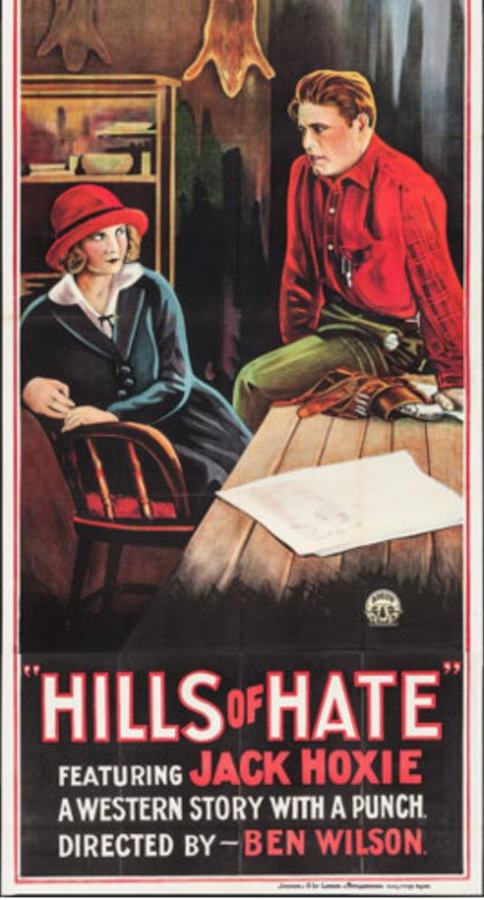
Comparing the cinematic DNA and archive impact of two defining moments in cult history.
Glen Lambert

Glen Lambert
Community
Log in to comment.
"body{background-color:black;color:white;font-family:Arial,Helvetica,sans-serif;line-height:1.6;} .orange{color:#C2410C;} .yellow{color:#EAB308;} .blue{color:#0E7490;} .quote{font-style:italic;margin:0 0 1em 0;} From the moment the opening credits dissolve into a horizon of molten amber, 'Hot Sands and Cold Feet' announces its ambition: to render the desert as a character as volatile as any human protagonist. Tracy's portrayal of the weather‑worn wanderer is a study in restrained intensity. He c..."
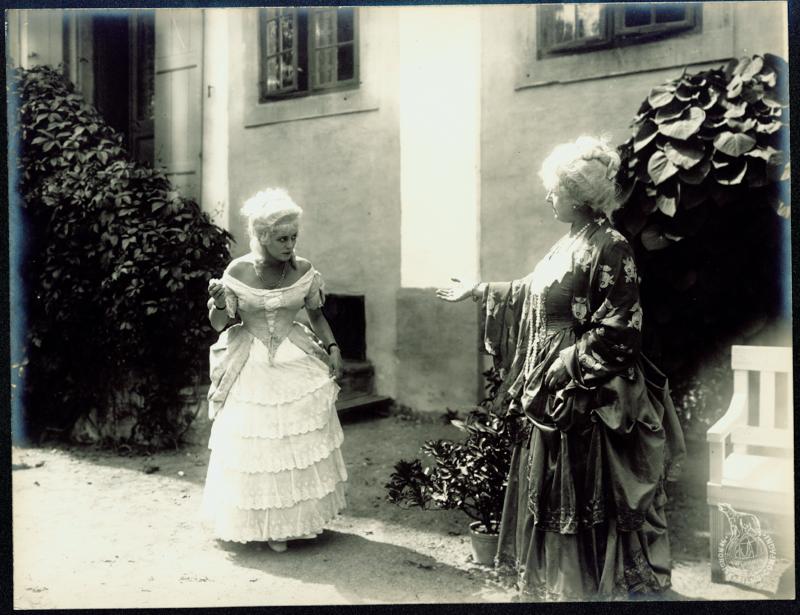
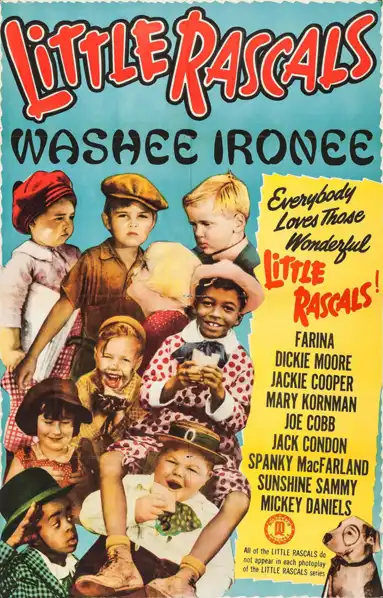
Deep dive into the cult classic
Discover similar cinematic experiences
A Directorial Spotlight on Glen Lambert