Summary
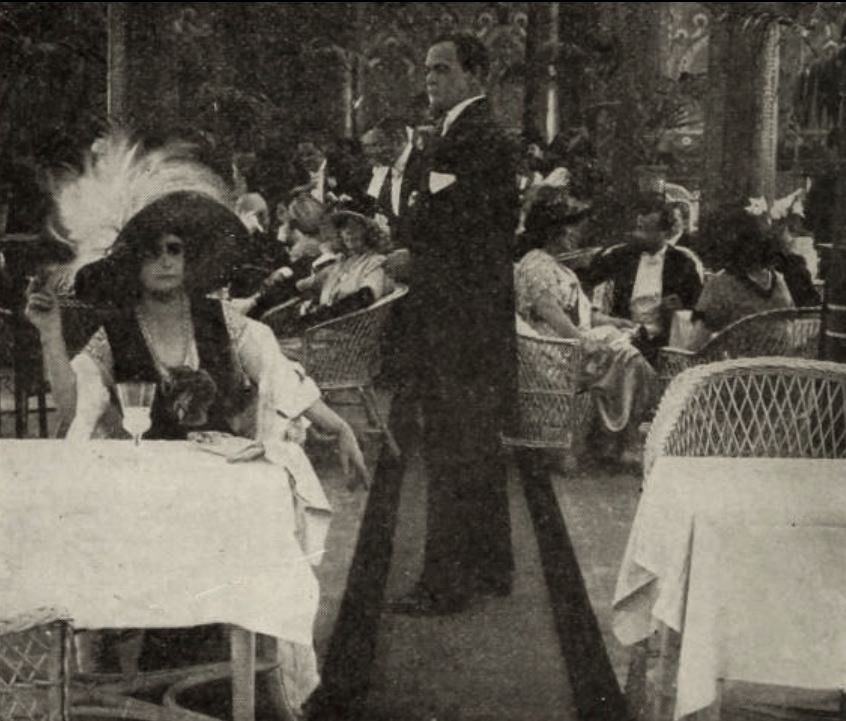
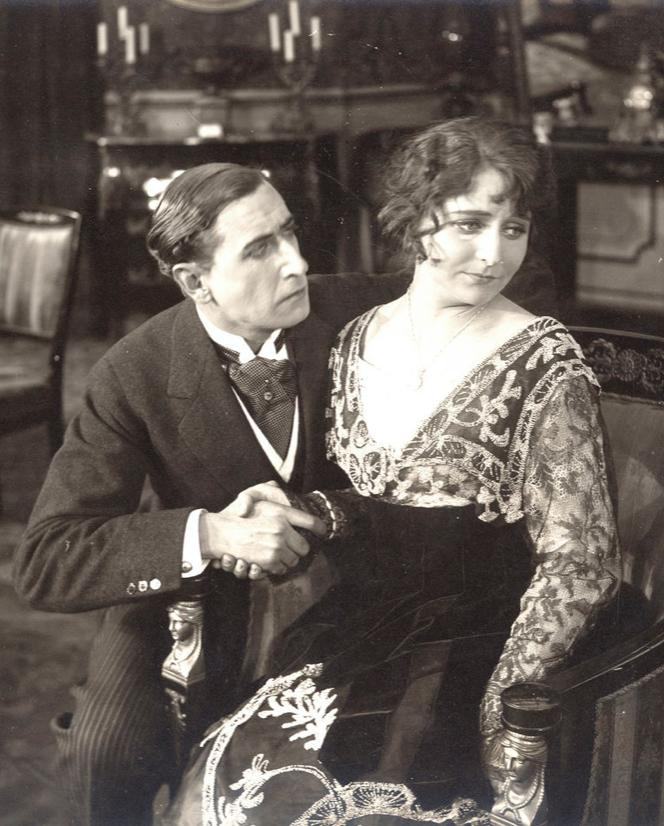
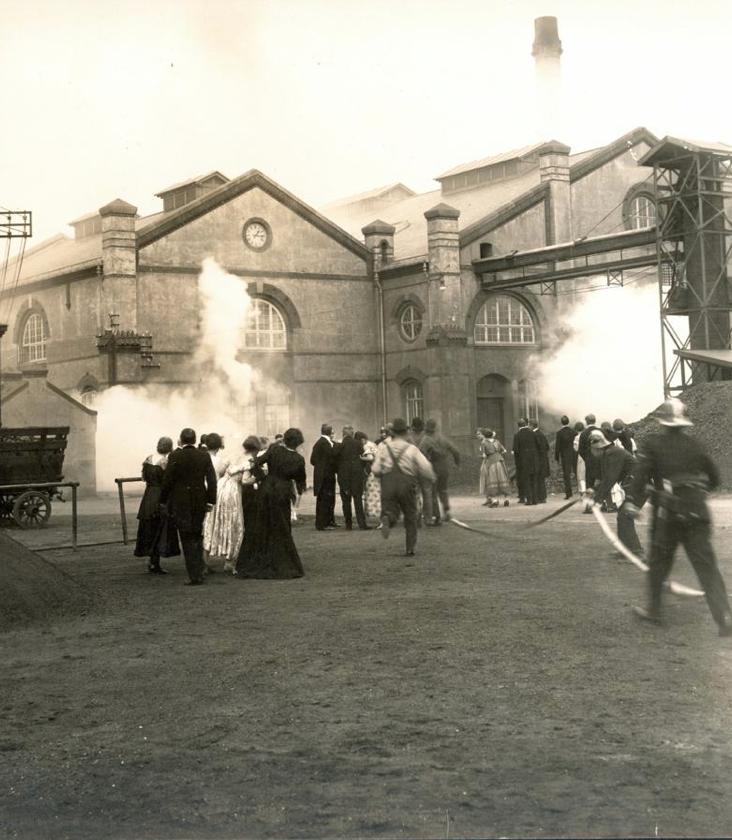
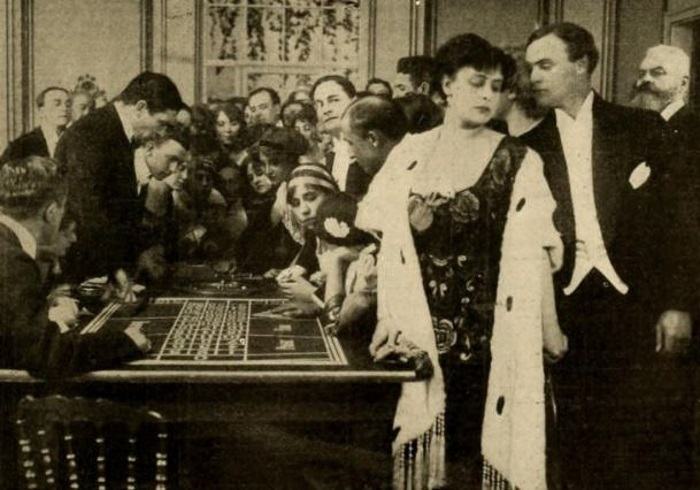
A Woman’s Honor, directed by an anonymous but unmistakably radical hand in 1910, unfurls like a daguerreotype suddenly granted pulse and breath. Harriet Bloch’s screenplay detonates the corseted silence of fin-de-siècle Copenhagen: a young jurist, Erik Holberg’s Andreas, returns from Paris clutching a parchment of progressive nuptial law only to collide with the marble façade of patrimony personified by Robert Schmidt’s Colonel von Rydt, a war relic who treats daughters like medals. Between them stands Rita Sacchetto’s Lili—part sylph, part smoking revolver—whose engagement to the Colonel is less courtship than foreclosure on her future. Bloch’s narrative architecture is a hall of mirrors: every apparently chivalrous gesture refracts into coercion; every whisper of scandal boomerangs upon the slanderer. When Lili’s name is etched onto a gambling chit by the feckless Lieutenant Beck (Nicolai Johannsen) as collateral for his debts, the film tilts into a chiaroscuro chase through gas-lit alleys, candle-pierced ballrooms, and the glass-roofed law courts where honor is weighed against the gold standard of male reputation. The climactic duel is fought not with rapiers but with ink: Andreas drafts a clause that retroactively criminalizes the trafficking of a woman’s name, forcing the Colonel to sign his own social death warrant or acknowledge Lili’s autonomous signature. In the final shot, Lili’s gloved hand releases the signed contract into the winter wind; the pages swirl like wounded gulls while the camera lingers on her unpinned hair—an oriflamme for every silenced suffragette who suddenly discovers her own voice can be a blade.
Review Excerpt
"
The first time I saw A Woman’s Honor I emerged as if from a crypt: shaky, half-blind, furious that history had buried this nitrate grenade under a century of chauvinist rubble. The Danish Film Institute’s 2023 4-K restoration—minted from a desiccated camera negative discovered inside a Copenhagen piano—doesn’t merely resurrect a 1910 curiosity; it detonates the origin myth of Nordic noir feminism.
Erik Holberg’s Andreas arrives by coastal steamer, briefcase rattling with Gallic jurisprudenc..."