Summary
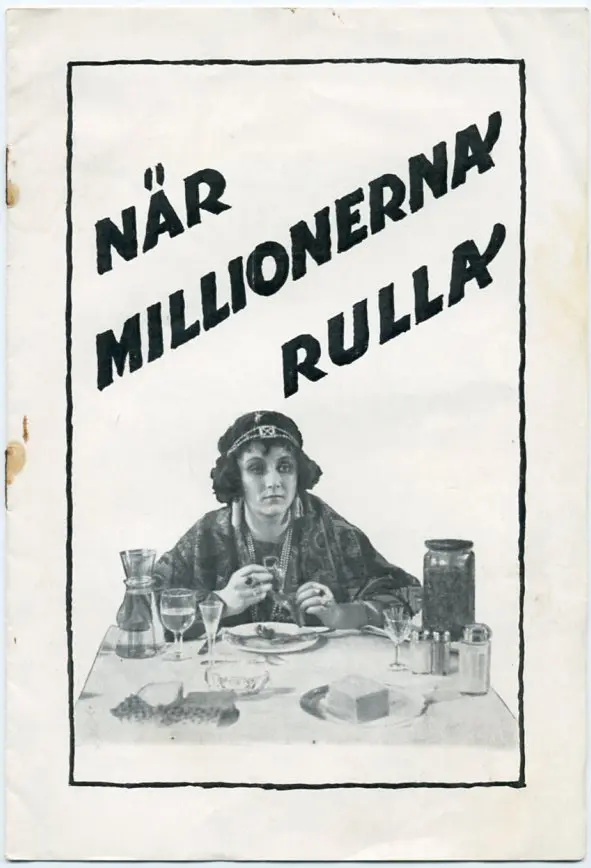
Stockholm’s bourgeoisie ascend the marble staircases of PUB like pilgrims to a neon-lit shrine, clutching purses heavy with krone and aspirations heavier still; inside this cathedral of consumption, mannequins breathe, silk rustles like autumn leaves, and a twenty-year-old salesgirl—Greta Gustafson, soon to transmute into the mythic Garbo—glides between racks of fox-trimmed coats as if she already suspects the camera will one day worship the arch of her shoulder blade. Mr. and Mrs. Stockholm, a matrimony stitched from habit rather than desire, drift from counter to counter, their marriage a palimpsest of silent grievances disguised by herringbone and houndstooth. In the gentlemen’s department, Erick Fröander’s clerk performs a pantomime of masculinity, measuring inseams with the reverence of a priest distributing sacraments, while overhead chandeliers flicker like gossip. Olga Andersson’s matron, veiled in tulle and condescension, presides over the lingerie salon where corsets become armor against modernity. Ragnar Widestedt’s floor manager orchestrates this ballet of silk and capital with a smile sharp enough to slice credit lines. Each outfit tried on is a possible future self; each rejected garment, a corpse of a life unlived. Garbo, wordless but omnivoyant, watches the couple disintegrate under the weight of too many choices, her gaze a premonition of the celluloid immortality awaiting her while these mannequins-of-the-moment will dissolve back into Stockholm fog. The film ends not with a purchase but with the echo of a slammed velvet curtain: consumerism’s promise devours itself, leaving only the scent of mothballs and the phantom swish of a gown that never belonged to anyone.
Synopsis
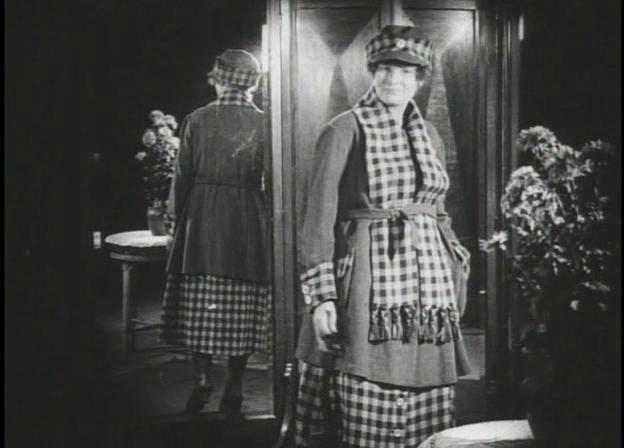
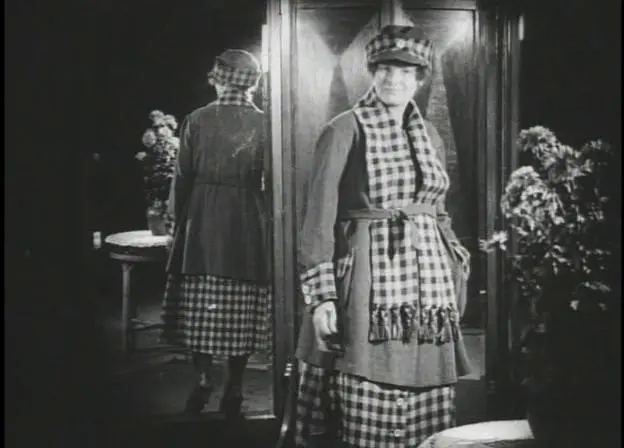
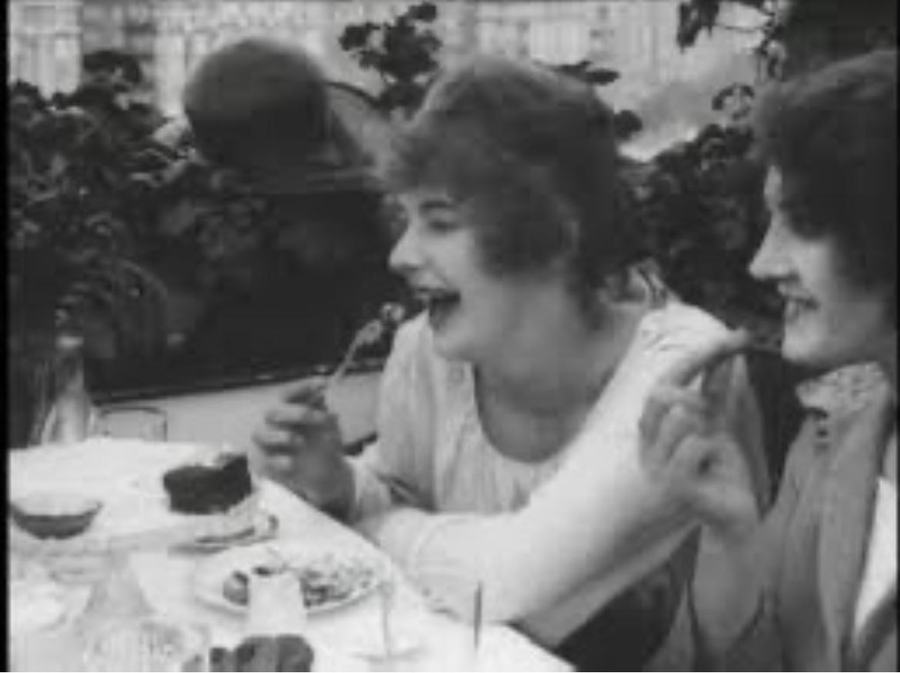
Mr and Mrs Stockholm visit the Paul U. Bergström (PUB) department store to buy a new wardrobe for a journey. They visit different departments, where the future Greta Garbo (Gustafson at the time) is one the models showing outfits for Mrs Stockholm.
Review Excerpt
"
The year is 1920; the place, Stockholm’s mammoth Paul U. Bergström emporium, a mirrored labyrinth where electric bulbs hum like captive starlight. Cinema, still toddling on its silent legs, turns its gaze toward the altar of haute couture and finds—beneath the tulle, the whalebone, the price tags—an aching void where human identity is sized, hemmed, and ultimately discarded.
How Not to Dress arrives as a svelte catalogue of perils, fifteen minutes of celluloid that feels both commercial vignet..."