Summary
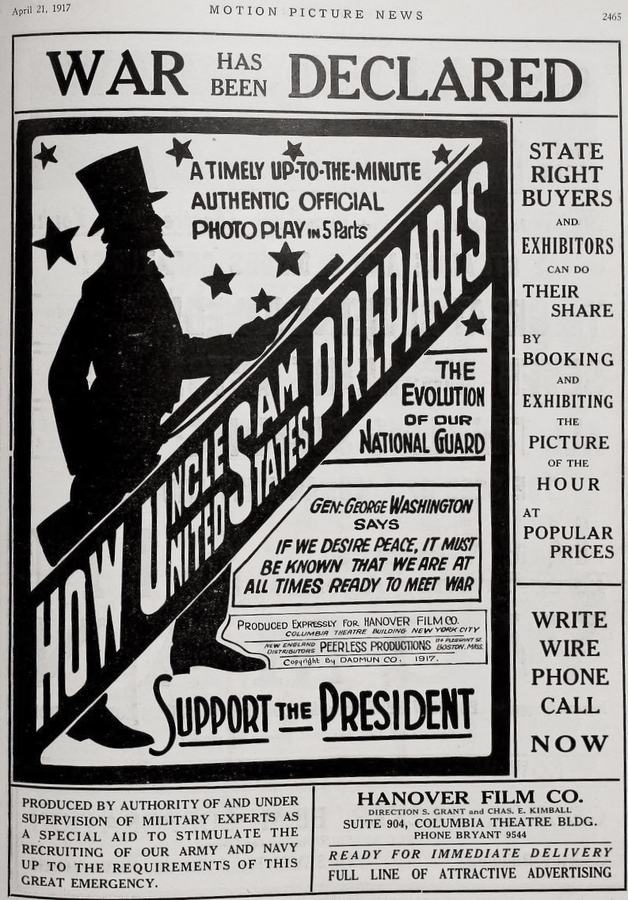
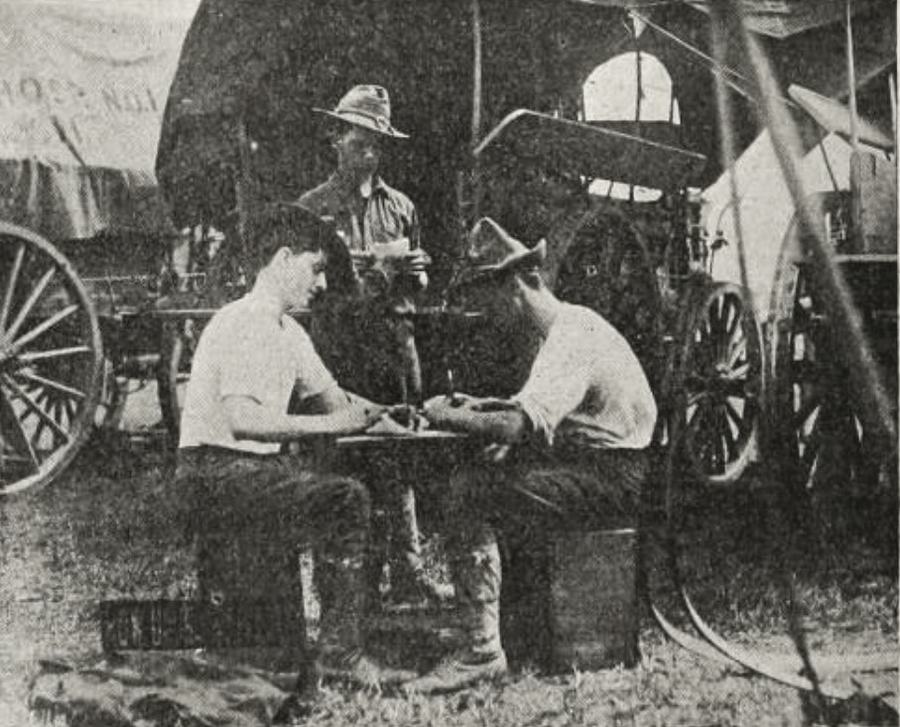
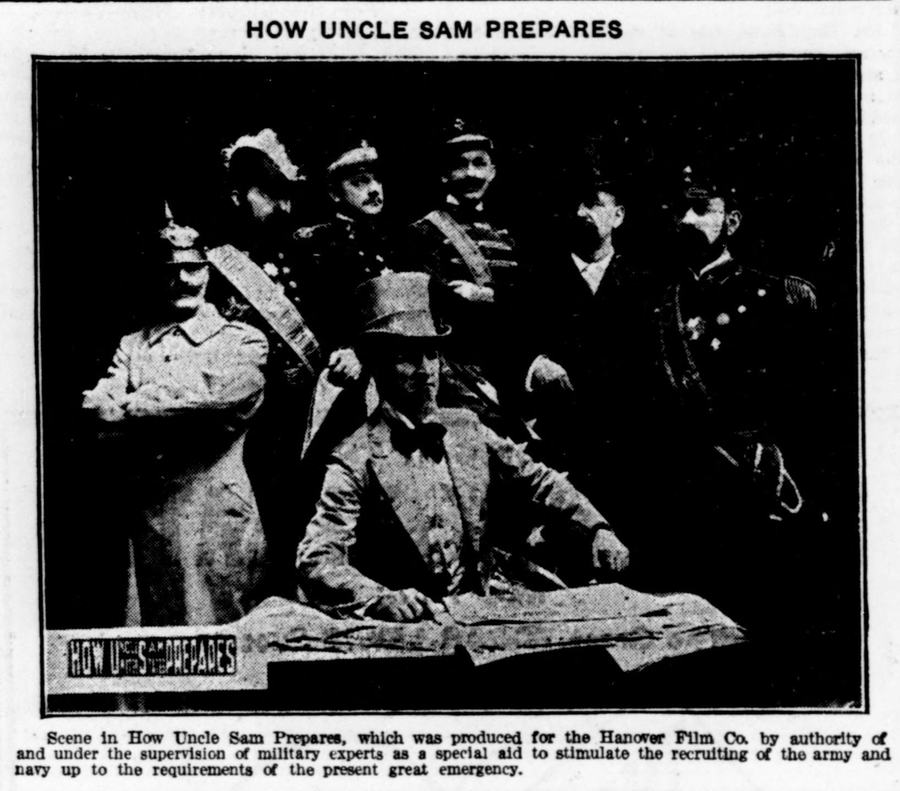
This cinematic artifact, likely from an era defined by burgeoning national identity and the looming specter of global conflict, meticulously chronicles the profound metamorphosis of the American civilian into a disciplined instrument of state defense. Eschewing overt narrative complexity for a didactic, almost documentary-like precision, the film illustrates the rigorous regimen that forged a unified fighting force. Viewers are guided through a series of compelling vignettes: the initial, often hesitant, call to duty; the raw recruits shedding their civilian guises and personal identities; the arduous physical conditioning designed to temper both body and spirit; the meticulous instruction in weaponry, tactical maneuvers, and the intricate choreography of group cohesion; and the profound inculcation of a collective, unwavering spirit. The camera, rather than merely observing, becomes an active participant in this transformative process, emphasizing the systematic efficiency and the subtle psychological conditioning inherent in military preparation. It’s a visual treatise on national cohesion and the forging of martial readiness, framed not as a story of individual heroism, but as an allegorical journey of a nation preparing its collective soul for an uncertain future. Each frame serves as a poignant testament to the era's fervent belief in organized strength, the inherent dignity of service, and the profound symbolism embedded within the uniform.
Review Excerpt
"
Stepping back into the annals of early American cinema, one encounters films like How Uncle Sam Prepares (slug: how-uncle-sam-prepares) — a fascinating, if often overlooked, cinematic document that offers a unique window into the national psyche during a period of intense global flux. This isn't a narrative driven by star-crossed lovers or a gripping crime; rather, it's a meticulously crafted visual essay on the formidable machinery of national preparedness. Released at a time when th..."