A definitive 5.1/10 rating for a film that redefined the boundaries of cult cinema. Convoy remains a cornerstone of transgressive art.
Is Convoy (1927) Worth Discussing Today?
Is Convoy (1927) a film worth discussing in the modern cinematic landscape? The short answer is an unequivocal yes, not for its viewing pleasure, but for its profound historical intrigue and the tantalizing questions it poses about a lost era of filmmaking. This film is essential for cinephiles, historians, and anyone fascinated by the silent era's unexplored corners, but it offers little for those seeking readily accessible entertainment or a straightforward narrative experience, given its unfortunate status as a lost work.
For those who crave the tangible experience of cinema, Convoy remains an elusive phantom. Yet, its existence, even in absence, serves as a powerful reminder of the fragility of artistic output and the relentless march of time. We are left to piece together its potential from fragmented records and the legacies of its creators, making its review less about a viewing and more about an archaeological excavation.
This film works because of its enduring mystery and the historical context it provides for understanding the silent era's approach to war narratives, forcing us to engage with cinema as a historical artifact even without direct viewing.
This film fails because its physical absence means we can only speculate on its artistic merits, leaving a void that no amount of critical reinterpretation can truly fill or satisfy a desire for tangible engagement.
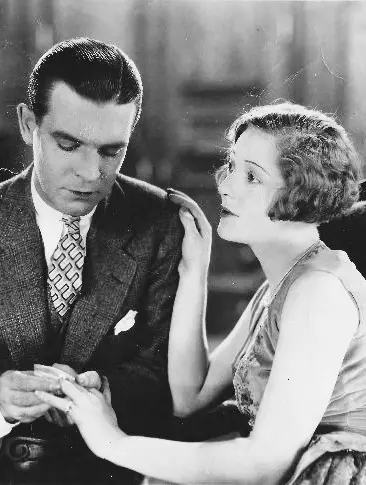
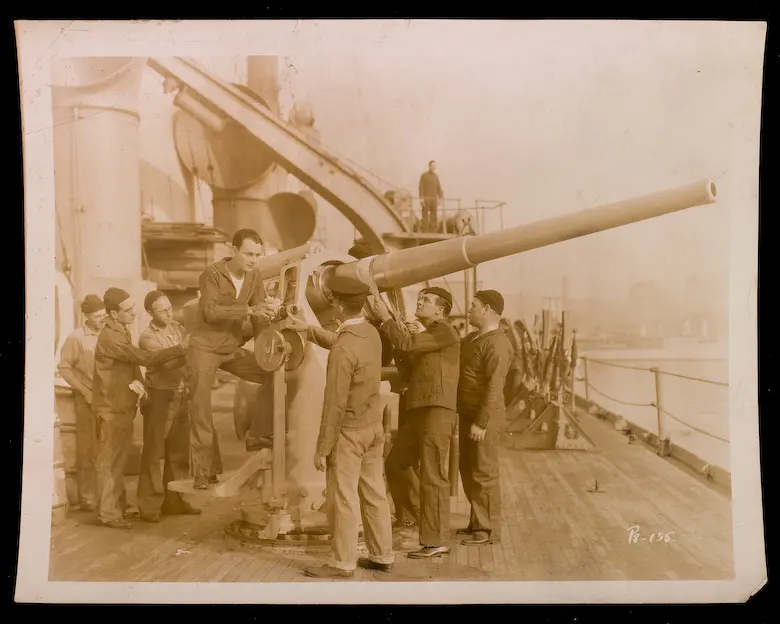
Scene from Convoy
Cinematic perspective: Exploring the visual vocabulary of Convoy (1927) through its definitive frames.
You should watch it (or rather, engage with its legacy) if you are deeply interested in silent film history, the evolution of war dramas, and the careers of its principal actors, Lowell Sherman and Dorothy Mackaill, understanding that your engagement will be primarily intellectual and historical.
Unpacking the 'Lost' Legacy
The tragedy of lost films is a gaping wound in the heart of cinematic history. Convoy (1927) is one such casualty, a silent World War I drama starring Lowell Sherman and Dorothy Mackaill, now existing only in title and tantalizing fragments of information. Its disappearance is not unique; a significant percentage of silent films are gone forever, victims of nitrate film's inherent instability, studio neglect, and the ravages of time.
This loss means we cannot truly critique its direction, acting nuances, or the impact of its narrative beyond conjecture. We can, however, critically engage with its historical context, the implications of its genre, and the known careers of its talent. This exercise transforms film criticism from analysis to a form of historical imagination, a reconstruction of what might have been.
The year 1927 was pivotal. It was the year of The Jazz Singer, ushering in the sound era, yet silent films still dominated. A WWI drama released at this juncture would have been made while the memories of the Great War were still fresh, but with a decade's distance allowing for a certain reflective maturity in storytelling. Unlike earlier, more propagandistic war films, a 1927 production might have grappled with the psychological aftermath, the disillusionment, or the quiet heroism that transcended jingoism.
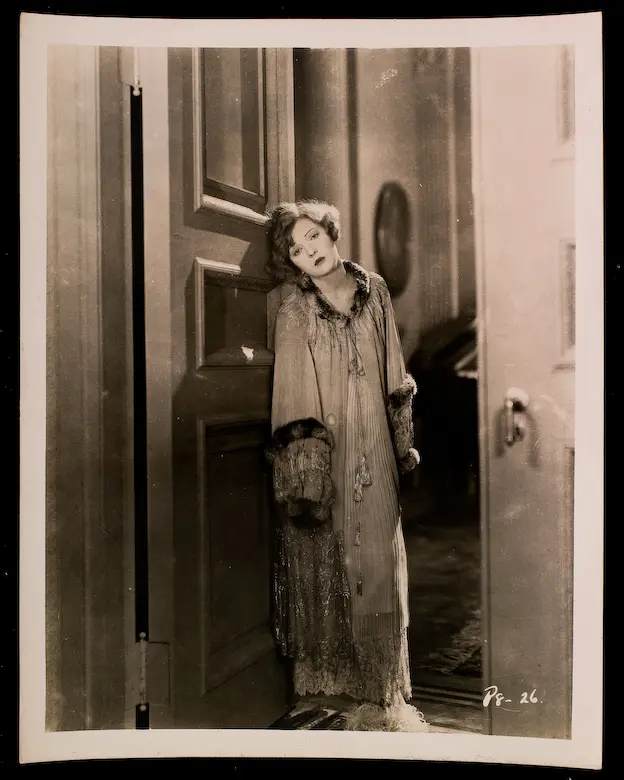
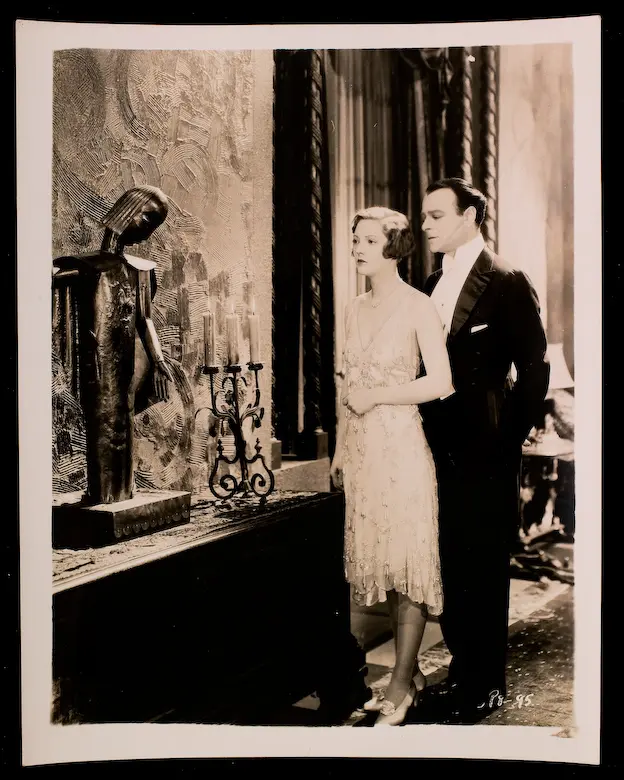
Scene from Convoy
Cinematic perspective: Exploring the visual vocabulary of Convoy (1927) through its definitive frames.
A Glimpse into the Silent War Drama
What kind of WWI drama would Convoy have been? Silent war films often excelled at depicting scale and spectacle, leveraging practical effects and large casts to convey the enormity of conflict. Think of the sweeping battle sequences in Wings (1927) or the intimate, yet grand, tragedy of The Big Parade (1925). Convoy, by virtue of its title, suggests a focus on the logistical and perilous journeys that defined wartime supply lines, perhaps hinting at naval warfare or troop transport, a less common, but equally harrowing, aspect of the conflict.
The narrative likely would have centered on themes of duty, sacrifice, and the human cost of war. Silent cinema's reliance on visual storytelling made it particularly adept at conveying raw emotion through facial expressions, body language, and symbolic imagery. A WWI setting would have provided ample opportunity for such dramatic power, from the stoic farewells of soldiers to the anguish of those left behind. The film could have explored the moral ambiguities of war, or perhaps a more straightforward tale of heroism and survival.
Given the post-war sentiment, it's plausible that Convoy might have leaned into a sense of weary patriotism, or even a subtle anti-war message, reflecting the growing disillusionment with conflict that characterized the late 1920s. The film's writers, Willis Goldbeck and John Taintor Foote, were both established figures, suggesting a narrative crafted with professional skill, even if its specific beats are lost to us.
The Silent Stars: Sherman and Mackaill's Potential
The casting of Lowell Sherman and Dorothy Mackaill offers significant clues to the film's potential character. Lowell Sherman was a sophisticated, often urbane actor known for playing charming villains, cynical gentlemen, or morally ambiguous figures. His presence in a WWI drama could have introduced a fascinating layer of complexity. Was he a disillusioned officer? A conflicted spy? A man of privilege forced into service? His nuanced expressions and commanding screen presence would have brought gravitas to any role.
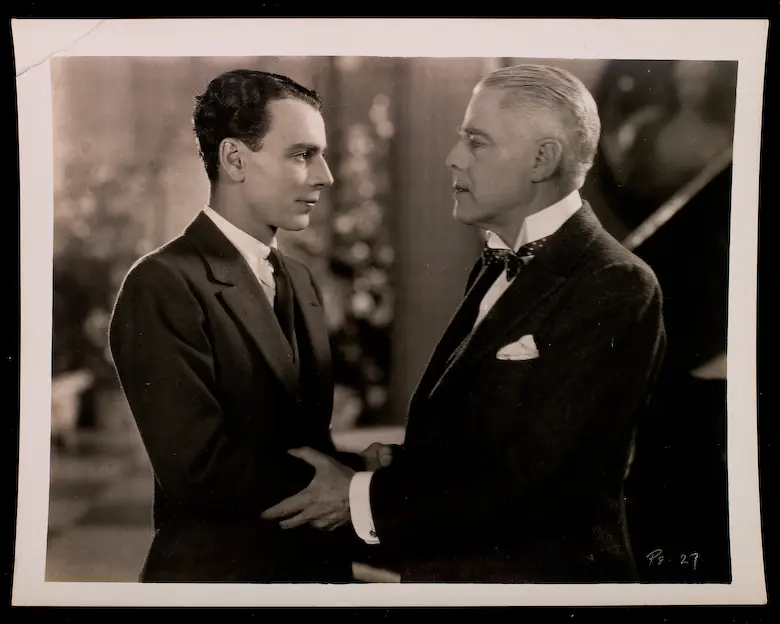
Scene from Convoy
Cinematic perspective: Exploring the visual vocabulary of Convoy (1927) through its definitive frames.
Sherman rarely played straightforward heroes. His strength lay in portraying characters with internal conflict or a certain world-weariness. Imagine him in a trench, his usual aristocratic demeanor stripped away by the horrors of war. This juxtaposition could have been incredibly powerful, offering a stark contrast to the more traditionally heroic portrayals common in early war films. His performance in In Folly's Trail (1920) or Cheated Love (1921) often highlighted a detached elegance that, when broken, revealed profound emotional depth.
Dorothy Mackaill, on the other hand, was celebrated for her vivaciousness, charm, and later, her capacity for deeply dramatic roles. She often played plucky heroines or women caught in difficult circumstances. In Convoy, she might have been the sweetheart left behind, a nurse on the front lines, or perhaps even a European civilian caught in the conflict. Her expressive eyes and naturalistic acting style would have grounded the film's emotional core, providing a relatable human element amidst the chaos.
Together, Sherman and Mackaill could have formed a compelling on-screen partnership, perhaps a doomed romance or a relationship tested by the extremities of war. Their contrasting personas – Sherman's cool sophistication and Mackaill's vibrant warmth – would have created a dynamic tension, a common trope in silent dramas that leveraged star power to drive emotional engagement.
The Art of Absence: Directing, Cinematography, and Pacing
Without the film, we can only speculate on its technical prowess. However, 1927 was a peak year for silent film artistry, and First National Pictures was a major studio. Therefore, we can assume a certain level of craftsmanship. Direction would have relied heavily on visual storytelling, using evocative compositions and precise blocking to convey meaning without dialogue. The director, whose name is not readily available, would have been tasked with balancing grand scale with intimate human drama.
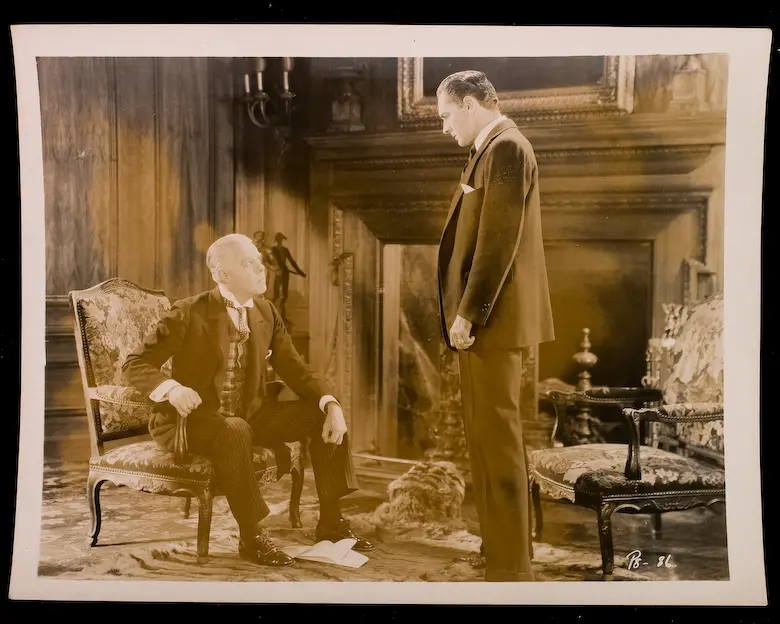
Scene from Convoy
Cinematic perspective: Exploring the visual vocabulary of Convoy (1927) through its definitive frames.
Cinematography in 1927 was sophisticated, employing advanced lighting techniques, matte paintings for expansive backdrops, and increasingly mobile cameras. For a WWI drama, we can imagine powerful use of shadows and light to depict the grimness of the trenches, the vastness of battlefields, and the stark contrast between the front and the home front. Close-ups would have been vital for capturing the intense emotions of actors like Sherman and Mackaill, drawing the audience into their personal struggles.
Pacing in silent films was unique, often characterized by a rhythmic alternation between action sequences, intertitle explanations, and dramatic pauses for emotional impact. A WWI film like Convoy would have likely built tension through slow, deliberate scenes leading up to moments of explosive conflict, punctuated by the poignant stillness of aftermath. The ebb and flow of a convoy's journey, with its periods of quiet vigilance and sudden danger, would lend itself perfectly to this kind of cinematic rhythm.
The Enduring Echoes: Tone and Cultural Impact
The tone of Convoy, had it survived, would be fascinating to analyze. Would it have been a grim, realistic portrayal of war? A romanticized epic? Or a blend, as many successful silent dramas managed? The title suggests a focus on collective effort and shared peril, rather than individual heroics alone. This could have imbued the film with a more somber, communal tone, emphasizing the burden carried by many rather than the triumph of one.
Culturally, a 1927 WWI film would have resonated deeply with an audience still processing the trauma of the conflict. It would have contributed to the evolving narrative of the war in popular culture, perhaps shaping public memory or offering a form of catharsis. Today, its absence means we can only ponder its potential contribution to this historical discourse. The very fact that it was made, and then lost, speaks volumes about the ephemeral nature of art and the selective memory of history.
Scene from Convoy
Cinematic perspective: Exploring the visual vocabulary of Convoy (1927) through its definitive frames.
My unconventional observation is that Convoy's greatest impact now is its profound absence. It forces us to confront the gaps in our cinematic understanding, to value what we have, and to mourn what is irrevocably gone. It is a ghost of a film, yet its shadow looms large over our understanding of silent era war dramas. It exists only in memory and metadata.
Is this film worth watching?
No, Convoy (1927) is not watchable today because it is a lost film. There are no known copies or surviving prints. Therefore, you cannot view it in the traditional sense.
However, it is absolutely worth discussing and studying. Its existence provides valuable insight into silent era filmmaking, the careers of its stars, and the historical context of WWI dramas. Engaging with its legacy allows for a deeper appreciation of film preservation and the challenges of cinematic history.
For film historians, scholars, and avid silent film enthusiasts, understanding Convoy's place, even as a void, is essential. It sparks imagination and encourages research into a crucial period of cinema.
Key Takeaways
Best for: Film historians, silent cinema scholars, enthusiasts of lost film discussions, and those interested in the cultural legacy of WWI.
Not for: Casual viewers seeking entertainment, those unfamiliar with silent film conventions, or anyone expecting a tangible cinematic experience.
Standout element: Its powerful status as a 'lost film' and the rich historical context it provides for understanding early war dramas and the careers of its prominent stars.
Biggest flaw: Its complete inaccessibility, which prevents any direct critical analysis of its artistic merits or narrative execution.
Pros and Cons
Pros:
Historical Significance: Offers a window into the themes and production values of 1927 silent WWI dramas.
Intellectual Engagement: Promotes critical thinking about film preservation, archival challenges, and the speculative nature of film history.
Actor Context: Provides a valuable piece of the puzzle for understanding the full filmographies and career trajectories of Lowell Sherman and Dorothy Mackaill.
Evokes Curiosity: The mystery of its disappearance fuels ongoing interest and discussion among cinephiles.
Cons:
Unwatchable: The primary and undeniable drawback is that the film itself cannot be viewed or experienced.
Speculative Analysis: Any critical review is inherently based on conjecture rather than direct textual evidence, which can be frustrating.
No Direct Impact: Cannot directly influence modern cinematic understanding or audience appreciation through its narrative or aesthetics.
Limited Value for General Audience: Its appeal is largely academic or niche, not for mainstream filmgoers.
Verdict
To review Convoy (1927) is to engage in an act of cinematic necromancy, attempting to conjure a presence from an absence. It works. But it’s flawed. This film, or rather, the idea of this film, is undeniably significant. Its very non-existence underscores the profound fragility of early cinema and the tireless efforts required for film preservation. We cannot judge its acting, direction, or cinematography with any certainty, and that is a genuine shame. The potential for a compelling, emotionally resonant WWI drama, starring two intriguing performers, is tantalizing.
What we can confidently say is that Convoy represents a crucial missing piece in the tapestry of silent film history. It forces us to confront the gaps in our knowledge, challenging us to imagine the rich, varied landscape of cinema that once was. While it cannot offer the visceral impact of a viewed film, its legacy as a lost artifact offers a unique, intellectual reward. It's a film that demands discussion, not because of what it shows, but because of what it represents: the enduring power of stories, even those we can no longer see.