Summary
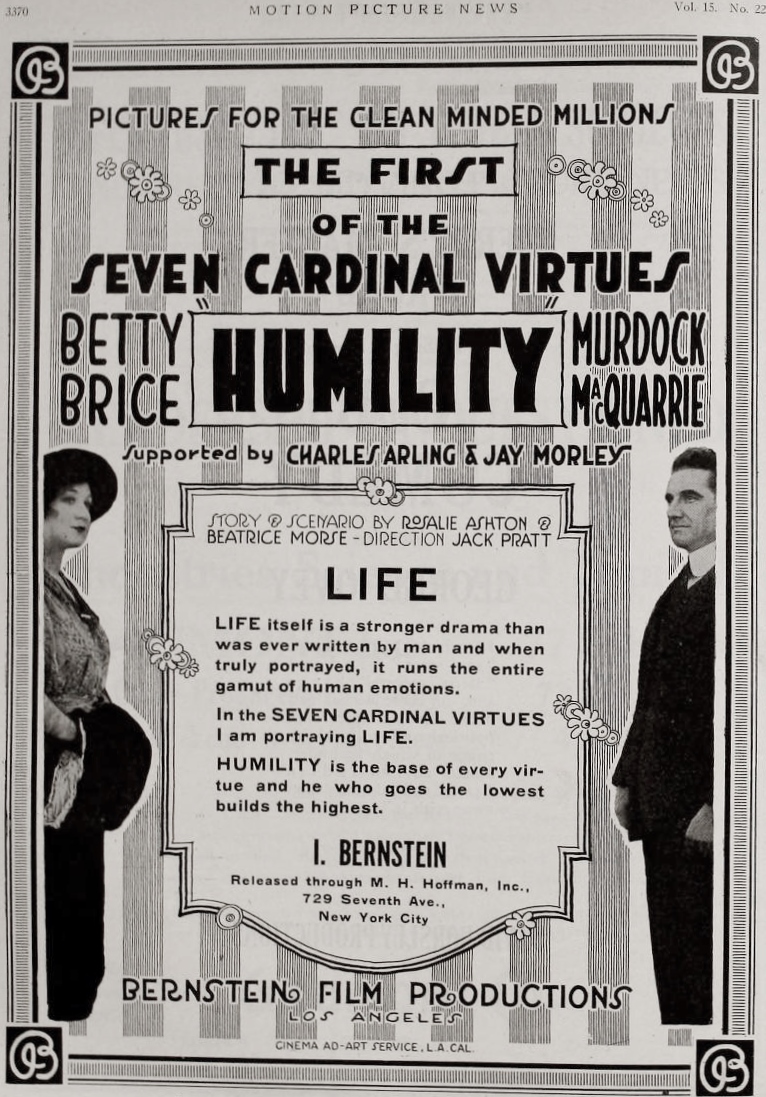
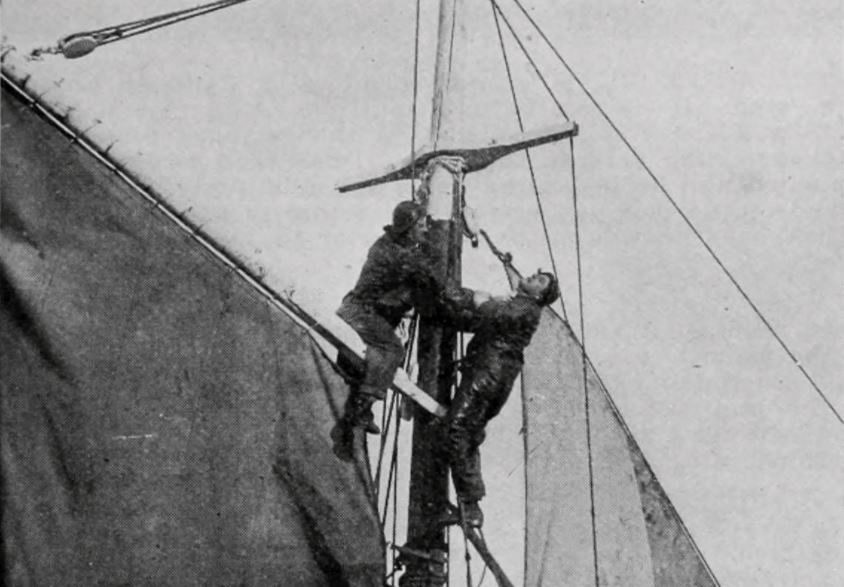
A gaunt clerk named Ezra Grady—skin like parched parchment, eyes forever lowered—works beneath the gas-jets of a provincial counting-house where ink freezes on the nib. His days are columns of figures; his nights are spent nursing a consumptive wife whose cough decorates the garret with bloody arabesques. When the local magnate’s silk-clad daughter is thrown from her skittish mare, Ezra instinctively steadies the animal, earning a murmured ‘thank you’ that detonates inside him like a cathedral bell. Rumor, that itinerant poisoner, whispers the orphan clerk into a caricature of ambition: the papers call him ‘fortune-hunter’, the drawing-rooms dub him ‘parvenu gargoyle’. Betrayed by a fellow clerk who forges receipts in Ezra’s name, he is hurled into the fog-draped streets, a scapegoat cloaked in disgrace. From dockside doss-house to windswept mission hall, he descends concentric circles of Edwardian ignominy, each rung lower than the last, until the only ladder left is the gallows of his own remorse. Yet the film withholds the expected saccharine resurrection; instead, it threads a trembling needle of grace through the eye of social damnation, letting Ezra discover that humility is not a coat to be donned for advancement but a second skin that burns when you try to shed it. In chiaroscuro tableaux—lanterns guttering against tenement brick, rainwater diluting ink on a dismissal letter—director Murdock MacQuarrie orchestrates a passion play where every kindness is paid for in coin of isolation, and the final benediction is merely the permission to keep breathing without applause.
Review Excerpt
"
Forgive the bluntness: most silent melodramas age like newspaper left under a rain-spout—brittle, bleached, illegible. Humility, however, still bleeds. Shot on orthochromatic stock that turns human lips into bruised slate, the picture turns every close-up into an X-ray of the soul. When Jay Morley’s Ezra stands before a cracked mirror, his reflection fractures into three selves—clerk, husband, accused embezzler—each shard held together only by the fraying collar around his throat. The moment l..."