DbcultAccessing Vault...
5.5/10
Senior Film Conservator
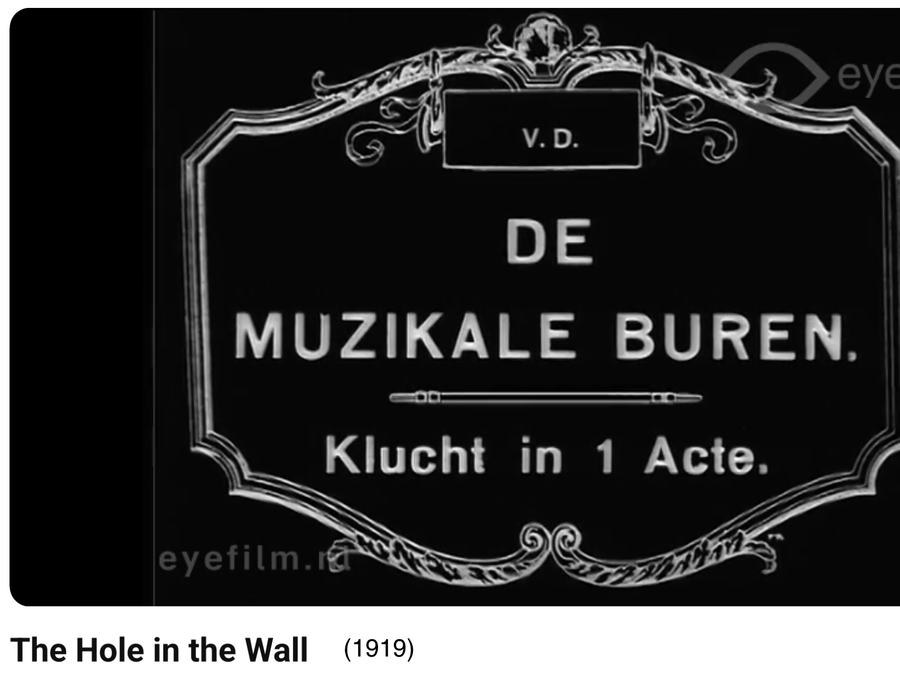
A definitive 5.5/10 rating for a film that redefined the boundaries of cult cinema. Hole in the Wall remains a cornerstone of transgressive art.
From the opening frame, Hole in the Wall thrusts the viewer into a claustrophobic hallway where the walls themselves seem to pulse with the discordant notes of the next‑door family. Babe Nathan’s artist, a man of quiet contemplation, is rendered almost mute by the relentless brass section that leaks through the plaster like an unwanted soundtrack. The film’s visual language—sharp, high‑contrast shots of dripping paint and splintered drywall—mirrors the protagonist’s mounting irritation.
\n \nThe moment Nathan’s character decides to bore a hole, the narrative pivots from passive endurance to active rebellion. The drill, an ordinary tool, becomes a symbol of artistic agency, a literal opening through which suppressed frustration can be expelled. When the hose erupts, the water does more than soak the musicians; it drenches the audience in a visceral reminder that art can be both creation and destruction.
\n \nJane Bernoudy, cast as the matriarch of the musical family, delivers a performance that oscillates between comic exaggeration and genuine bewilderment. Her shrieks, amplified by a deft sound design, echo the absurdity of a domestic dispute turned theatrical. Steve Murphy’s janitor, a grounding presence, offers a subtle critique of authority: his attempts at mediation are constantly thwarted by the escalating pandemonium, reflecting a broader societal commentary on the futility of bureaucratic intervention in personal conflicts.
\n \nWhen the building’s management summons police, the film shifts tone, injecting a satirical take on law enforcement’s often misplaced priorities. The officers, portrayed with a blend of earnestness and farce, become unwitting participants in the chaos. Their arrival triggers a cascade of slapstick moments—a broken baton, a misfired taser that only adds to the waterlogged disarray. This segment recalls the escalating absurdity found in The Little Liar, where minor deceptions balloon into full‑blown hysteria.
\n \nVisually, the director employs a muted palette punctuated by splashes of the film’s signature hues: the dark orange of the dripping paint, the harsh yellow of emergency lights, and the sea‑blue glow of the hallway’s flickering fluorescents. These colors are not merely decorative; they function as emotional cues, guiding the viewer through moments of tension, humor, and eventual resignation. The choice of a black background for the entire frame enhances the starkness of each color burst, making the chaos feel both intimate and cinematic.
\n \nUnlike traditional comedies that resolve with a tidy reconciliation, Hole in the Wall ends on an ambiguous note. The final shot lingers on the water‑slicked wall, the drill still protruding, and the characters frozen in a tableau of bewildered stares. This open‑ended conclusion forces the audience to confront the lingering question: when does a personal grievance become a communal crisis?
\n \nWhen placed beside films like Az utolsó bohém or The Unpardonable Sin, the satire in Hole in the Wall feels more grounded in everyday reality. The escalation from a simple drill to a police showdown mirrors the way minor neighborhood disputes can spiral into legal battles, a theme explored with far more gravitas in the latter titles.
\n \nThe film’s soundscape is a character in its own right. The initial musical barrage is recorded with a raw, unfiltered quality that makes the audience feel the vibrations in their bones. When the water is unleashed, the hiss of the hose is amplified to a near‑musical crescendo, juxtaposing the earlier discord with a different kind of rhythm—one that is chaotic yet oddly harmonious.
\n \nAt its core, the film interrogates the fragile equilibrium of communal living. The artist’s need for silence to create collides with the neighbor’s need for expression. This tension reflects a larger societal dialogue about the rights of individuals versus the collective good—a conversation echoed in contemporary urban planning debates.
\n \nWhile Nathan’s physical comedy is impeccably timed, the script occasionally leans on slapstick tropes without deeper exploration. A more nuanced look at the neighbor’s perspective could have enriched the narrative, providing a balanced view of the conflict. Nevertheless, the ensemble cast delivers enough charisma to keep the audience invested throughout the pandemonium.
\n \nThe director’s pacing oscillates between rapid, breath‑less cuts during the water fight and lingering, almost static shots when the police arrive. This deliberate alternation heightens the sense of unpredictability, ensuring that viewers never settle into a comfortable rhythm—mirroring the characters’ own lack of equilibrium.
\n \nIn an era where noise complaints and HOA regulations dominate headlines, Hole in the Wall feels surprisingly prescient. It captures the absurdity of modern suburban disputes while delivering laughs that are both crude and clever. The film’s willingness to embrace chaos without offering a tidy moral lesson aligns it with contemporary works that favor realism over sentiment.
\n \nOverall, Hole in the Wall stands as a daring, if uneven, exploration of how a single act of rebellion can cascade into communal upheaval. Its visual flair, strong performances, and unapologetic humor make it a noteworthy entry in the comedy‑drama hybrid genre. For viewers seeking a film that blends slapstick with social observation, this is a must‑watch.
\n
IMDb —
1924
Community
Log in to comment.