DbcultAccessing Vault...
Cult Review
Senior Film Conservator
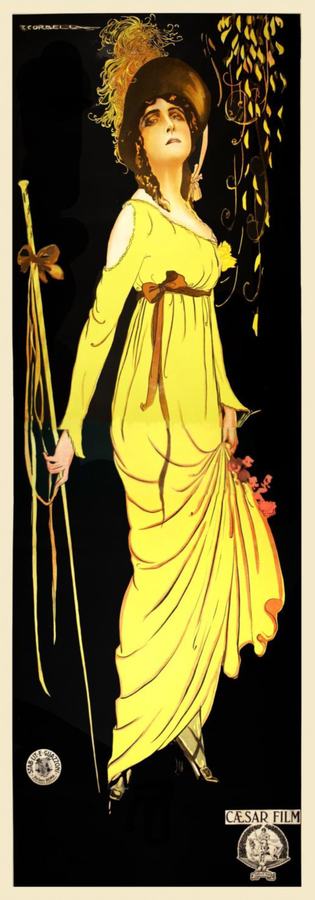
The 1915 cinematic adaptation of Tosca stands as a monumental pillar in the early history of European filmmaking, a period where the 'divismo' movement transformed Italian actresses into ethereal, almost liturgical icons. Directed with a keen eye for the dramatic by Gustavo Serena, this iteration of Victorien Sardou’s play is not merely a historical artifact; it is a visceral exploration of the intersection between personal passion and political tyranny. While contemporary audiences might associate the story primarily with Puccini’s soaring arias, the silent medium offers a unique, gestural intensity that allows the narrative’s inherent cruelty to resonate with a different, perhaps more haunting, frequency.
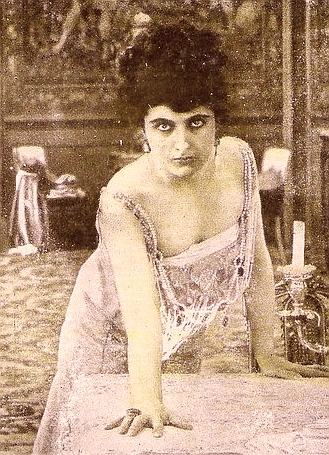
At the heart of this production is Francesca Bertini, whose portrayal of Floria Tosca redefined the capabilities of the silent screen. Bertini does not merely act; she inhabits the frame with a predatory elegance. Her movements are a choreographed language of longing and despair, a stark contrast to the more utilitarian performances found in contemporary American exports like The Life of a Jackeroo. In the legendary scene where she confronts Baron Scarpia, Bertini’s face becomes a canvas of shifting emotions—from the initial shock of Mario's capture to the cold, calculating resolve of a woman who realizes that her only weapon is her own destruction. This is a performance that anticipates the psychological depth of modern method acting, yet remains rooted in the grand tradition of the 19th-century stage.
The chemistry between Bertini and Alfredo De Antoni, who plays Scarpia with a chilling, serpentine stillness, creates a tension that is almost unbearable. Unlike the more overt villainy seen in morality plays like Ten Nights in a Barroom, De Antoni’s Scarpia is a sophisticated monster. He is a man of culture and law who uses the machinery of the state to satisfy his basest instincts. The way he watches Tosca, his eyes lingering with a mixture of aesthetic appreciation and carnal hunger, provides the film with a disturbing sexual undercurrent that remains potent over a century later.
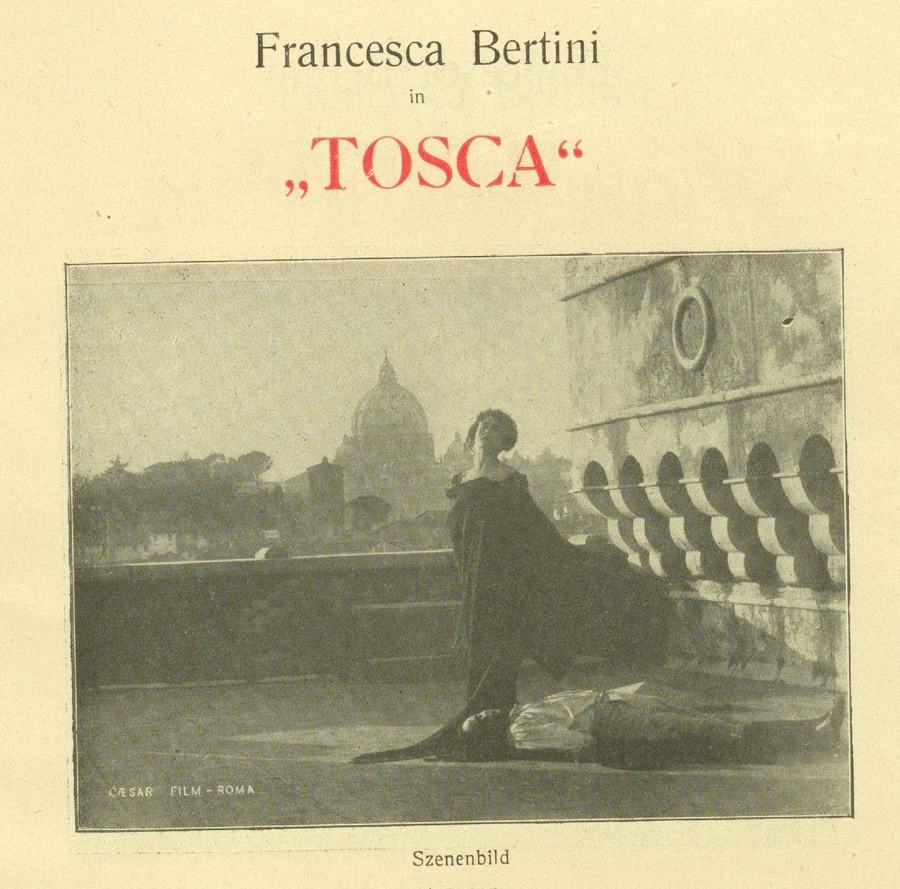
The cinematography in Tosca utilizes the architectural grandeur of Rome not just as a backdrop, but as a silent protagonist. The chiaroscuro lighting—deep blacks contrasting with the stark whites of marble pillars—mirrors the moral dualism of the story. The Sant'Andrea della Valle church is captured with an almost religious reverence, yet its shadows harbor the fugitive Angelotti, suggesting that even the most sacred spaces are not immune to the corruption of the world. This use of location as a thematic amplifier is far more sophisticated than the studio-bound sets of many 1915 productions, lending the film a sense of verisimilitude that anchors the heightened melodrama.
When we compare the scale of this production to later historical epics like Abel Gance’s Napoleon, we see the seeds of the grand European tradition. While Gance would later use rapid-fire editing and triple-screen vistas to capture the Napoleonic era, Serena relies on the static power of the image. The composition of each shot is painterly, reminiscent of the very canvases Mario Cavaradossi works upon within the story. The film understands that in the silent era, the image must speak where the voice cannot, and the visual grammar here is eloquent in its restraint.
Adapting Victorien Sardou for the screen presented a unique challenge. Sardou was a master of the 'well-made play,' relying heavily on intricate dialogue and plot twists. To translate this to a medium without sound required a distillation of the narrative to its emotional core. The screenwriters, including Giuseppe Paolo Pacchierotti, wisely focused on the triangle of obsession between Tosca, Mario, and Scarpia. By stripping away the secondary political subplots that clutter the stage version, the film achieves a streamlined momentum that builds toward its inevitable, crushing climax.
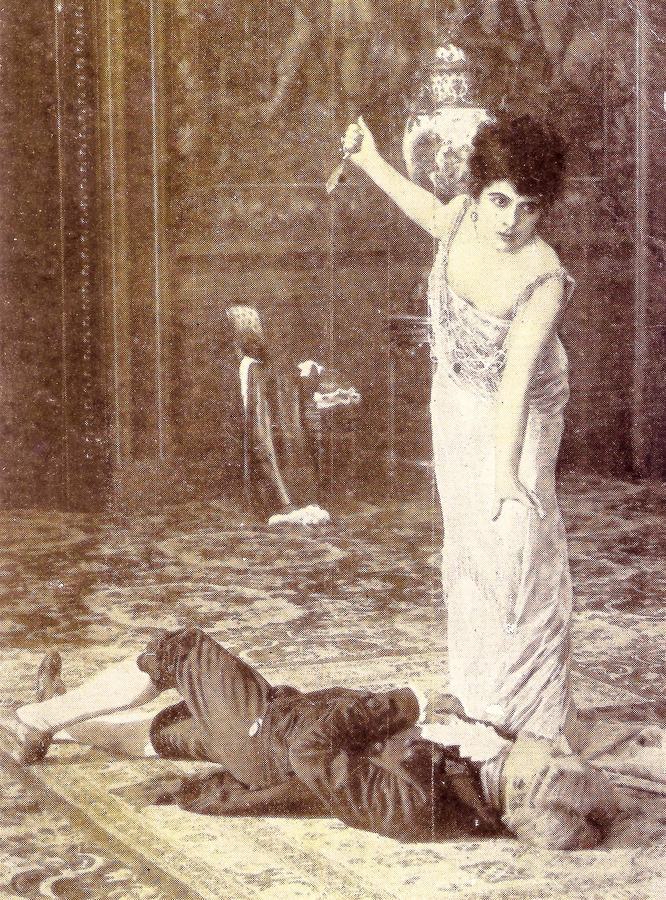
This focus on the 'eternal woman' archetype aligns the film with other contemporary explorations of female agency and suffering, such as The Devil's Daughter. However, where other films might lean into the 'vamp' stereotype, Tosca presents a more complex figure. She is both a victim of a patriarchal system and a woman capable of extreme, decisive violence. The scene where she discovers the knife on Scarpia’s table is a masterclass in suspense; the camera lingers on her face as the realization dawns, the music (even if only in the mind of the viewer) swelling as she prepares to strike a blow for her own liberation.
The final act of Tosca is a grueling exercise in dramatic irony. The 'mock' execution, which the audience knows—or suspects—is a fatal trap, is filmed with a cold, clinical detachment that makes the eventual revelation all the more devastating. As Tosca watches Mario fall, her joy at their perceived escape turning to ash, the film reaches a height of pathos that few silent films could match. The subsequent chase up the ramparts of Castel Sant'Angelo is edited with a surprising kinetic energy, a precursor to the suspense thrillers of the coming decades.
In comparison to the more sentimental endings of films like Little Miss Nobody, the conclusion of Tosca is unapologetically bleak. There is no last-minute reprieve, no divine intervention. The film respects the audience enough to follow its logic to the bitter end. This commitment to the tragedy is what elevates it from mere entertainment to a work of high art. It reflects the burgeoning maturity of the Italian film industry, which was beginning to move away from simple spectacles toward complex explorations of the human condition.
Technically, the 1915 Tosca was ahead of its time. The use of close-ups to convey internal monologue was a burgeoning technique that Serena utilized with great effect. By bringing the viewer into Bertini’s personal space, the film breaks the 'fourth wall' of the theater, creating an intimacy that is the hallmark of cinema. This intimacy is what allows the film to survive its own antiquity. While the costumes and certain flourishes may feel dated, the emotional truth at the center of the film remains piercingly modern.
The legacy of this film can be seen in the way it influenced the 'white telephone' films of the 1930s and even the neorealist movement that followed World War II. It established a tradition of strong, complex female leads that would become a staple of Italian cinema. Furthermore, it demonstrated that silent film could handle 'heavy' literary material without losing its soul. It is a far cry from the escapist fantasies like The World Apart, choosing instead to confront the darkness of the human heart head-on.
In the final analysis, the 1915 Tosca is a triumph of the spirit. It captures a moment in time when the world was on the brink of catastrophic change—much like the era it depicts—and uses that anxiety to fuel its narrative fire. For the modern cinephile, it offers a rare glimpse into the power of the Diva, a phenomenon that burned brightly and briefly, leaving behind a trail of celluloid magic. To watch Bertini today is to witness the birth of the movie star, a figure who can command the screen with a single glance and hold an audience captive through the sheer force of her presence.
This review is part of our ongoing series on the evolution of European melodrama and the pioneers of early silent cinema. For more insights into the era, explore our archives on the transformative power of the image.
IMDb 6.7
1926
Community
Log in to comment.