Summary
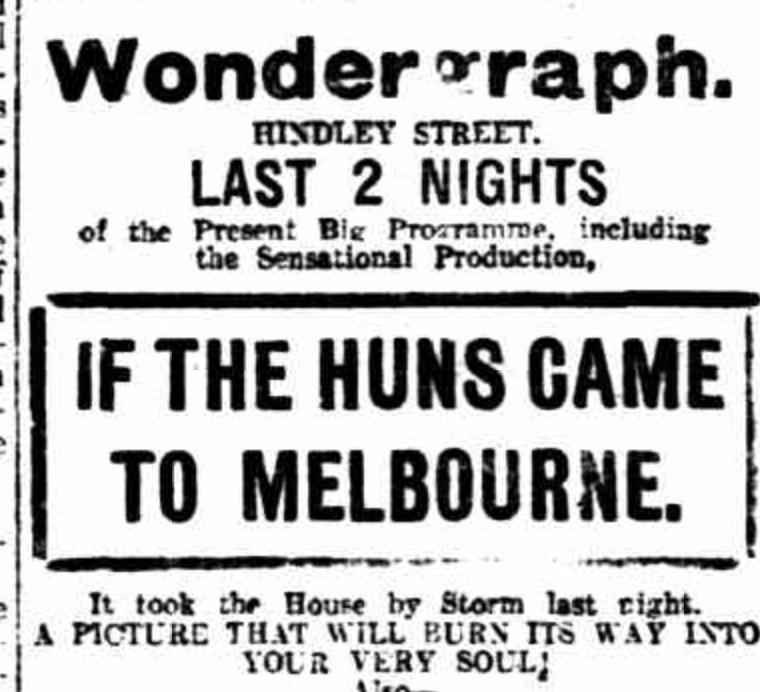
In a disquieting near-future, 'If the Huns Came to Melbourne' meticulously orchestrates the unraveling of a vibrant, unsuspecting metropolis, not by conventional warfare, but by a technologically sophisticated and ideologically fervent nomadic collective dubbed the 'Neo-Huns.' The narrative commences amidst the familiar hum of Melbourne's daily life, a tranquility violently shattered by a calculated electromagnetic pulse that plunges the city into an anachronistic dark age, followed by the swift, brutal arrival of decentralized, highly mobile units. George Coates embodies Elias Thorne, a jaded historian specializing in the collapse of ancient civilizations, whose academic detachment is ruthlessly incinerated by the unfolding reality. Initially a spectator to the cataclysm, paralyzed by intellectual fatalism, Thorne is inexorably drawn into a desperate struggle for survival, becoming an reluctant guide for a disparate band of citizens navigating the now-perilous urban labyrinth. The Neo-Huns, revealed not as conquerors in the traditional sense, but as architects of a radical societal reset, systematically dismantle modern infrastructure and cultural identity, intent on imposing their austere, hierarchical order. Thorne's odyssey transcends mere physical endurance, evolving into a poignant crusade to salvage fragments of human knowledge and intrinsic humanity, pitting his profound historical understanding against a future being savagely rewritten. The film delves with unflinching candor into the profound psychological trauma of witnessing a beloved city's soul being systematically eroded, and the agonizing moral quandaries confronting survivors as they weigh collaboration against resistance, and the preservation of self against the collective memory of a lost world.
Review Excerpt
"
The cinematic landscape occasionally throws forth a work so audacious in its premise, so unflinching in its execution, that it reshapes the very contours of our speculative anxieties. ‘If the Huns Came to Melbourne’ is precisely such a film, a harrowing descent into a meticulously imagined dystopia that feels terrifyingly proximate. It’s a profound meditation on the fragility of civilization, the malleability of identity, and the raw, often brutal, resilience of the human spirit when confro..."