Summary
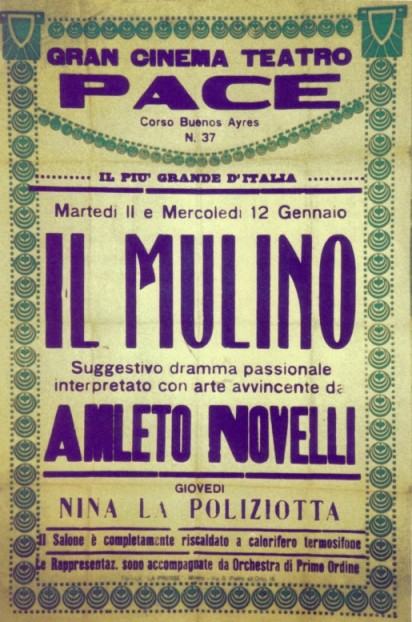
A derelict water-mill on the outskirts of a nameless Po-plain village becomes the rusting axis around which destinies grind like rotting cogs. When the taciturn miller (Nerio Bernardi) is found face-down in the sluice, his daughter Ginevra (Eugenia Cigoli) inherits both the decrepit wheel and a ledger of debts scribbled in fading ochre. Suitors circle: the black-suited notary Albini (Amleto Novelli) brandishing foreclosure papers; the swaggering agronomist Mazzetti (Alfredo Mazzetti) promising mechanized modernity; the tubercular poet Cigoli (Luigi Cigoli) clutching a sheaf of verses soaked in river-water. Ginevra, half-pagan priestess, half-bankrupt heiress, refuses to sell. Instead she re-opens the sluice-gate, letting the river gnaw the foundations while she wanders the moon-drenched catwalks reciting snatches of Dante to the rats. Night by night the mill re-awakens: gears shriek, stones spark, flour drifts like phantom capital through the air. Villagers whisper that the dead miller’s ghost ratchets the machinery, tallying every unpaid scudo with a wooden clack. A child vanishes; a blood-stained sack floats downstream; the notary’s hound refuses to cross the threshold. In the penultimate reel, Ginevra barricades herself inside the grinding room, sets the millstones in reverse, and feeds the ledger pages into the hopper until the river, bloated by spring thaw, bursts the wheel. The final image—an aerial shot worthy of an ecstatic Baroque painting—shows the structure collapsing into its own reflection, white flour blossoming above the black water like a lethal firework. No survivors, no titles, only the river continuing its indifferent murmur toward the sea.
Review Excerpt
"
The first thing that strikes you about Il mulino is the sound of absence: a creak so absolute it seems to echo backward through the perforated emulsion of the 35 mm print. Nobody who watches this 1921 curiosity emerges unscathed; the film leaks into your bloodstream like damp flour, clagging the ventricles. Director-come-occultist Ubaldo Magnaghi never made another picture—rumor claims he walked into the same river his heroine damns—and that single-film career now feels mythic, a stump of cellu..."