Summary
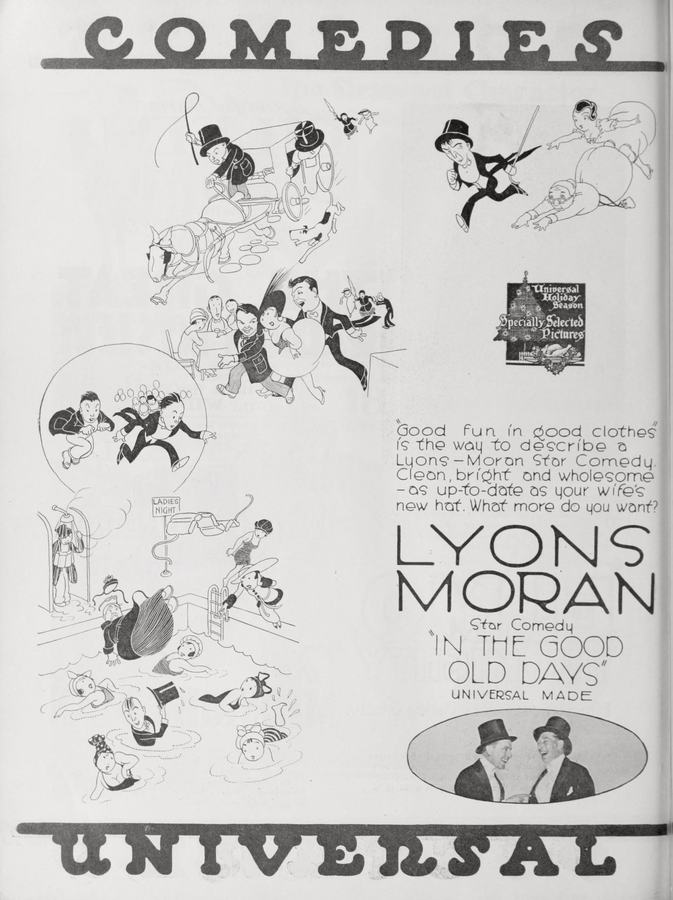
In a poignant elegy to a bygone era, "In the Good Old Days" masterfully renders the indelible chasm between cherished memory and the relentless march of modernity. The narrative centers on Martha and Silas, an elderly couple whose quaint, time-worn cottage stands as a defiant anachronism amidst the burgeoning, impersonal urban landscape. Their lives, a tapestry woven from faded photographs and antique whispers, are a living testament to a simpler time, a sanctuary from the ceaseless clamor of progress. Martha, with a gaze frequently lost in the distant, ever-changing skyline, embodies a quiet melancholy, while Silas, the steadfast romantic, endeavors to preserve their insular world. Their granddaughter, Eleanor, finds herself ensnared in a profound generational conflict, oscillating between an inherent loyalty to her grandparents' hallowed past and the undeniable allure of the vibrant, contemporary future personified by Mr. Sterling, an ambitious developer. Sterling views their humble abode as a mere impediment to his grand urban vision, offering increasingly persuasive sums that appeal directly to Eleanor's desire for her grandparents' secure twilight years. The film unfolds through a series of evocative vignettes, artfully juxtaposing the couple's idyllic recollections of youthful courtships and close-knit community life, rendered in sepia-toned flashbacks, with the sterile, unyielding reality Sterling represents. A pivotal crisis erupts when Sterling issues an ultimatum, threatening legal recourse. This forces Eleanor into a profound introspection, witnessing her grandparents' quiet despair at the prospect of losing not merely a house, but an entire lifetime of shared history. Silas, in a moment of profound, quiet defiance, galvanizes the few remaining old-timers, reminding them of the immeasurable, intangible value of their collective heritage. The climax culminates in a deeply moving community gathering at the cottage, where Silas and Martha's shared narrative evokes a collective, visceral longing for the past. Eleanor, galvanized by their unwavering resilience and the palpable weight of history, makes a resolute stand. She appeals to Sterling, not through legalities or logic, but with the sheer emotional resonance of memory and community. The resolution, a bittersweet testament to the inevitability of change, sees the cottage preserved as a historical landmark, a verdant heart amidst the concrete expanse, a living monument to enduring love and the irreplaceable sanctity of memory, allowing past and present to coexist, and Eleanor to finally bridge both worlds.
Review Excerpt
"
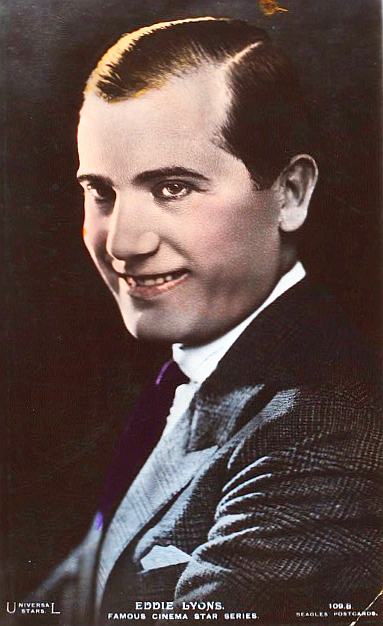
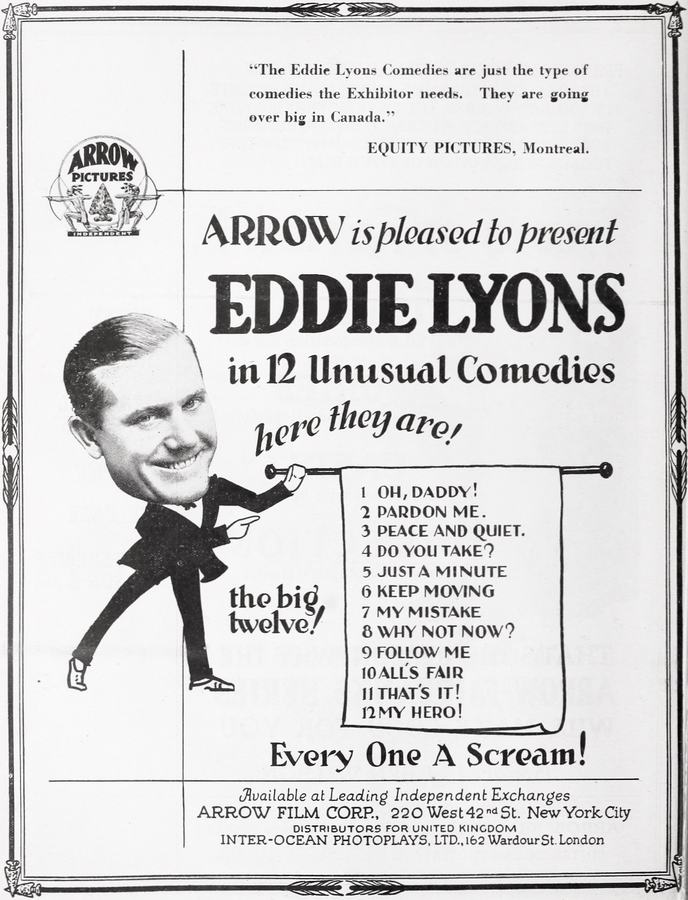
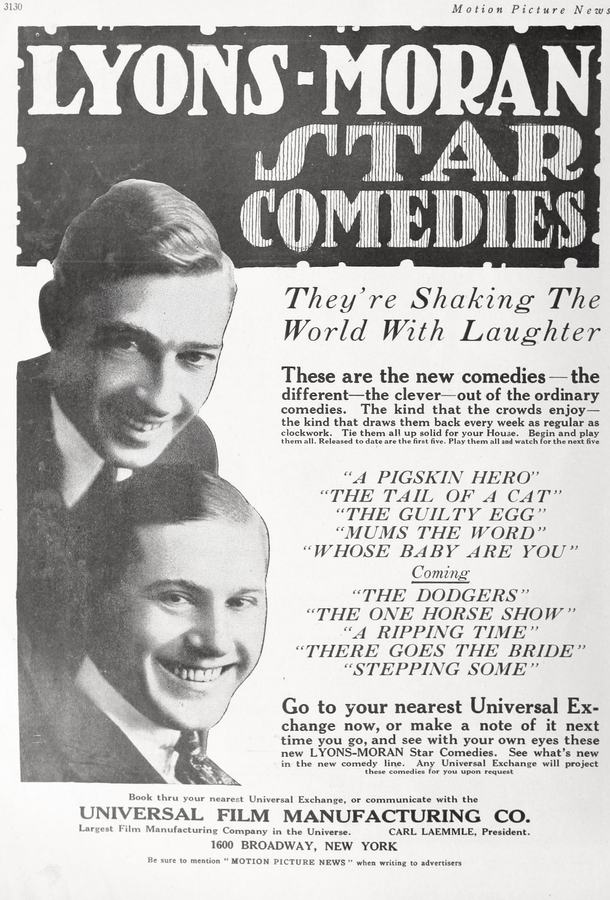
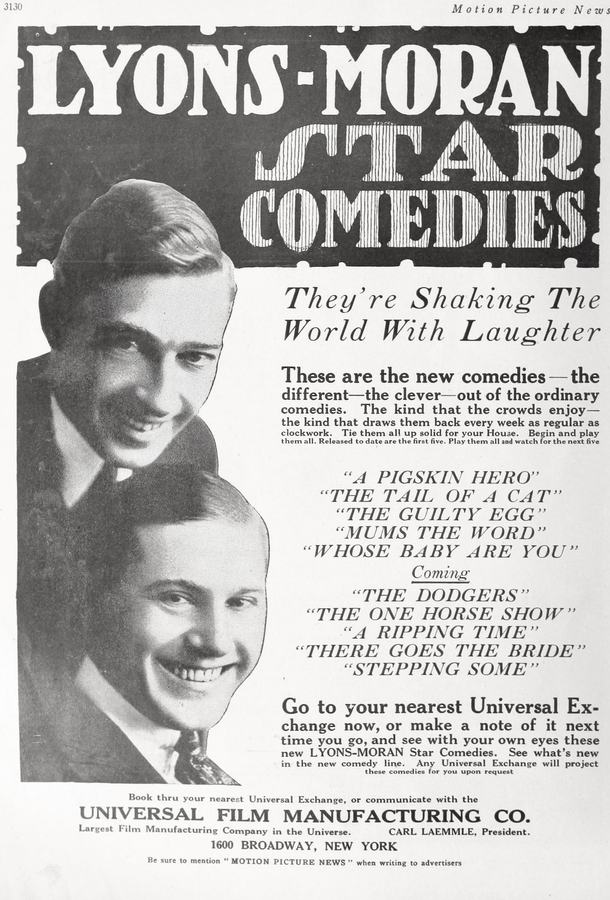
In the annals of early cinema, where narratives often grappled with the seismic shifts of a rapidly industrializing world, "In the Good Old Days" emerges as a profoundly resonant artifact. It's a film that, despite its vintage, speaks with an unnerving prescience to our contemporary anxieties about progress, heritage, and the relentless march of time. Far from a mere sentimental stroll down memory lane, this picture, penned with a keen understanding of human longing by Eddie Lyons and Lee M..."