DbcultAccessing Vault...
Cult Review
Senior Film Conservator
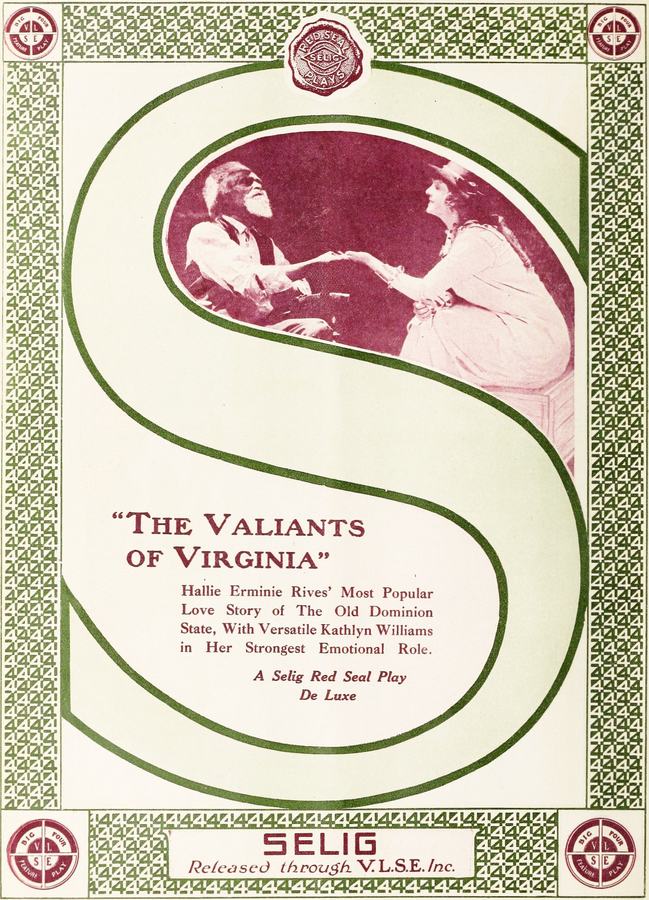
In the nascent years of American cinema, few narratives captured the friction between the agrarian past and the industrial future with as much operatic intensity as The Valiants of Virginia. This 1916 production is not merely a film; it is a repository of cultural anxieties, a celluloid examination of the 'Lost Cause' mythology refracted through the lens of early 20th-century melodrama. The film opens with a sequence of high-society elegance that serves as a fragile veneer for the volatile codes of honor that governed the Southern aristocracy. Here, the 'Code Duello' is not an antiquated relic but a living, breathing mechanism of social regulation.
The cinematography, though primitive by modern standards, possesses an ethereal quality that elevates the domestic spaces of Virginia into something akin to a sacred landscape. When John Valiant stands to defend Judith Fairfax, the camera captures a sense of inevitability. The duel itself is staged with a restraint that heightens the psychological tension, focusing less on the mechanics of the violence and more on the internal erosion of the participants. Unlike the swashbuckling bravado seen in The Perils of Pauline, this film treats the conflict as a somber, almost liturgical event.
Central to the film’s enduring power is the character of Major Bristow, played with a simmering, quiet malevolence. Bristow represents the moral rot that can exist within the framework of traditional chivalry. By pocketing John’s explanatory note, he transforms a tragic accident into a lifelong exile. This act of suppression is the narrative engine that drives the second half of the film, creating a vacuum where truth should exist. It is a theme of obfuscation that we see echoed in other period dramas like The Secret of the Swamp, where the landscape itself seems to swallow the secrets of the protagonists.
Bristow’s motivation—a primal, unrequited desire for Judith—is handled with a degree of nuance that avoids the mustache-twirling tropes of the era. He is a man trapped by his own cowardice, forced to maintain a lie for decades. The psychological weight of this deception is palpable in the performance, suggesting that the villainy in The Valiants of Virginia is not born of external malice but of internal deficiency. This nuanced approach to characterization sets it apart from the more binary morality found in The District Attorney.
The transition to the North introduces a stark aesthetic shift. The lush, soft-focus vistas of Virginia are replaced by the rigid, geometric lines of the Valiant Corporation. John Valiant, Sr. has channeled his grief and guilt into the cold machinery of commerce, a transformation that reflects the broader American shift from a landed gentry to a mercantile power. This thematic duality is a hallmark of Hallie Erminie Rives’ writing, exploring how the spirit is often sacrificed at the altar of progress.
When John Jr. enters the frame, we see a character who is the physical embodiment of this new world. He is a man of spreadsheets and stock tickers, yet he carries an ancestral yearning he cannot name. His engagement to Katherine Fargo is presented as a transaction—a union of wealth rather than souls. The subsequent financial panic that strips him of his fortune is a masterfully executed sequence of mounting dread. The film utilizes cross-cutting to highlight the frantic energy of the stock exchange, a technique that was still being refined in 1916. For those interested in early cinematic depictions of financial ruin, The Lion and the Mouse provides an excellent point of comparison for its portrayal of the ruthless elite.
The narrative reaches its emotional zenith when John Jr. retreats to the Virginia estate. This is not merely a geographic return but a spiritual homecoming. The introduction of Shirley Dandridge, Judith’s daughter, creates a sense of karmic symmetry. Shirley is the living legacy of the woman his father loved, and their burgeoning romance is portrayed with a delicate, almost pastoral beauty. The chemistry between the leads is bolstered by the use of natural lighting, which bathes the Southern scenes in a warm, nostalgic glow.
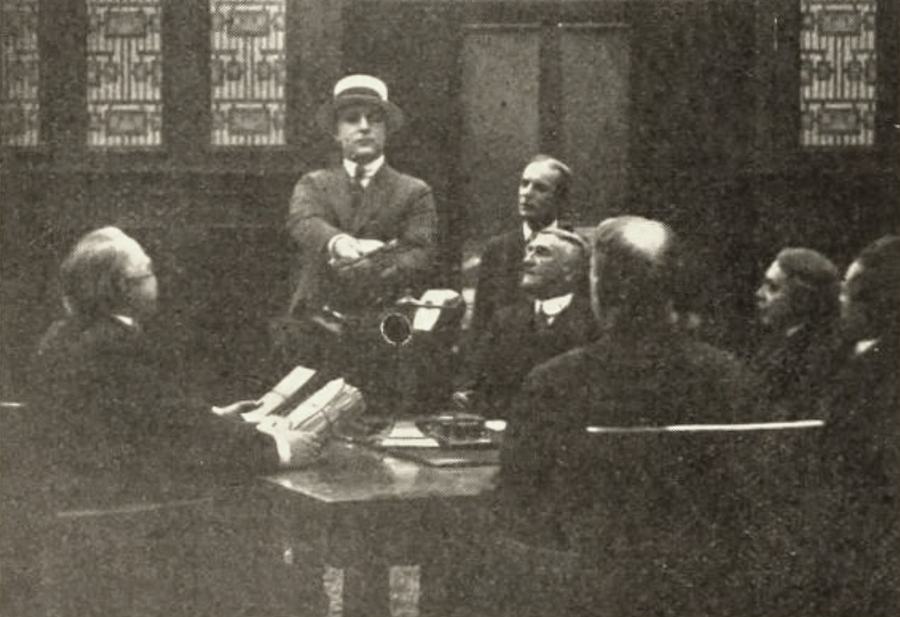
However, the past is a tenacious specter. Katherine Fargo’s intervention, fueled by a jilted lover’s spite, brings the ancient feud back into the light. This conflict highlights the film's central thesis: that the sins of the father are not just moral burdens but social ones. The cooling of Shirley’s affection toward John Jr. is a poignant reminder of how easily history can be weaponized. This dynamic of intergenerational conflict is a recurring motif in silent cinema, often explored with similar gravity in Are They Born or Made?.
The direction of The Valiants of Virginia exhibits a sophisticated understanding of spatial relationships. The director uses deep staging to allow multiple layers of action to unfold within a single frame, a technique that would later be perfected by masters like Welles but was already being pioneered here. The use of tinting—specifically the amber hues for the Virginia sun and the cool blues for the Northern nights—adds a layer of emotional resonance to the viewing experience.
Furthermore, the film’s pacing is remarkably modern. While many silents of this period suffer from a certain theatrical stagnation, The Valiants of Virginia moves with a rhythmic purpose. The editing during the climax, as the truth of the duel is finally revealed, creates a sense of breathless urgency. It is a far more refined experience than the somewhat disjointed narrative found in The Pursuit of the Phantom. The film understands that the revelation of a secret is as much a visual event as it is a narrative one.
The resolution of the plot through Major Bristow’s deathbed confession is a classic melodramatic device, yet it is executed here with a profound sense of gravity. The physical decay of the Major serves as a metaphor for the rotting lie he has harbored. When he finally relinquishes the letter, it is as if a curse has been lifted from the land itself. The revelation that Sassoon shot himself—that John Valiant was innocent of the blood-debt—recontextualizes the entire history of the two families.
This moment of catharsis is handled with a visual restraint that avoids the histrionics common to the era. The focus remains on Judith’s reaction—a complex mixture of relief, regret, and the sudden realization of a life misspent in hatred. It is a powerful performance that resonates with the same emotional weight as the reconciliations in Hearts United. The final reconciliation between John Jr. and Shirley is not just a romantic union but a symbolic healing of the North-South divide, a theme that was particularly resonant in a post-Reconstruction America.
The Valiants of Virginia stands as a testament to the power of silent storytelling. It navigates complex themes of honor, deception, and the inexorable pull of the past with a sophistication that belies its age. The film serves as a crucial bridge between the Victorian sensibilities of the 19th century and the burgeoning modernism of the 20th. It is a work of profound cinematic importance, offering a window into the soul of a nation still grappling with its own identity.
For the modern viewer, the film offers more than just historical interest. It is a gripping drama that utilizes the full vocabulary of early cinema to tell a story that is both intimate and epic. While it shares some DNA with other fugitive narratives like The Fugitive, its focus on the redemptive power of truth gives it a unique moral stature. It remains a vital piece of film history, a shimmering example of how the flickering shadows of the past can still illuminate the complexities of the human heart. Whether viewed as an art critic's curiosity or a blogger's rediscovered gem, The Valiants of Virginia demands to be seen, analyzed, and cherished.
IMDb 6.2
1928
Community
Log in to comment.