DbcultAccessing Vault...
6.1/10
Senior Film Conservator
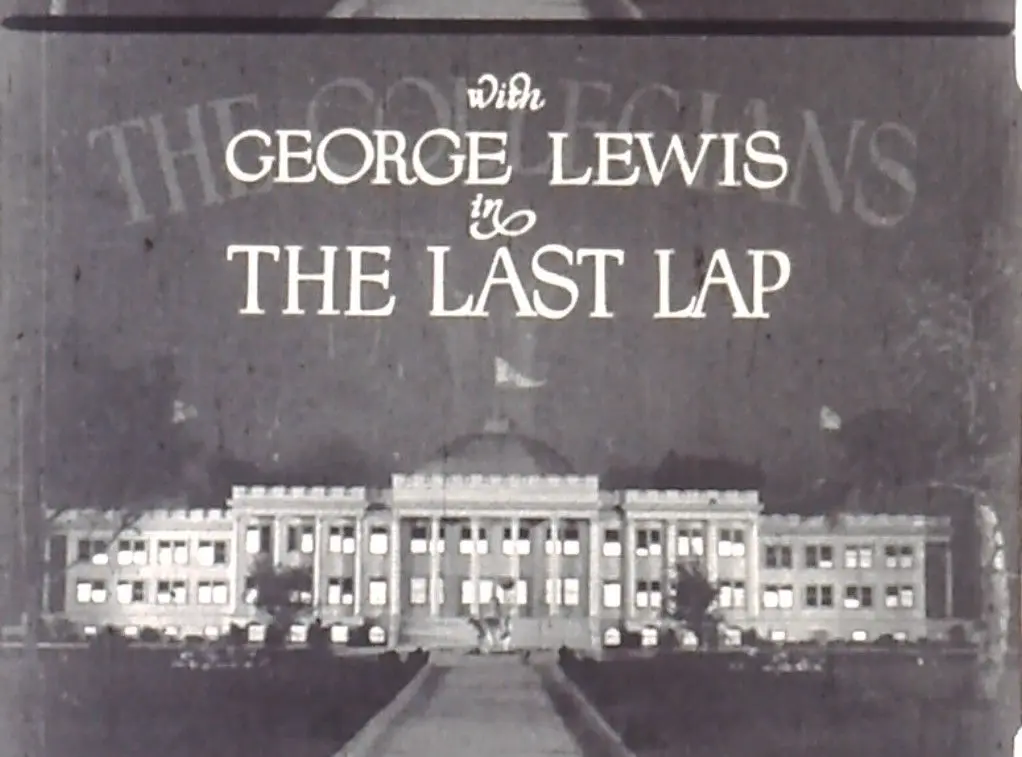
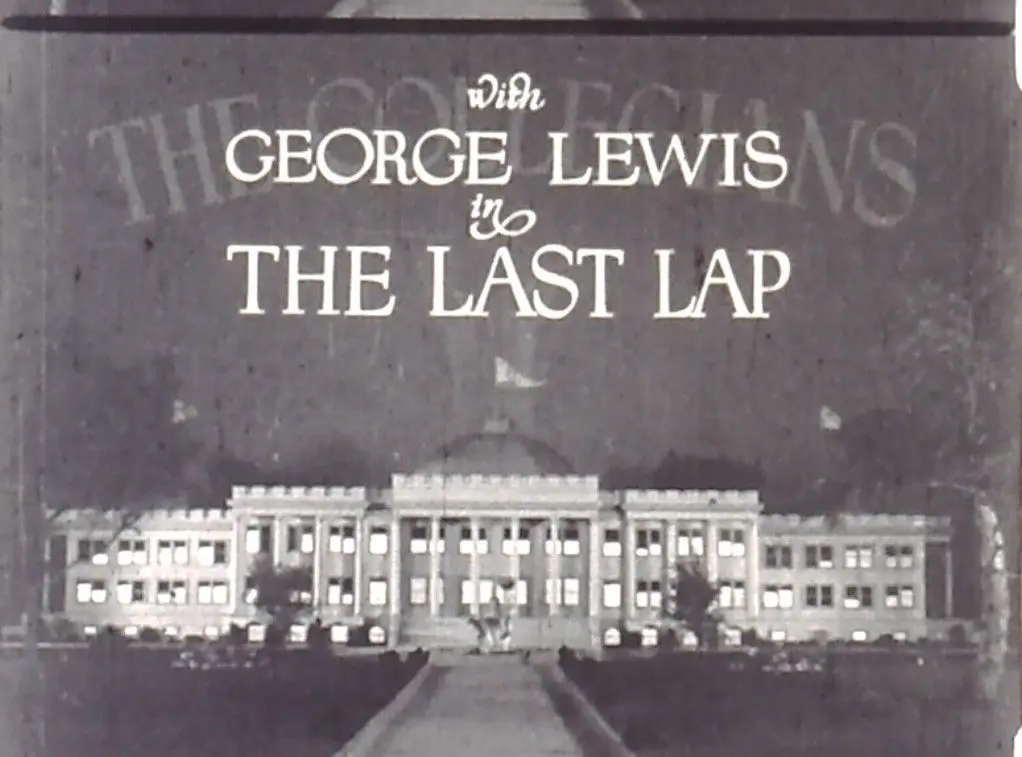
A definitive 6.1/10 rating for a film that redefined the boundaries of cult cinema. The Last Lap remains a cornerstone of transgressive art.
Is The Last Lap worth watching today? Short answer: yes, but with a significant caveat. This early cinematic offering from a bygone era serves as a fascinating artifact, a window into the nascent stages of narrative film, but it demands an audience willing to appreciate its historical context over modern pacing or complex character arcs.
It’s a film for the dedicated cinephile, the academic, or anyone curious about the foundational elements that built the Hollywood we know. It is decidedly not for those seeking fast-paced action, sophisticated dialogue, or a story free of the occasional, charmingly dated trope. Approach it as a historical document with a beating heart, and you might find yourself surprisingly engaged.
This film works because it taps into a timeless narrative — the underdog’s struggle against an unfair system, fueled by personal integrity and romantic support. It’s simple. It works.
This film fails because its execution, while commendable for its time, often sacrifices genuine emotional depth for broad strokes of character and predictable plot progression. The subtlety we crave today is largely absent.
You should watch it if you are interested in the evolution of cinema, enjoy early sports dramas, or appreciate stories where clear moral lines are drawn between good and evil.
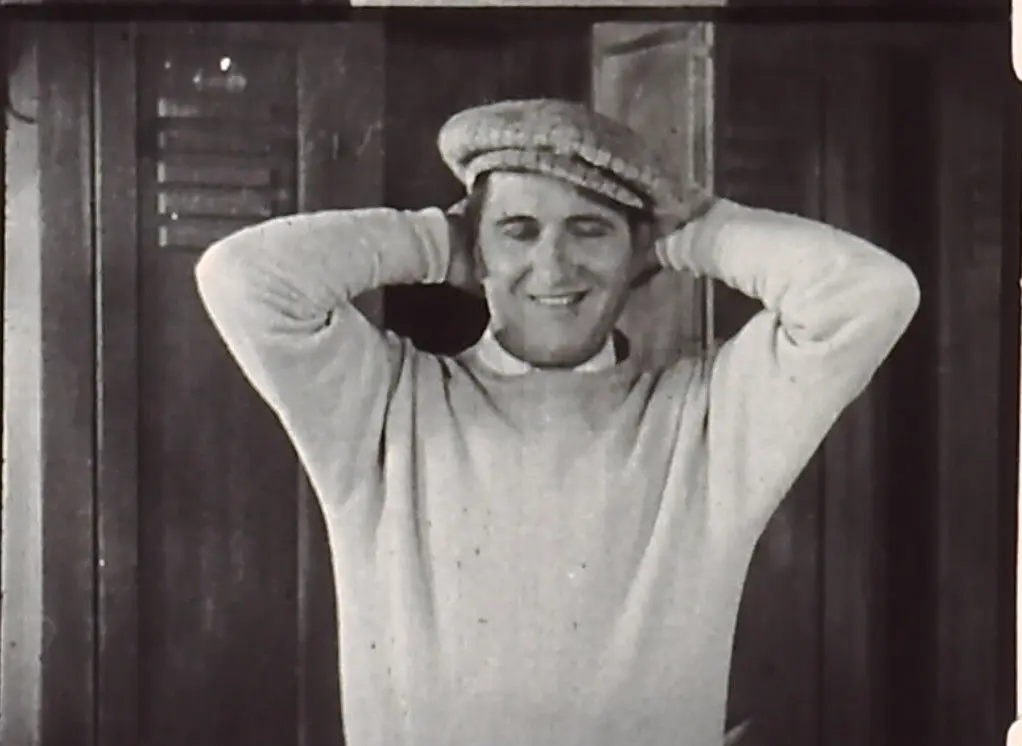
At its core, The Last Lap is a straightforward tale of collegiate rivalry, a staple even in the early days of filmmaking. We are introduced to Ed Benson, a freshman whose earnest ambition to compete in a crucial race is immediately challenged by a belligerent sophomore bully. This setup, while archetypal, immediately establishes a clear conflict that resonates with universal experiences of unfairness and the desire to prove oneself.
What elevates The Last Lap beyond a mere sports drama of its era is the surprisingly active role of Ed's sweetheart. Rather than remaining a passive observer or a mere prize for the victor, she becomes an integral part of the narrative engine. Her decision to investigate the bully's 'dirty tricks' introduces a detective element that feels remarkably forward-thinking for a film of this period.
This subplot, driven by her intelligence and initiative, shifts the focus from purely physical prowess to a battle of wits and ethics. It’s a smart move by the writing team, including George H. Plympton and Gardner Bradford, that injects a layer of intrigue often missing from simpler morality plays of the time. The race itself becomes not just a test of speed, but a culmination of a broader struggle for justice.
One might argue that the film’s multi-authored screenplay, credited to no less than eight writers including Carl Laemmle Jr. and Pierre Couderc, contributes to this narrative breadth. While such a collaborative approach could lead to an uneven tone, here it seems to have fostered a blend of conventional sports drama with an unexpected twist of amateur sleuthing. This blend keeps the audience invested, not just in the outcome of the race, but in the uncovering of truth.
The acting in The Last Lap, as is often the case with films of its vintage, leans heavily into broad, expressive gestures and clear-cut characterizations. Subtlety, a hallmark of modern acting, is largely absent, replaced by a theatricality that was well-suited for silent or early sound cinema, where emotions needed to be easily deciphered by audiences from a distance.
Hayden Stevenson, as the freshman Ed Benson, embodies the earnest underdog with a boyish charm that is both endearing and occasionally a touch naive. His performance relies on conveying determination through focused gazes and resolute posture. In moments leading up to the race, you can practically see the resolve etched onto his face, particularly in a scene where he defiantly meets the bully's sneer, a quiet power simmering beneath his youthful exterior.
Charles Crockett, playing the sophomore bully, delivers a performance that is exactly what the role demands: overtly menacing and perpetually sneering. He is the antagonist personified, leaving no doubt as to his villainous intentions. His physical posturing, often seen with hands on hips or a dismissive wave, effectively communicates his arrogance without needing a single line of dialogue to explain it.
Perhaps the most compelling performance, or at least the most progressive character, comes from Dorothy Gulliver, likely portraying Ed's sweetheart. Her portrayal is not just one of supportive affection but of active intelligence. Instead of merely fretting on the sidelines, she demonstrates agency. A particular scene where she furtively collects a piece of evidence, perhaps a discarded note or a suspicious object, showcases a quiet intensity that hints at a character far more capable than her era's typical female counterparts. This proactive stance, while perhaps not groundbreaking by today's standards, was a refreshing departure at the time, offering a glimpse of female characters who could drive narrative in ways beyond romance.
The supporting cast, including Sally Blane and Churchill Ross, fill their roles adequately, contributing to the collegiate atmosphere. While their characters might lack the depth of the leads, they effectively build the world around Ed and his rival, creating a believable, if somewhat idealized, campus environment. Their reactions during the race, captured in quick cuts, serve to amplify the tension and excitement, drawing the audience further into the drama.
The directorial choices in The Last Lap, while constrained by the technological limitations of early cinema, are surprisingly effective in conveying both the thrill of the race and the emotional stakes. The film doesn't shy away from dynamic camera work, utilizing tracking shots alongside the runners to impart a sense of speed and immediacy. While not as fluid as modern Steadicam work, these sequences are commendable for their era, creating a visual rhythm that builds anticipation.
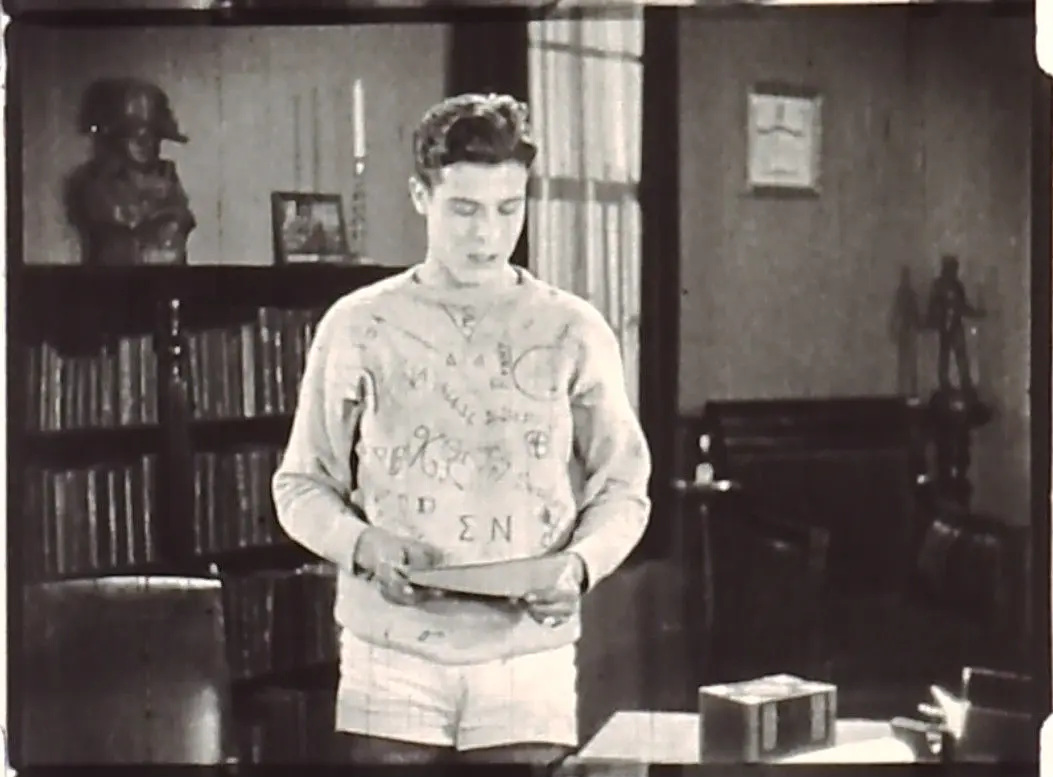
The cinematography, likely in black and white, uses stark contrasts to highlight key moments. Close-ups on the faces of the competitors, particularly Ed and his bully, are employed strategically to convey their determination, exhaustion, and malice. A shot of the bully's contorted face mid-race, perhaps catching a glimpse of Ed gaining on him, is particularly effective in communicating his desperation and fear of defeat.
Pacing is another area where the film demonstrates a surprising understanding of narrative flow. The build-up to the titular 'last lap' is meticulously crafted, interspersing scenes of the sweetheart's investigation with training montages and moments of escalating tension between the rivals. This allows the audience to feel the weight of the upcoming race, transforming it from a simple athletic event into a climactic battle for honor and justice. The editing during the race itself, though perhaps rudimentary by contemporary standards, uses quick cuts between the runners, the crowd, and the determined sweetheart to create a sense of urgency and excitement. It’s not just about who crosses the finish line first; it’s about the journey to get there.
The enduring appeal of The Last Lap, despite its age, lies squarely in its clear and unwavering thematic core: the timeless battle between fair play and foul play. This isn't a film that dabbles in moral ambiguities; it paints its heroes and villains in bold, unmistakable strokes. Ed Benson embodies the spirit of honest competition, hard work, and integrity, while his rival represents the insidious nature of cheating and bullying.
The film serves as a morality tale, a cinematic sermon on the virtues of sportsmanship and the consequences of deceit. This message, delivered with earnest conviction, still resonates today in an era where ethical considerations in sports and life remain highly relevant. The film suggests that true victory isn't just about winning, but about winning justly. This is a powerful, if simple, statement.
While The Last Lap often gets credit for its progressive female character, I argue that the film ultimately pulls its punches, relegating her agency to simply enabling the male hero rather than achieving her own independent victory. Her brilliance serves his triumph, a subtle yet significant distinction that keeps it from being truly revolutionary. It's a step, but not a leap.
The investigation subplot, spearheaded by the sweetheart, further amplifies this theme. It's not enough for Ed to simply run faster; the external forces of injustice must also be exposed and neutralized. This adds a layer of depth, transforming the personal rivalry into a broader commentary on institutional fairness, or the lack thereof. It's a surprisingly sophisticated touch for a film that could have easily settled for a straightforward 'good guy wins' narrative.
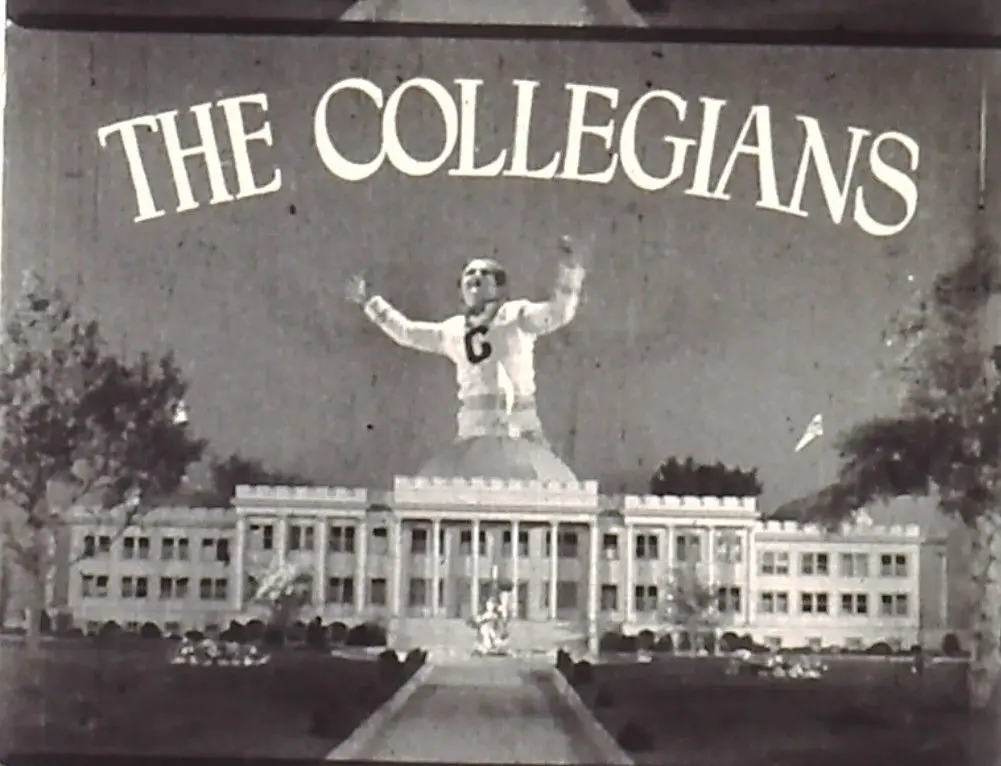
Watching The Last Lap is like stepping into a time machine, offering invaluable insights into the filmmaking practices of its era. The collaborative writing process, with a long list of contributors, speaks to a different kind of studio system, perhaps one where ideas were more fluidly exchanged and refined before a singular directorial vision fully took hold. This contrasts with the auteur theory that would dominate later decades, providing an interesting historical perspective.
The film's visual language, its reliance on intertitles (if silent), or its early sound design (if sound), tells a story about the evolution of cinematic grammar. It showcases the foundational techniques that would later be expanded upon and perfected. For instance, the use of parallel editing to cut between the race and the ongoing investigation is a classic narrative device, beautifully demonstrated here in its foundational form.
Comparing it to other films of its period, such as Tol'able Romeo, one can appreciate the diverse range of stories being told and the different approaches to character and plot. While Tol'able Romeo might focus more on rural romance and character study, The Last Lap embraces a more direct, action-oriented narrative within a collegiate setting, highlighting the varied genres taking root in early cinema. It shows that even then, filmmakers were exploring the breadth of human experience through the nascent medium.
Yes, for a specific audience. If you are a student of film history, a dedicated fan of early cinema, or someone who appreciates the foundational elements of storytelling, The Last Lap offers significant value.
It provides a clear example of early narrative structure, character archetypes, and thematic clarity that laid the groundwork for future films. It's a crucial piece of the cinematic puzzle.
However, if your primary interest lies in contemporary filmmaking techniques, complex psychological dramas, or narratives with morally ambiguous characters, this film will likely feel simplistic and dated.
It requires patience and an understanding that its strengths lie in its historical context and its earnest, straightforward approach to a classic underdog story.
The Last Lap is more than just an old film; it’s a foundational text in the library of cinema. It's a testament to the enduring power of simple, well-told stories, even when constrained by the nascent technology of its time. While it won't sweep you off your feet with groundbreaking visual effects or mind-bending plot twists, it offers a sincere and often charming portrayal of a timeless struggle.
For those willing to adjust their expectations and appreciate it for what it is—an early, earnest attempt at cinematic storytelling—there’s genuine enjoyment to be found. Its clarity of purpose, its surprisingly proactive female character, and its unwavering moral compass make it a valuable watch. It’s a piece of history, yes, but one that still has a pulse. It’s not a film to casually stream on a Friday night, but rather one to study, to appreciate, and perhaps, to learn from. It works. But it’s flawed. And that’s precisely why it’s so interesting.
IMDb 7.5
1935
Community
Log in to comment.