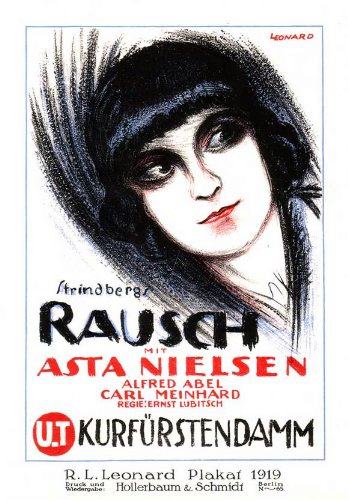
Gaston finally succeeds as a dramatist and decides to leave his wife and child for another woman. When the child dies, the finger is pointed at him and he winds up as a destitute before all is revealed.
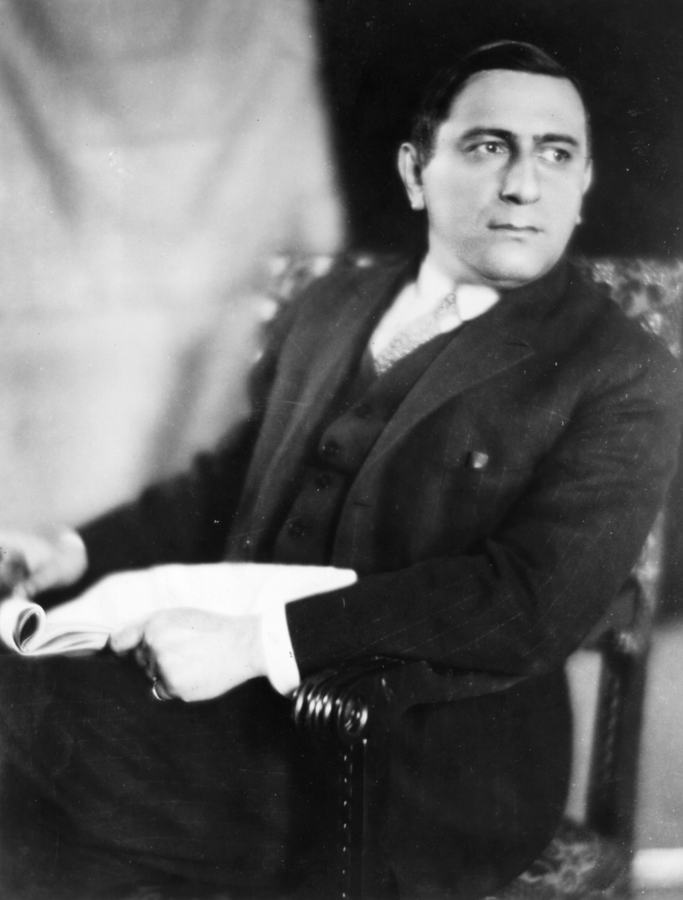
Hanns Kräly, August Strindberg
Germany
The 1919 cinematic adaptation of August Strindberg’s There Are Crimes and Crimes, titled Intoxication (or Rausch), stands as a monumental testament to the burgeoning power of German silent cinema. Directed with a keen eye for psychological claustrophobia, the film navigates the treacherous waters of human ambition an...
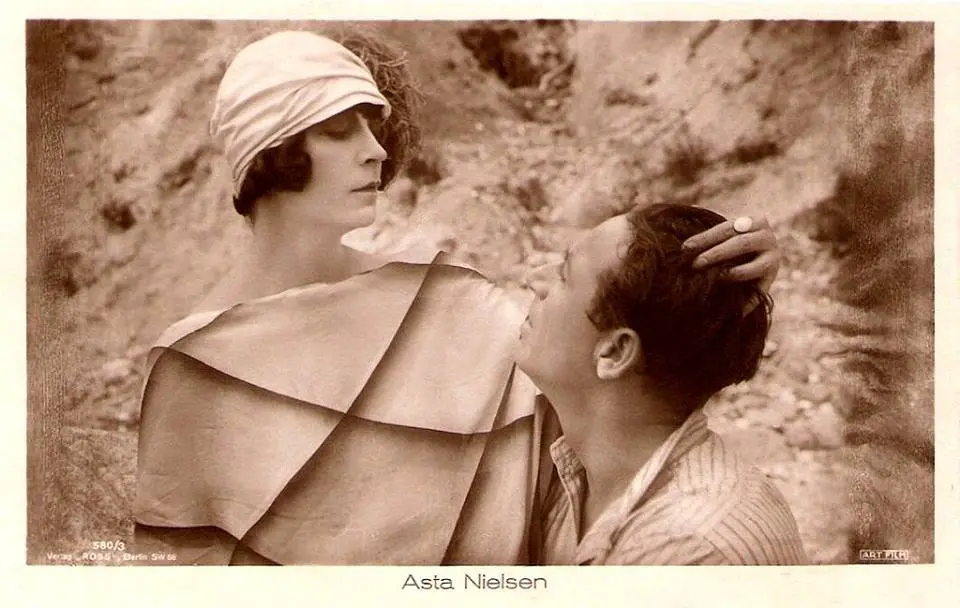
still_frame


Comparing the cinematic DNA and archive impact of two defining moments in cult history.
Ernst Lubitsch
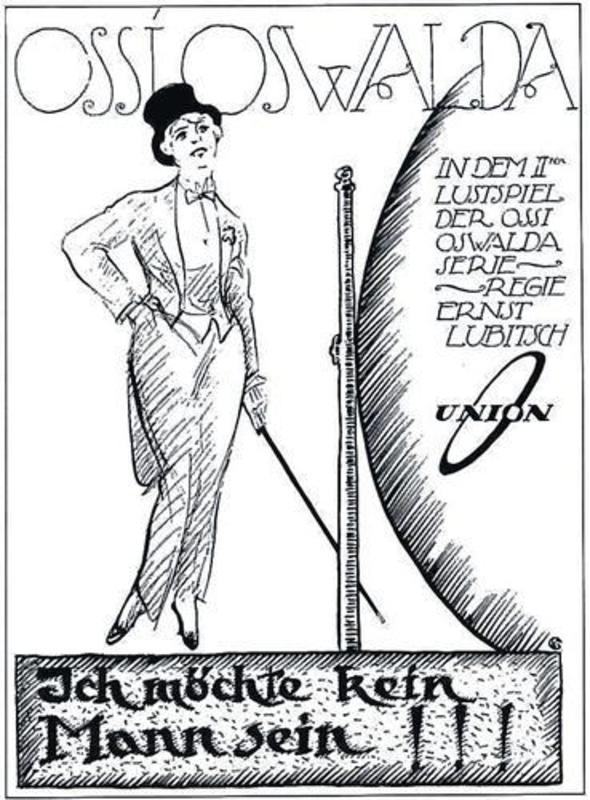
Ernst Lubitsch
Community
Log in to comment.
" The 1919 cinematic adaptation of August Strindberg’s There Are Crimes and Crimes, titled Intoxication (or Rausch), stands as a monumental testament to the burgeoning power of German silent cinema. Directed with a keen eye for psychological claustrophobia, the film navigates the treacherous waters of human ambition and the ephemeral nature of social standing. Unlike the more linear narratives found in contemporary works like The Man Who Woke Up, Intoxication delves into the murky depths of the ..."