Summary
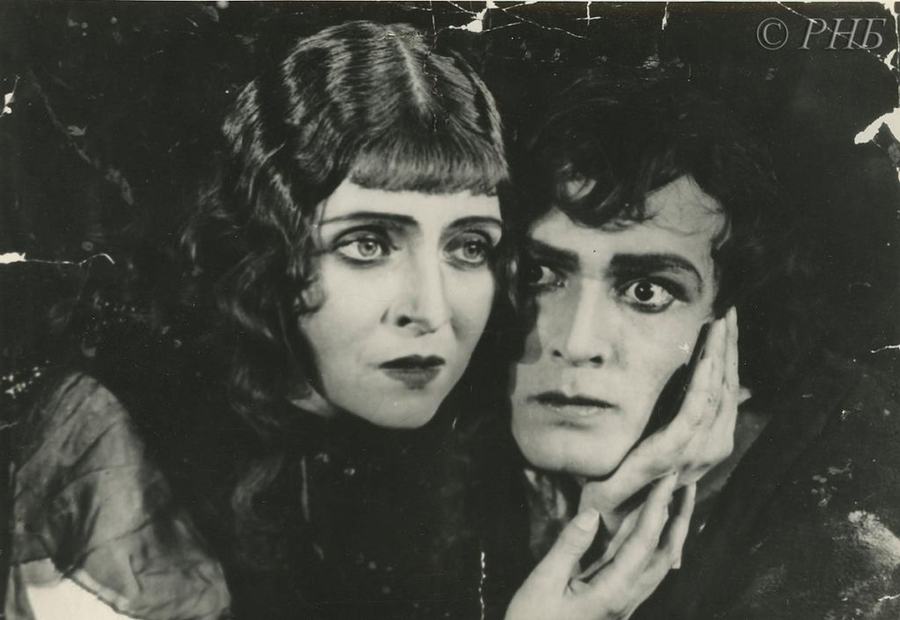
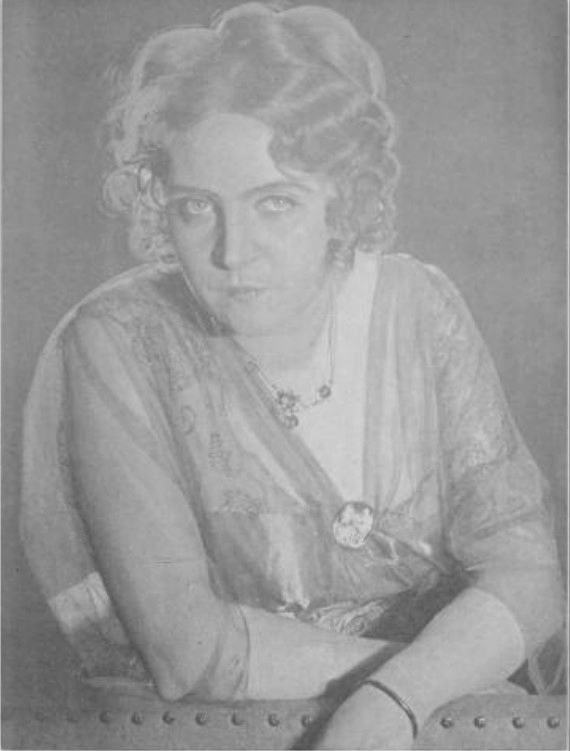
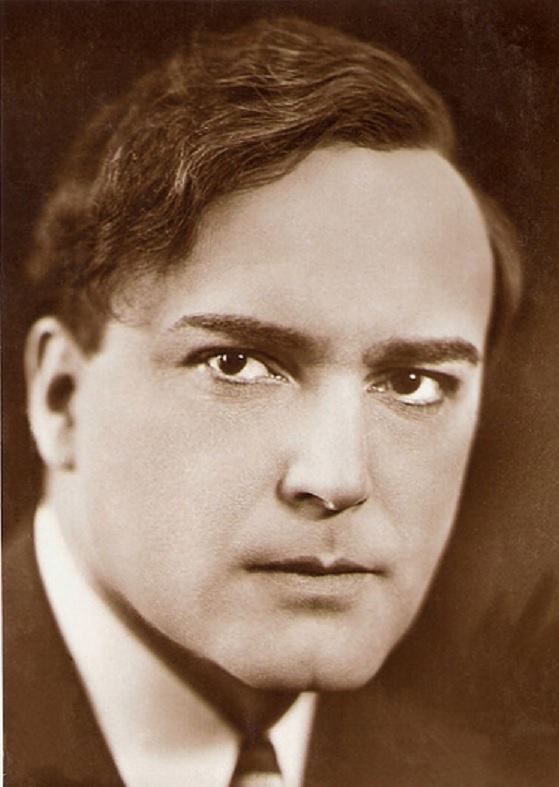
A spectral bride, Iola, glides through candle-blacked corridors of a crumbling Baltic manor as though the very air were velvet; her veil trails ashes of forgotten dynasties. Vladimir Gajdarov’s aristocrat, Andrey, ravaged by neurasthenia and the after-shocks of a suppressed duel, mistakes her for the mirage of a Crimean war-photograph he once kissed in boyhood. Olga Gzovskaya incarnates Iola with a pallor so lunar it seems to refrigerate the celluloid; every glance she casts is a shard of ice chipped from a museum statue. Nikolai Efros’s elliptical script refuses exposition: we learn, in strobing fragments, that Iola was betrothed to Andrey’s half-brother—now skeleton fertilizer in a Turkish mass grave—yet the engagement ring, a chiseled opal humming with opalescent menace, still circles her ring finger, unscathed by putrefaction. The narrative spirals like smoke from a snuffed candelabrum: séances where wax figures melt into prayers, governesses who hum lullabies in extinct Livonian dialects, a library whose encyclopedias bleed maps of vanished empires. When Andrey finally collapses against Iola’s catafalque of lace, the camera tilts ninety degrees: the world becomes a Baroque chapel inverted, gravity reversed, so that tears drop upward into the cupola’s painted eye of God. Efros offers no closure—only an iris-out on Iola’s silhouette dissolving into the Baltic fog, leaving the audience clutching a frosted cameo whose features keep rearranging themselves in the dark.
Review Excerpt
"
A frost-latticed fever dream shot on the eve of the Great War, Iola is less a story than a séance conducted on frayed nitrate.
Imagine, if you can, a film that inhales the mildew of crumbling manor walls and exhales it as silver-tinted breath on-screen. Director-cinematographer Vladimir Gajdarov (also essaying the neurasthenic Andrey) achieves exactly that: every frame feels humid with decay, yet paradoxically dusted in the shimmer of crushed pearls. The year is 1913; Russian cinema still whis..."