DbcultAccessing Vault...
Cult Review
Senior Film Conservator
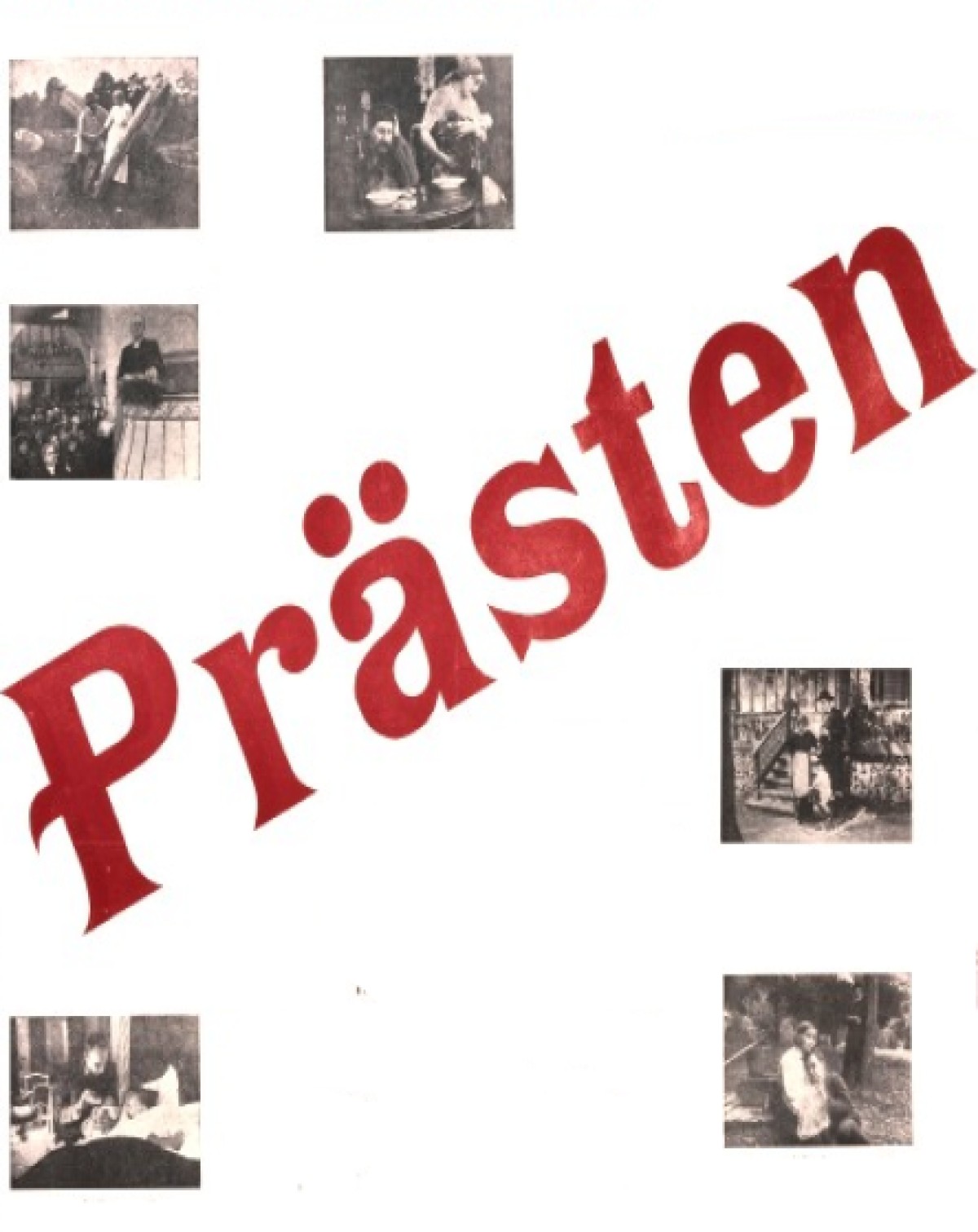
The first time I encountered Saints and Sorrows I expected a quaint morality play about temperance and filial piety; what unfurled instead was a chiaroscuro fever dream that stains the mind like bog-iron on linen. Peter Lykke-Seest, better known in his day for patriotic verse, here trades trumpet blasts for whispers, and the hush is lethal.
The set itself breathes. Timber walls shrink and swell between intertitles, warped by a camera that lingers like a guilty conscience. In one tableau the hearth becomes a tabernacle: Maria’s silhouette haloed by embers while her father’s shadow, stretched twelve feet tall, throttles the ceiling. The cabin is not backdrop but protagonist—every splinter records the archaeology of addiction. When the pastor enters, Bible clasped like a life preserver, the camera dollies backward as though the room itself exhales in dread.
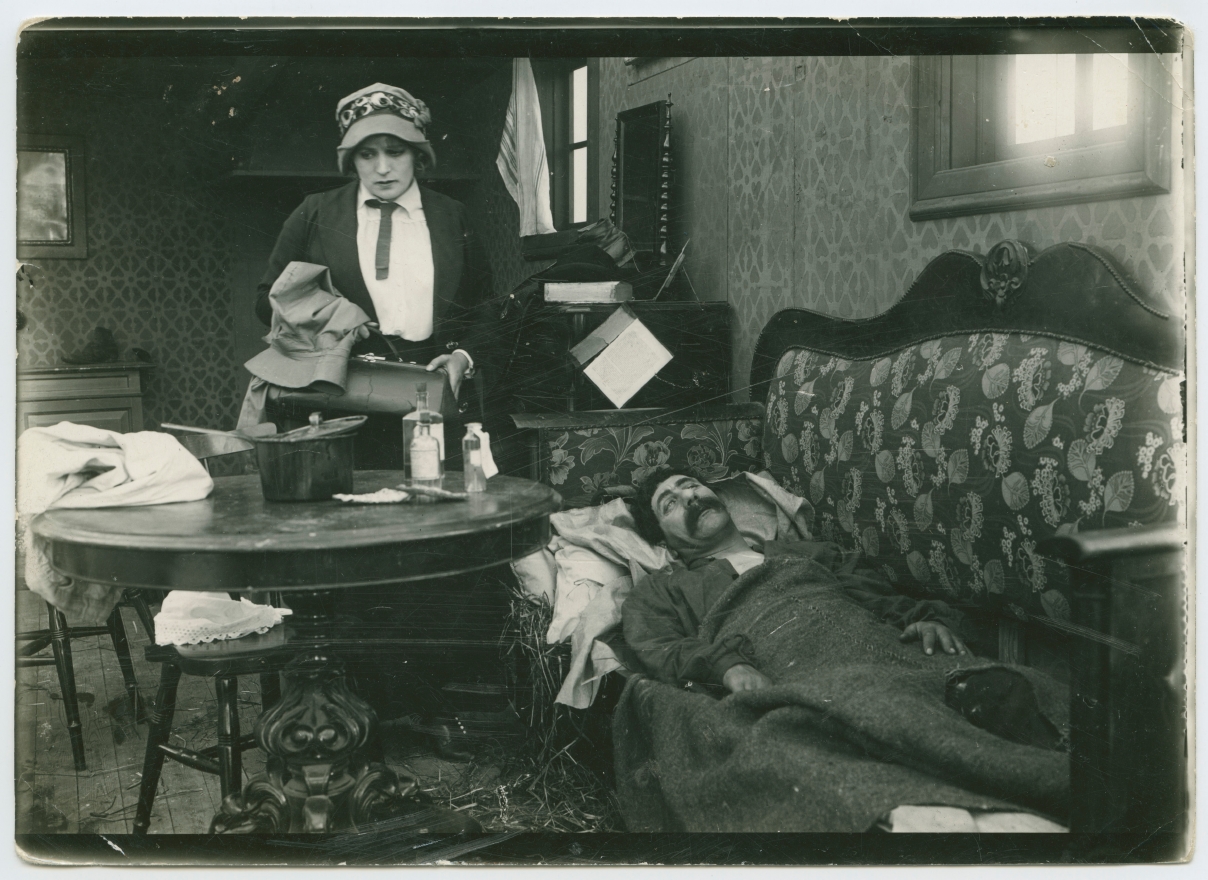
Silent-era acting often ages into mime; Thorell’s performance matures into chant. Watch the micro-tremor in her lower lip when father, sober for the first time in months, mutters her dead mother’s name—grief, terror, and a furtive flicker of hope braid themselves into one spasm. She has the hieratic stillness of Falconetti but swaps the mystic blaze for something colder: the resignation of someone who has read the last page of scripture and found it blank.
Where Hollywood’s drunkards stagger for comic relief, Lykke-Seest charts the sacramental descent: the bottle passed like a chalice, the father’s first swig an inverted communion. Note the cutaway to a spider drowning in spilled aquavit—an image so pitiless it feels documentary. The film predates both Das Recht aufs Dasein and C.O.D., yet its treatment of addiction as familial original sin anticipates the opioid reckonings of a century later.
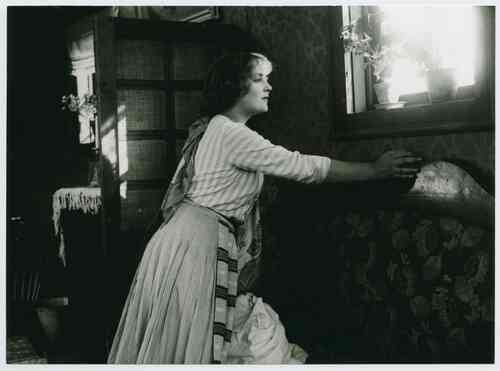
Scandinavian cinema loves its fjords and birch meadows; Lykke-Seest instead invents forest noir. Pines skew like prison bars, snowflakes fall with the deliberateness of dandruff on a judge’s collar. When Maria flees, the camera tracks at knee-level, turning the underbrush into a claustrophobic nave. Compare the moral wilderness here with the more redemptive moors of Jane Eyre; Brontë’s heath allows escape, Lykke-Seest’s woods merely relocate the tribunal.
Most intertitles of the era function as postage stamps on a letter you have already read. Lykke-Seest makes them wounds. When the words “The Lord killeth, and maketh alive” flash against black leader, the screen seems to hemorrhage silence. Later, a single card—"Maria sewed for brides she would never join"—lands with the concussive force of a thrown brick. The film schools us in negative space; the unsaid festers longer than the said.
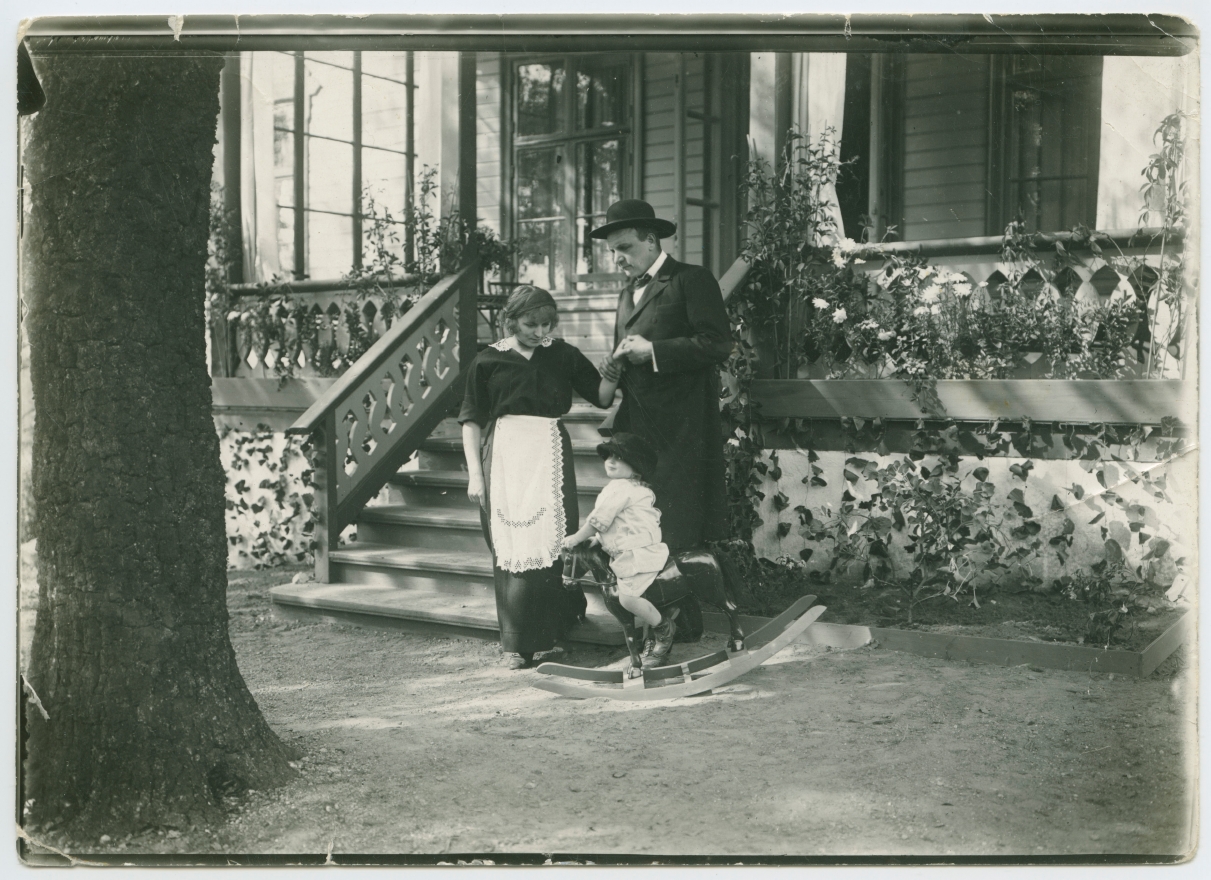
Place Saints and Sorrows beside På livets ödesvägar and you see two Nordic variations on female sacrifice, one operatic, one monastic. Pair it with Satyavan Savitri and the mythic scaffolding gleams through: both heroines bargain with death using the only currency granted them—endurance. Yet Lykke-Seest denies transcendence; grace arrives maimed, like a bird with a broken wing that still manages to fly just far enough to avoid the cat.
Archival notes hint at a lost reel depicting Maria’s brief stint in a Magdalene laundry. No print has surfaced; some argue Lykke-Seest removed it fearing church backlash. Others claim nitrate simply did what nitrate does—devour its own memory. The absence feels intentional, like a tooth missing from a saint’s skull: the gap becomes the story.
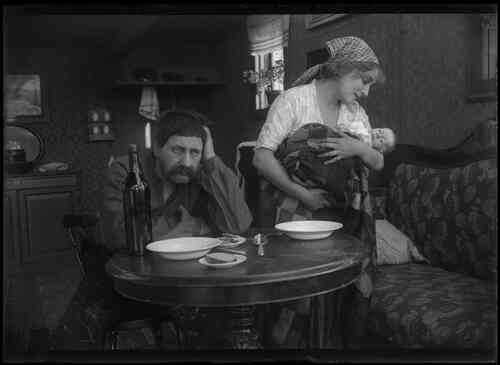
I screened the film twice: once with a minimalist piano score, once with a string quartet improvising dissonant drones. The latter transformed the cabin into a resonating chamber; every creak of wood seemed answered by a cello scrape. If you curate a home viewing, I recommend Sigur Rós’ ( ) played at 80% speed—the Hopelandic syllables become glossolalia fit for a pilgrim losing her religion in real time.
Maria’s needle trades in the same symbolic economy as the pastor’s host: both pierce to create communion. Yet the film refuses to sanctify women’s pain. When she sews her own shroud—yes, literal scene—the camera lingers on blood spotting the linen, indicting the viewer who mistakes endurance for beatitude. Compare this with The Sign of the Cross where Christian agony is spectacle; here it is inventory.
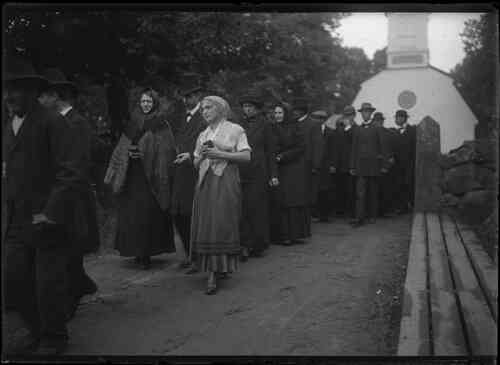
William Larsson declines thespian fireworks; his detox shakes resemble a man trying to shake snow off his soul. In close-up his eyes recede until pupils become bullet holes in a plaster wall. The absence of bravura paradoxically intensifies horror—think Europäisches Sklavenleben but stripped of revolutionary fervor, leaving only the vacuum where dignity once resided.
Scripture here is not quoted; it is weaponized. The torn page from Lamentations functions as both relic and ransom note. When Maria buries it beneath the sapling, she enacts a reverse exegesis: instead of text illuminating life, life is commandeered to annotate text. The moment rivals the graveyard wisdom of The Cloister and the Hearth yet surpasses it in starkness—no resurrection, merely a tree that will someday be pulp for another Bible.
Though filmed in orthochromatic stock, the tonal inversion turns skin ghost-lunar while pine needles charcoal-black. I advise modern viewers to desaturate their mental palette further: imagine the snow not white but phosphorus, the father’s urine-stained trousers not ochre but sulfurous yellow. The exercise reveals how much chromatic terror Lykke-Seest smuggles into grayscale.
Contrast this with A Tale of the Australian Bush where sun-scorched redemption feels almost muscular. In Saints and Sorrows salvation is frostbite—numbness that paradoxically warms by annihilating sensation. The film situates itself within a transnational Gothic: too Protestant for Latin melodrama, too Catholic for Lutheran certitude.
Lykke-Seest understood that pre-welfare Scandinavia trapped families in fiscal as well as spiritual insolvency. The father’s alcoholism is subsidized by pawning Maria’s dowry spoons—each clink on the counter echoes like a judge’s gavel. The film anticipates the proletarian despair of Madeleine yet strips away courtroom melodrama, leaving only the arithmetic of hunger.
The last frame—Maria’s figure receding along a frozen river—reverses the Pietà: the daughter now cradles the abandoned world in her gaze. No ascending angel, no swelling chord, just the crunch of her bare feet etching a testament that will vanish under the next snowfall. The screen fades not to black but to the texture of frostbitten skin, implying the viewer’s own moral circulation has been arrested. You leave the screening colder, yes, but also oddly weightless—sin acknowledged evaporates quicker than sin denied.
Seek this film not for comfort but for calibration; it adjusts the moral compass by breaking it first. In an age that peddles curated redemption on every streaming thumbnail, Saints and Sorrows dares to suggest that sometimes the holiest act is simply to survive the winter of someone else’s making—and to walk away barefoot, leaving no footprints for the historians of grace.

IMDb —
1919
Community
Log in to comment.