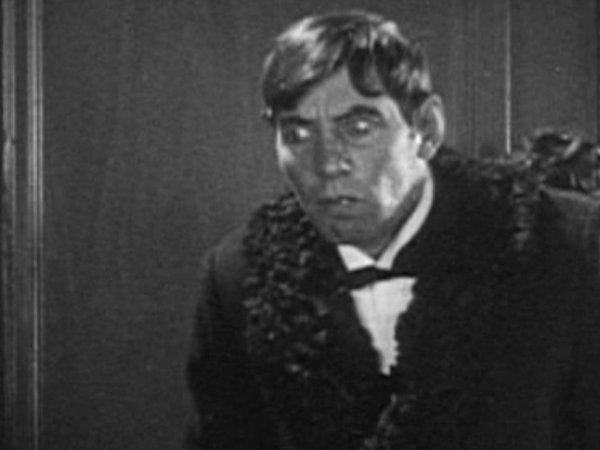
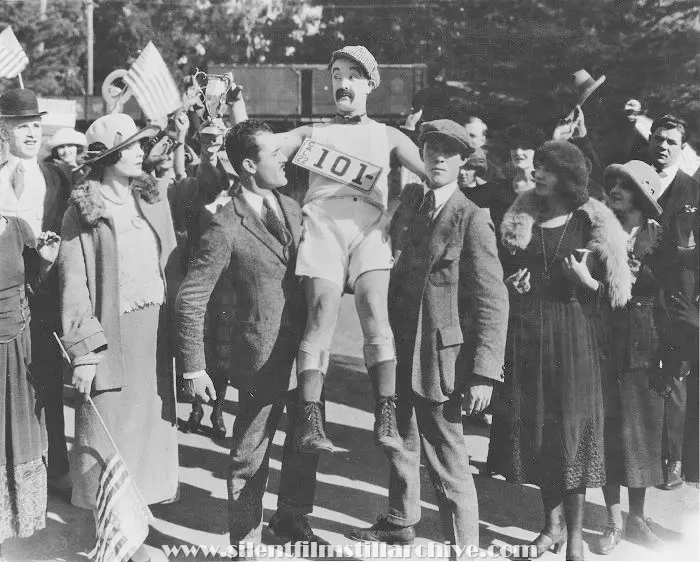
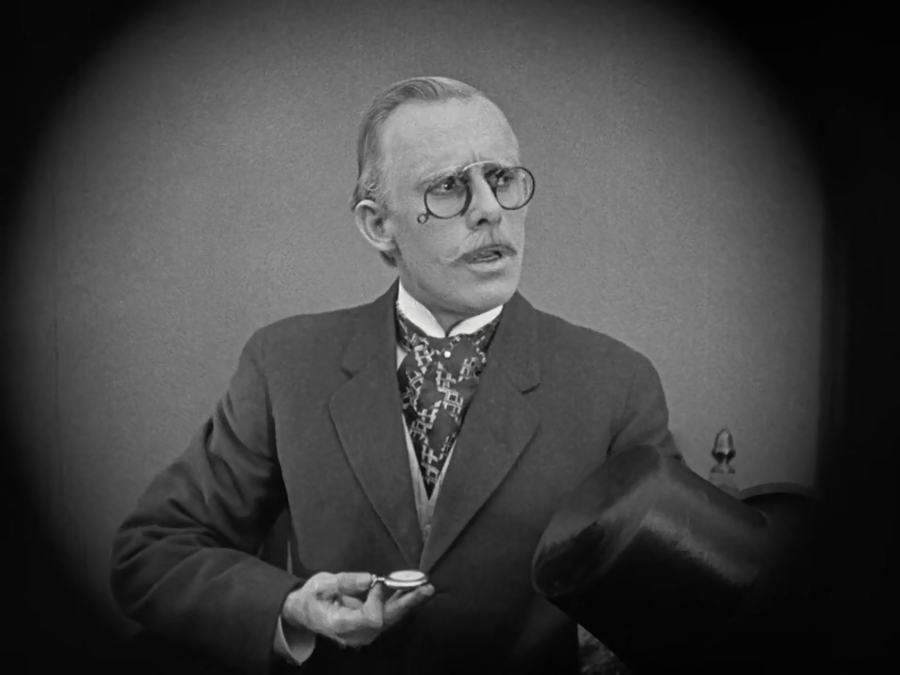
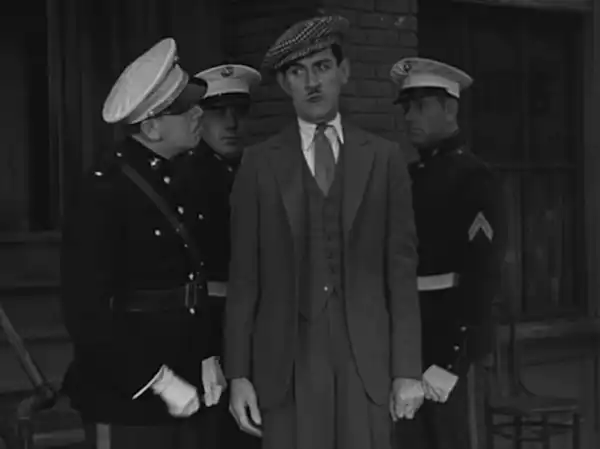
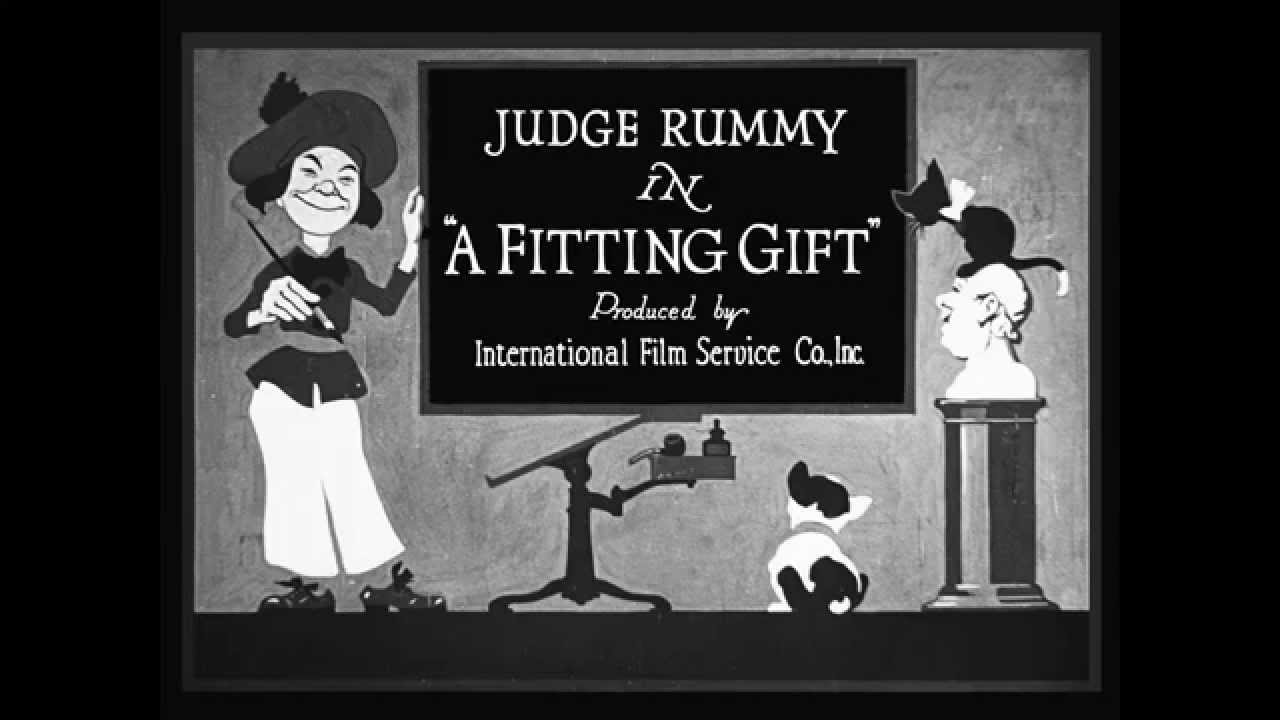
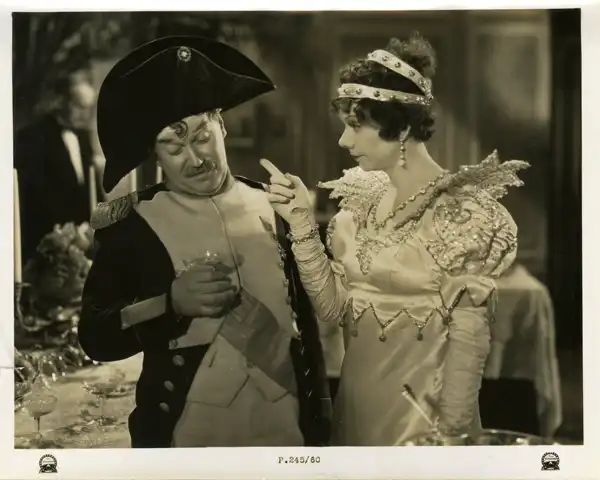
A group of oil magnates are trying to think of new ways to attract business. One of them suggests that they contact the inventor Pollard, who has devised a new gasoline substitute.
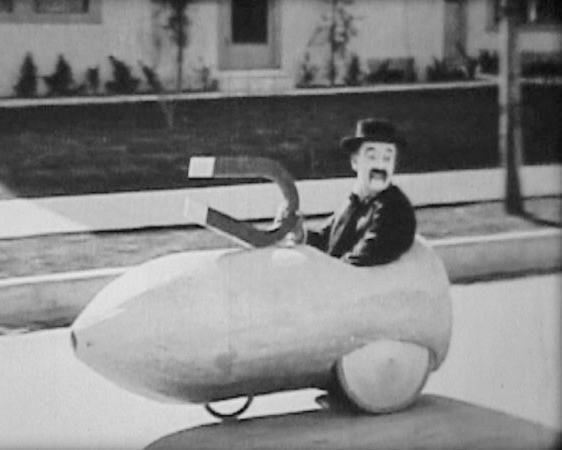
A Silent Symphony of Innovation and Greed The film It's a Gift unfolds like a meticulously choreographed tableau, each frame a brushstroke that paints the paradox of progress. The director, whose name has faded into the shadows of early cinema, orchestrates a narrative that is simultaneously a satire of industrial...
product
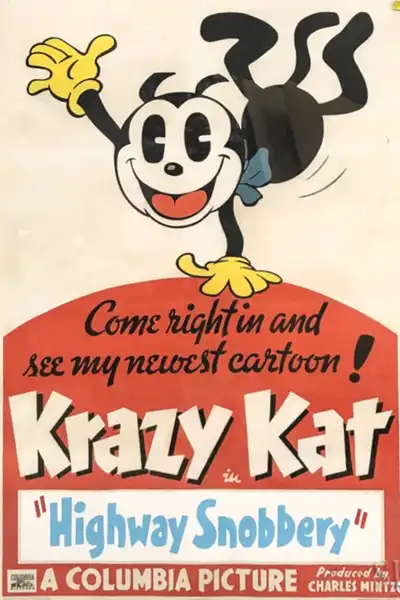
Comparing the cinematic DNA and archive impact of two defining moments in cult history.
Hugh Fay
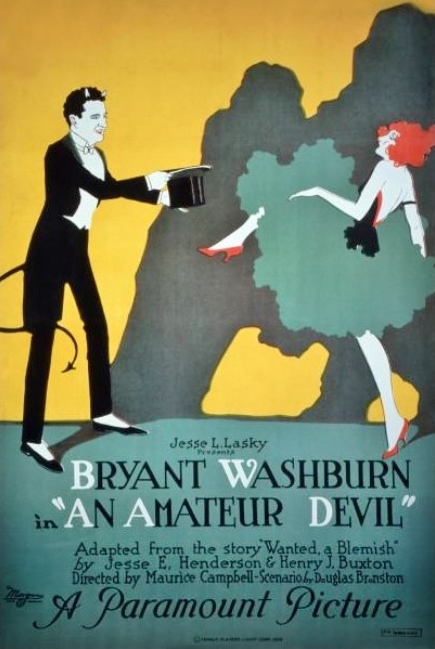
Maurice Campbell
Community
Log in to comment.
" A Silent Symphony of Innovation and Greed The film It's a Gift unfolds like a meticulously choreographed tableau, each frame a brushstroke that paints the paradox of progress. The director, whose name has faded into the shadows of early cinema, orchestrates a narrative that is simultaneously a satire of industrial capitalism and a reverent ode to the mad inventor archetype. The oil magnates—portrayed with a blend of gravitas and sly humor—embody the era's relentless pursuit of new markets, ..."
United States
Deep dive into the cult classic
Discover similar cinematic experiences
A Directorial Spotlight on Hugh Fay