DbcultAccessing Vault...
Cult Review
Senior Film Conservator
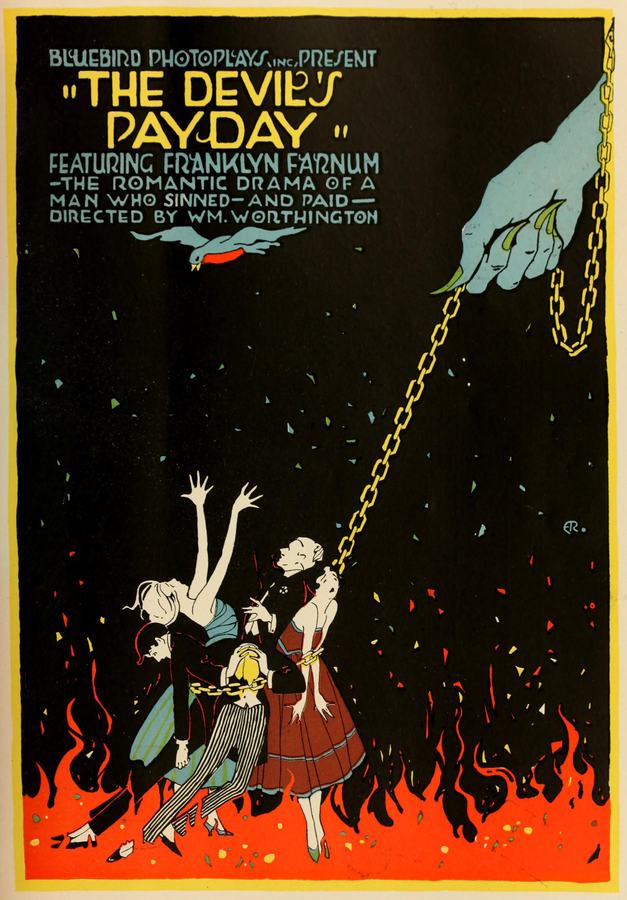
The flickering shadows of early cinema often hold within them narratives of profound human drama, tales that, despite their age, resonate with an almost primal intensity. Such is the case with "The Devil's Pay Day," a silent film that plunges headfirst into the tumultuous waters of class disparity, romantic betrayal, and the corrosive nature of vengeance. It’s a compelling, if ultimately tragic, exploration of how easily innocence can be shattered and how meticulously a broken heart can plot its retribution. This isn't merely a quaint historical artifact; it's a stark, unblinking mirror reflecting the darker facets of human nature, presented with the exaggerated yet deeply expressive artistry characteristic of its era.
The story unfurls with Gregory Van Houten, a quintessential man of the city, retreating to the tranquil countryside for convalescence. His intention, fleeting and superficial, was to briefly escape the urban maelstrom before plunging back into its hedonistic embrace. What he found instead was Jean Haskins, the unadulterated daughter of his boarding farmer. Their romance, blossoming amidst pastoral simplicity, seems at first glance a charming testament to love transcending societal boundaries. Jean, a "simple child of nature," embodies an almost naive trust, her world expanded and illuminated by the ideals of happiness Gregory introduces. Yet, even in this nascent stage, a foreboding shadow is cast by Farmer Haskins, whose sagacious warnings about the inherent incompatibility of their disparate lives serve as an ominous prologue to the unfolding tragedy. He articulates a profound truth: that fundamental differences in upbringing and expectation, if unaddressed, can become an insurmountable chasm. This initial conflict, subtly introduced, immediately elevates the narrative beyond a simple love story, imbuing it with a sociological depth that asks pertinent questions about societal mobility and the pressures of assimilation.
Despite these prescient admonitions, the young lovers, buoyed by the intoxicating flush of their affections, tie the knot and return to the glittering, superficial world of Gregory's city life. It is here that the idyllic country romance begins its precipitous descent into disillusionment. The very first social gathering they attend serves as a crucible, mercilessly exposing Jean's utter unpreparedness for the "butterfly life" of Gregory's set. Her natural grace, so charming in the rural landscape, appears gauche and out of place in the artificiality of urban high society. This scene is pivotal, laying bare the stark contrast between their worlds and foreshadowing the inevitable rifts that will emerge. For Gregory, the initial enchantment quickly gives way to a dawning realization of his wife's social inadequacy, a flaw he had perhaps overlooked or dismissed in the pastoral haze of their courtship.
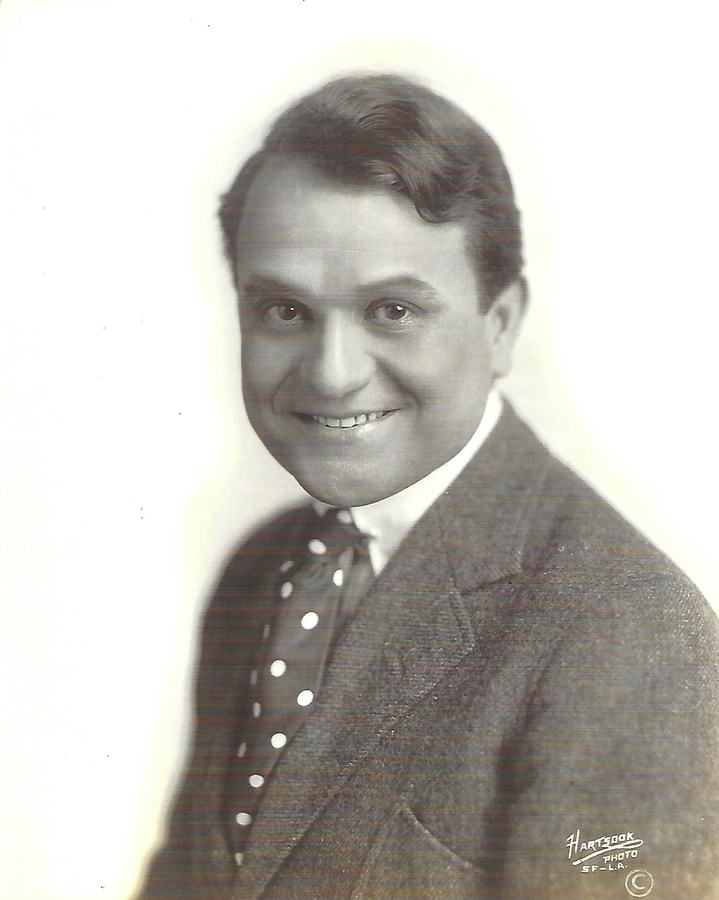
Enter James Hanley, one of Gregory’s club associates, a character whose predatory instincts immediately identify Jean not as a person, but as a "conquest." His attentions, insidious and persistent, soon become a focal point for Gregory’s burgeoning suspicions. The irony is palpable: as Gregory suspects Jean of infidelity, he simultaneously seeks solace and companionship in a woman from his own social strata, a "society butterfly" who perfectly embodies the world Jean struggles to navigate. This parallel betrayal, both perceived and actual, accelerates the unraveling of their marriage. The film masterfully portrays how easily suspicion can be manufactured and how quickly a relationship can be weaponized.
A single incident, "looking worse than it really was," becomes Gregory's convenient pretext for divorce. The swiftness and apparent ease with which he discards Jean, winning his case and promptly marrying the other woman, are chilling. This act of profound callousness and moral cowardice is the turning point, the catalytic event that irrevocably shatters Jean’s "good, wholesome nature." The transformation described is stark and absolute: from an innocent child of nature to a "viper bent upon revenging herself upon the man who had violated his obligation and made a mockery of her love." This metamorphosis is perhaps the most compelling arc of the entire narrative, reminiscent in its dramatic intensity of characters like those in The Devil, where moral corruption and a loss of innocence drive the central conflict, or even the tragic figures found in The Price of Fame, where ambition or social standing demand a soul-altering sacrifice. Hanley, in gaining his "point" with Jean, finds himself in possession of a companion, but crucially, not her love—a bitter, almost poetic recompense for his manipulative machinations.
Years later, the threads of their entangled lives re-cross. Jean, now transformed, sophisticated, and alluring, encounters Gregory. Her beauty, a stark contrast to the naive girl he once knew, reignites a dormant desire within him. But this is no chance reunion; it is the meticulously laid groundwork for Jean's long-awaited vengeance. Her conniving is subtle, deliberate, and devastatingly effective. When Hanley is called away, Jean refuses to accompany him, fabricating an excuse about needing "a few months' separation" for a "better understanding of their position." This calculated move clears the field, allowing Gregory to fall deeper into her trap, a willing victim ensnared by his own rekindled lust and a poignant yearning for what he once discarded.
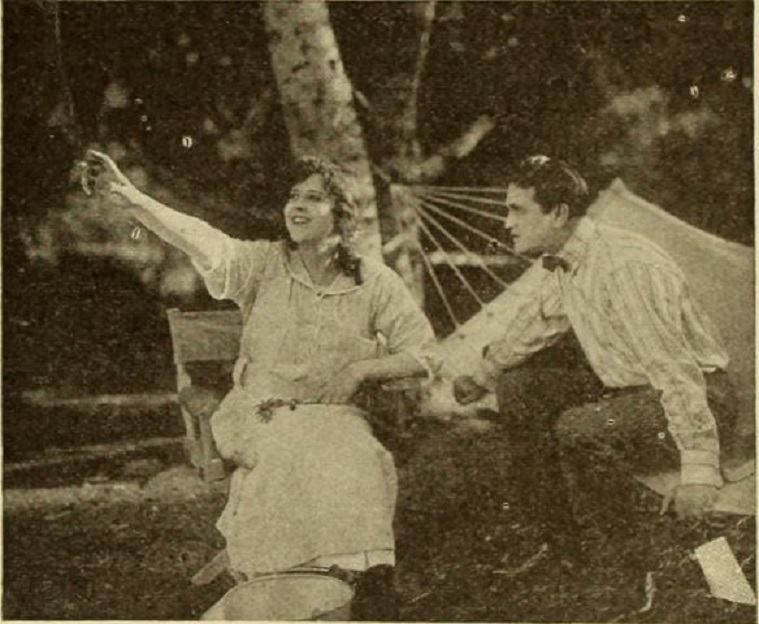
Gregory, blinded by infatuation, neglects his second wife, dedicating all his attention to the woman he had so cruelly cast aside. The dramatic irony is thick here, a testament to the cyclical nature of human folly. Just as Jean's revenge seems to be culminating in his renewed emotional and marital abandonment, Hanley makes an unexpected reappearance. This unforeseen turn of events doesn't derail Jean's plan; rather, it provides an opportunity for a "greater revenge than she had planned." The narrative structure here, with its escalating tension and unexpected twists, could draw parallels to the intricate plotting seen in films like The Clue, where every revelation serves to deepen the mystery and heighten the stakes.
The inevitable confrontation between Gregory and Hanley erupts, a visceral, brutal encounter born of jealousy, betrayal, and long-simmering resentment. As Hanley gains the upper hand, Jean, with a chillingly cold precision, fires a revolver at the struggling forms, killing Hanley. This act, swift and shocking, benumbs Gregory's senses, leaving him reeling in the aftermath. In a final, diabolical stroke of genius, Jean places the smoking revolver in Gregory’s hand just as the police burst onto the scene. They discover him bending over his prostrate rival, weapon in hand, the perfect picture of guilt.
The trial that follows is a macabre formality. Jean, now the ultimate femme fatale, swears that Gregory fired the fatal shot. Her testimony, delivered with an icy conviction, completes her vengeance, culminating in the jury's verdict of deliberate murder. The audience is left to grapple with the profound injustice, the absolute triumph of manipulative deceit over truth. This stark depiction of a woman wronged, turning into an instrument of ultimate destruction, resonates with the raw emotional power found in other dramas of the era, perhaps even touching on the intense character studies seen in works like Where Love Leads, where individual choices spiral into catastrophic outcomes.
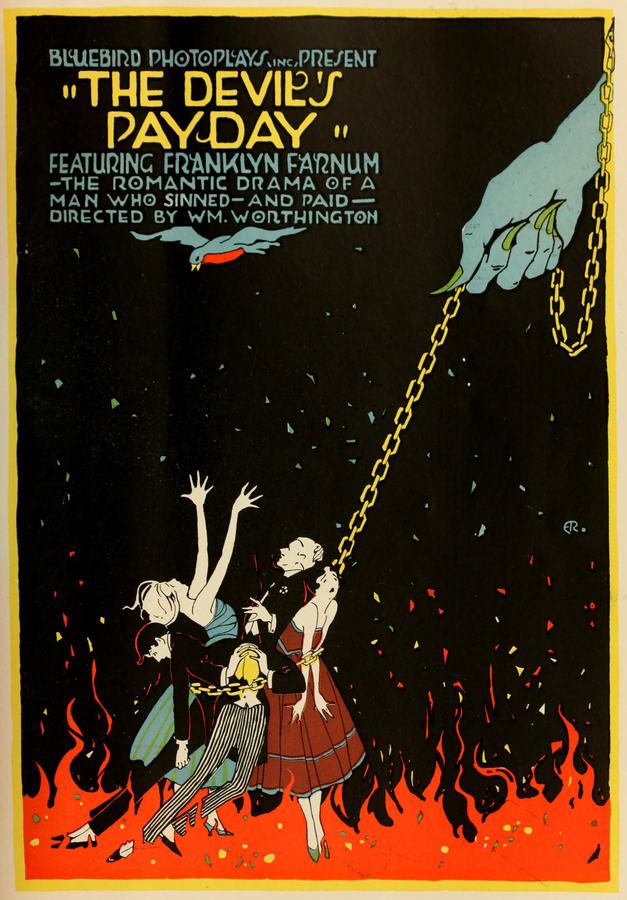
However, the film reserves one final, devastating twist. As the court guard prepares to bring Gregory to hear his doom, he is discovered dead upon his cell cot. Whether by his own hand, a broken heart, or some other unforeseen circumstance, his death before the final pronouncement of justice adds another layer of tragic irony to Jean's carefully constructed revenge. Her vengeance, so meticulously planned and flawlessly executed, achieves its objective, but in doing so, leaves her with nothing but the desolate contemplation of "the sad ending of her youthful romance." The 'pay day' promised by the title is not one of satisfaction or closure, but rather a chilling emptiness, a testament to the destructive power of hatred.
The film’s examination of societal hypocrisy is particularly potent. Gregory, initially portrayed as a man of means and social standing, is revealed to be morally bankrupt, easily swayed by superficiality and quick to discard genuine affection for convenience. His journey from privileged gentleman to condemned murderer is a commentary on the fragility of reputation and the hidden darkness that can reside beneath a polished exterior. Jean's transformation, while extreme, is presented as a direct consequence of his actions, forcing the viewer to confront the ethical implications of abandonment and betrayal. It’s a narrative that, in its stark portrayal of cause and effect, feels almost Shakespearean in its tragic sweep, where every action, no matter how small, leads inexorably to a devastating conclusion.
"The Devil's Pay Day," despite its vintage, speaks to timeless themes that continue to captivate and disturb. The clash between rural innocence and urban decadence, the corrupting influence of wealth and social status, and the all-consuming fire of revenge are elements that transcend specific historical contexts. The performances, particularly that of Leah Baird as Jean, must have been compelling, relying on the expressive gestural language and intense facial acting characteristic of the silent era to convey such a profound shift from vulnerability to venom. One can imagine the subtle nuances of her transformation, communicated without a single spoken word, making her arc all the more powerful. Similarly, Franklyn Farnum as Gregory would have needed to embody both the superficial charm and the underlying weakness of his character, making his downfall believable and tragic.
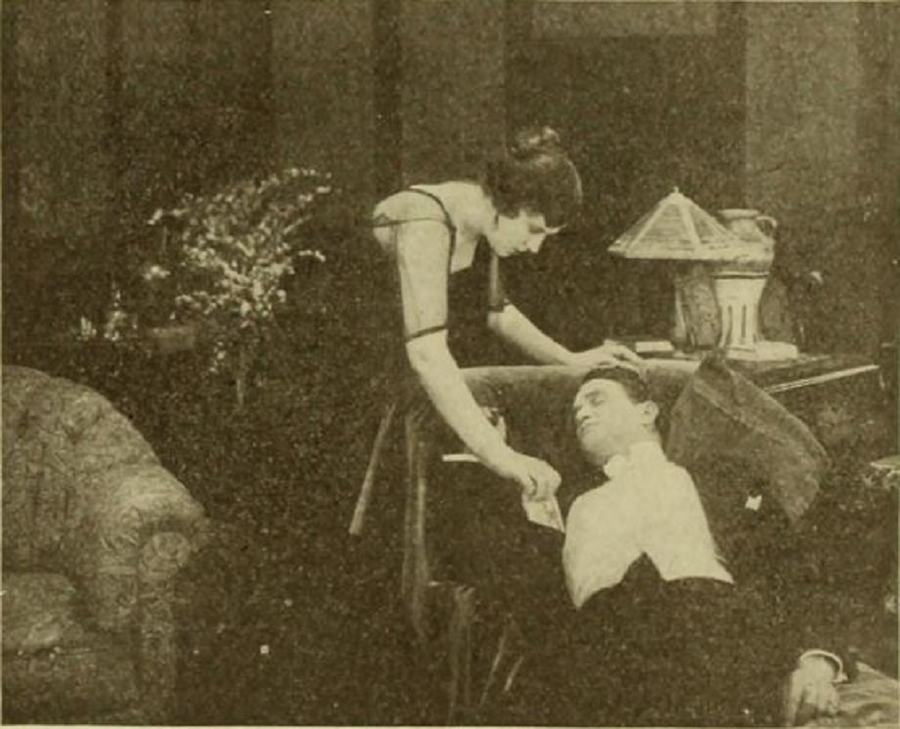
The direction by Fred Myton and the writing by Myton and George Hively, even in this summary form, suggest a meticulous construction of plot, where every event, every character's decision, serves to propel the narrative towards its grim, predestined conclusion. The film's title itself, "The Devil's Pay Day," encapsulates the overarching theme: that there is always a price to be paid for moral transgressions, a reckoning, however delayed, for actions steeped in deceit and cruelty. This echoes the moralistic undertones often found in films of this period, where justice, even if delivered by unconventional means, eventually catches up with the culpable.
When considering its place within the cinematic landscape, "The Devil's Pay Day" stands as a potent example of early psychological drama, where the internal turmoil of characters drives the external conflict. It delves into the dark corners of the human psyche with a boldness that belies its silent medium. It's a film that, much like the intense character studies in The Ninety and Nine or the dramatic tension of Hands Across the Sea, relies on strong narrative arcs and compelling performances to convey its message. The depiction of Jean's cold, calculating revenge, contrasted with Gregory's careless abandonment, creates a moral ambiguity that allows for rich interpretation. Who, ultimately, is the greater villain? The man who thoughtlessly destroys a life, or the woman who meticulously orchestrates a devastating retribution? The film dares to ask these questions without providing easy answers.
In conclusion, "The Devil's Pay Day" transcends its silent film origins to deliver a powerful, unsettling narrative on the destructive consequences of betrayal and the insidious nature of revenge. It’s a testament to the enduring power of storytelling, reminding us that the human heart, once broken, can become a formidable, even terrifying, force. Its themes of social class, moral decay, and the long shadow of past injustices remain as relevant today as they were in the nascent days of cinema. For enthusiasts of classic cinema and those fascinated by the darker aspects of human psychology, this film offers a compelling, albeit bleak, journey into the depths of a soul scorned and a fate sealed by the choices made in the pursuit of fleeting happiness and ultimately, bitter retribution. It is a cinematic experience that lingers, leaving a profound sense of the tragic inevitability that defines its characters' intertwined destinies.
IMDb 6.5
1934
Community
Log in to comment.