DbcultAccessing Vault...
Cult Review
Senior Film Conservator

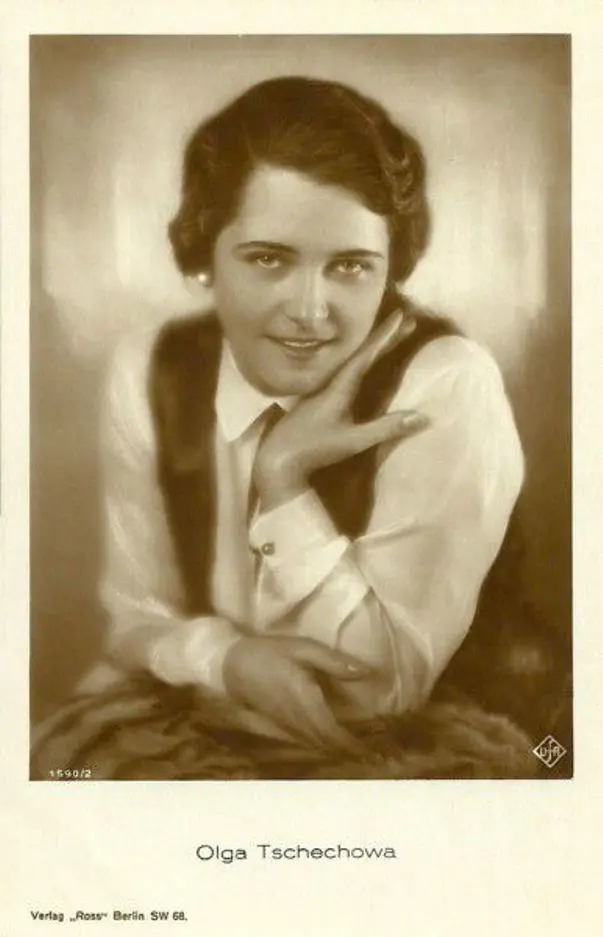
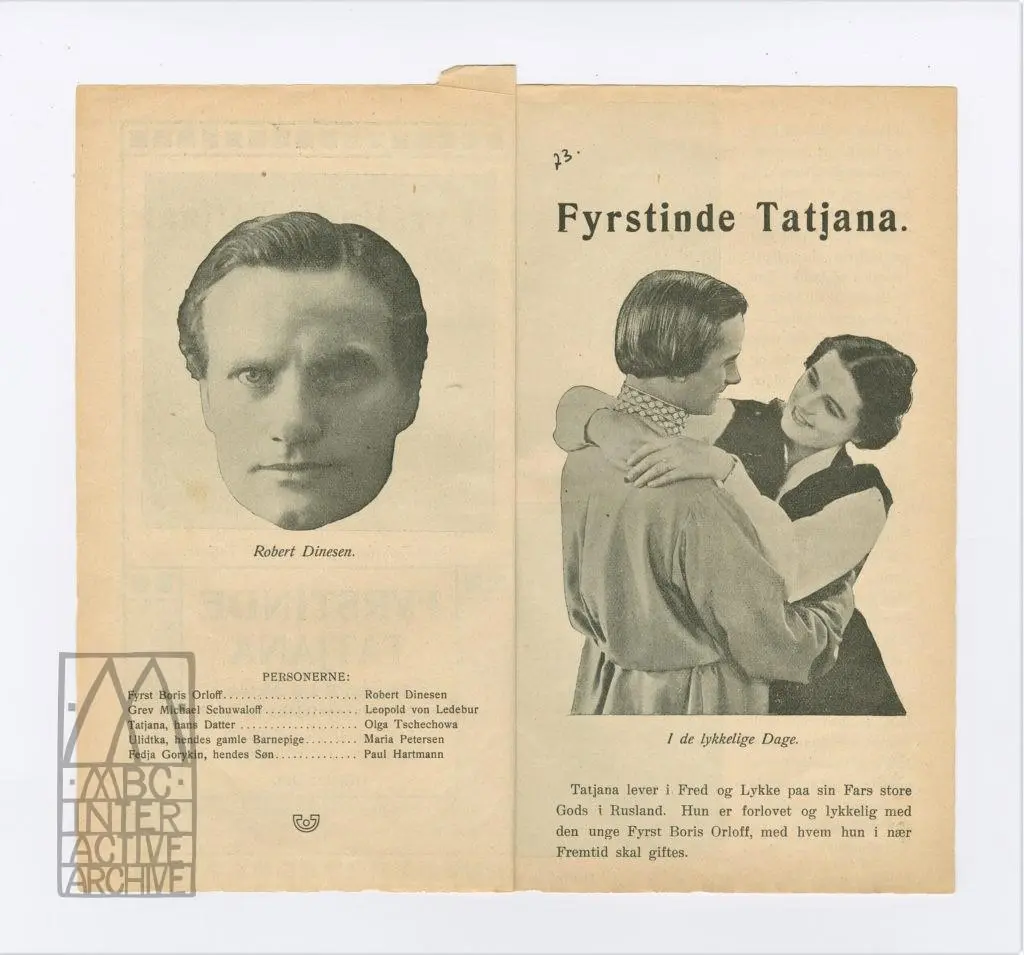
The film Tatjana is a masterpiece that captures the essence of an era marked by upheaval and transformation. Set against the backdrop of the Bolshevik uprising in Russia, it tells a story of desire and deception that enthralls from the very beginning. With a cast that includes Max Wogritsch, Leopold von Ledebur, and Olga Tschechowa, among others, the film brings to life the complexities of human relationships during a time of great turmoil.
The narrative is cleverly woven, using the death of Count Schuwaloff as a catalyst to explore the past through a series of flashbacks. These sequences are skillfully triggered by a letter from the Count's wife, which serves as a thread that unravels the mysteries of the characters' past actions and motivations. This technique not only adds depth to the storyline but also keeps the audience engaged, as each revelation brings new insights into the characters' psyche and the events that led to the Count's demise.
One of the standout aspects of Tatjana is its ability to balance the personal stories of its characters with the broader historical context. The film does not shy away from depicting the harsh realities of the Bolshevik uprising, yet it also manages to maintain a focus on the intimate, personal struggles of its characters. This balance is a testament to the skillful direction and the well-crafted screenplay by Harriet Bloch and Robert Dinesen.
In comparison to other films of the era, such as A Fight for Millions and Stars and Stripes, Tatjana stands out for its nuanced portrayal of characters and its thoughtful pacing. The film's use of flashbacks as a narrative device adds a layer of complexity that was not commonly seen in contemporaneous films. This approach, combined with the film's historical setting, makes Tatjana a compelling watch for those interested in historical dramas and character-driven stories.
The themes of desire and deception that permeate Tatjana are reminiscent of other classic films, such as Das Zeichen des Malayen and The Golden God. However, the unique historical context and the personal, relatable nature of the characters' struggles set Tatjana apart. The film's exploration of how desire can lead to deception, and how deception can have far-reaching consequences, is both timeless and thought-provoking.
The cinematography in Tatjana is also noteworthy, with scenes that evoke the stark beauty of the Russian landscape and the opulence of the aristocratic lifestyle. The use of lighting and shadows adds depth to the characters and their surroundings, further enriching the viewing experience. In scenes where the characters' emotions are at their most intense, the cinematography becomes almost poetic, capturing the essence of their experiences in a way that is both visually stunning and deeply moving.
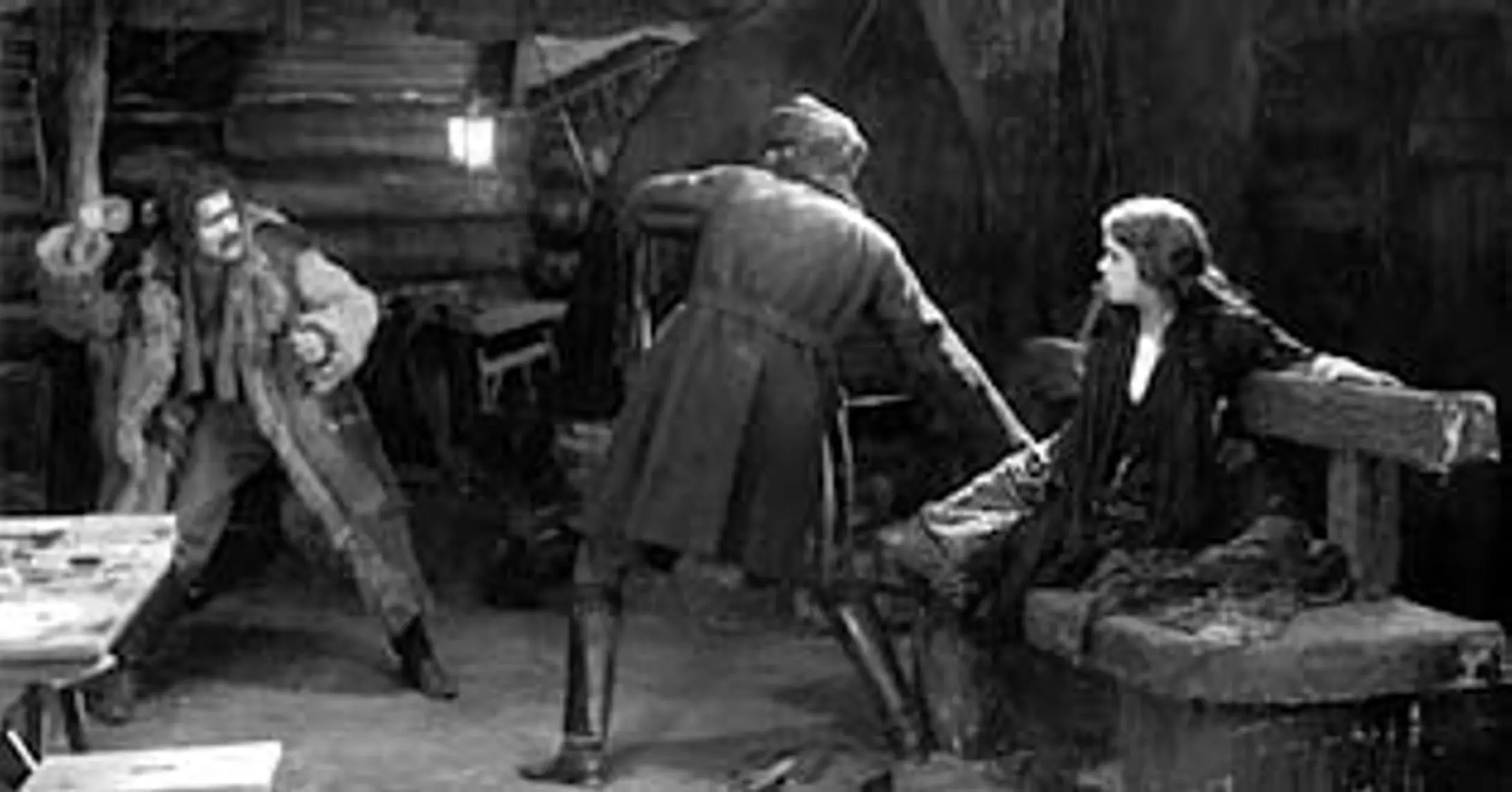
For viewers who appreciate films with complex characters, historical depth, and a gripping narrative, Tatjana is a must-see. Its themes of love, betrayal, and the human condition are universal, transcending the specific historical context in which the story is set. In an era where films often prioritized action and spectacle over character development and nuanced storytelling, Tatjana stands as a testament to the power of cinema to tell stories that resonate deeply with audiences.
In conclusion, Tatjana is a film that masterfully weaves together elements of drama, history, and personal relationships to create a cinematic experience that is both captivating and thought-provoking. With its rich characters, engaging storyline, and historical significance, it is a film that will continue to appeal to audiences with an interest in classic cinema and historical dramas. For those who have not yet had the opportunity to view Tatjana, it is highly recommended, offering a journey into a bygone era that is as enlightening as it is entertaining.
The legacy of Tatjana can also be seen in its influence on later films, such as Love Everlasting and Top o' the Morning, which also explore themes of love, deception, and the human condition. However, Tatjana remains unique in its historical setting and its approach to storytelling, making it a valuable contribution to the world of cinema.
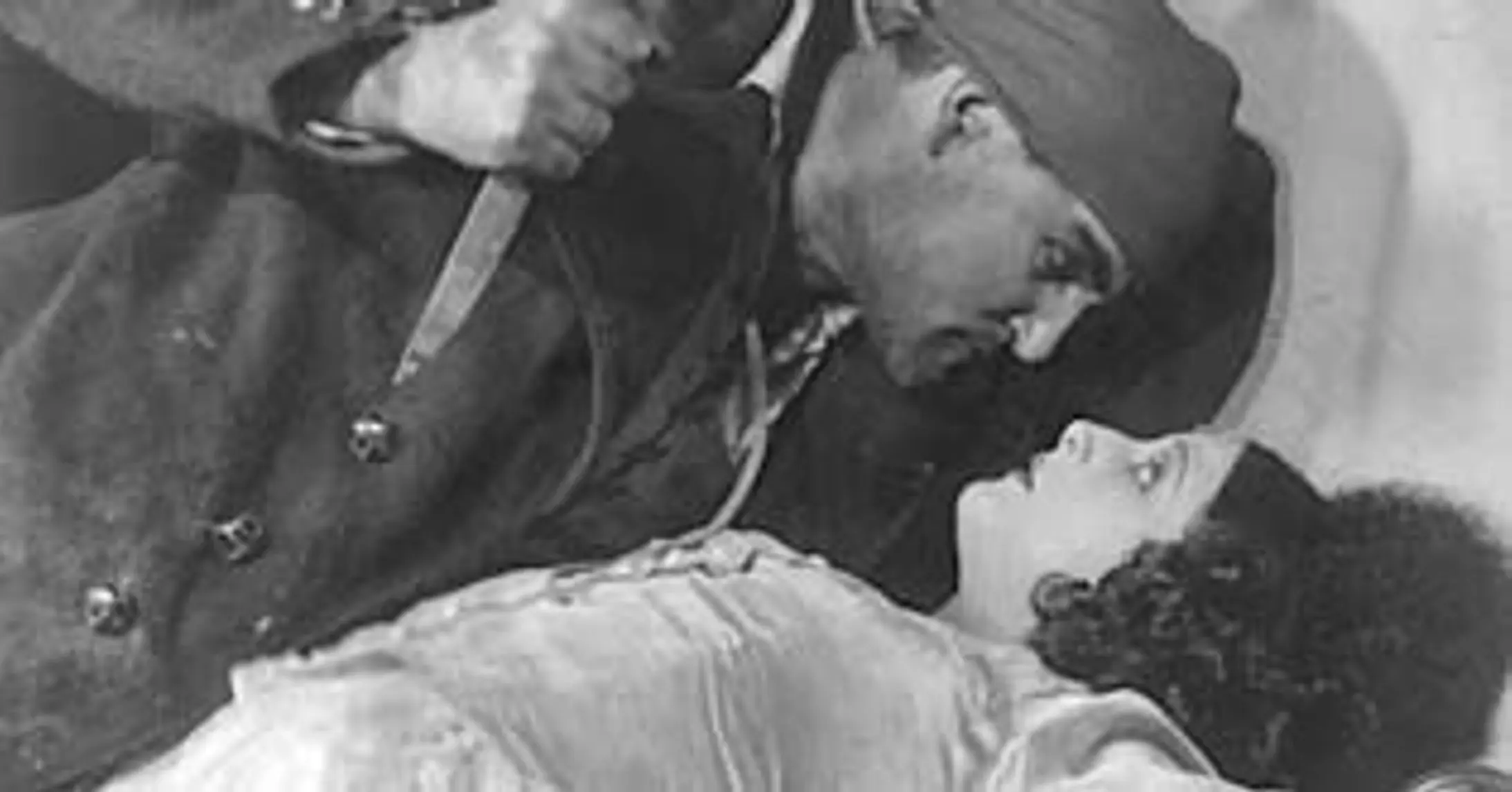
Other films, such as Det gamle Købmandshjem and Pogrom, may deal with similar themes of social upheaval and personal struggle, but Tatjana distinguishes itself through its focus on the interplay between desire and deception. This focus, combined with the film's historical context, makes Tatjana a compelling and unforgettable viewing experience.
In the realm of cinematic storytelling, Tatjana is a gem that continues to shine brightly. Its intricate plot, complex characters, and historical significance make it a film that appeals to a wide range of audiences. Whether viewed as a historical drama, a character study, or a timeless tale of human nature, Tatjana is a masterpiece that deserves to be celebrated and shared with generations of film enthusiasts.
The world of cinema is filled with stories of love, betrayal, and transformation, but Tatjana stands out for its unique blend of historical context, personal drama, and cinematic flair. Films like La reina joven and The Dentist may explore similar themes, but the way Tatjana weaves these elements together creates a truly unforgettable experience. As a work of cinematic art, Tatjana is a must-see for anyone interested in the power of film to capture the human experience.
Ultimately, the enduring appeal of Tatjana lies in its ability to transcend time and circumstance, speaking to fundamental aspects of the human condition. Like films such as Squire Phin and Madame Jealousy, Tatjana explores the complexities of human relationships and the consequences of our desires and actions. However, its unique historical context and masterful storytelling set it apart as a cinematic treasure that continues to captivate audiences with its beauty, depth, and timeless themes.
The influence of Tatjana can also be seen in more recent films, such as One Shot Ross and Romance and Arabella, which also explore themes of love, deception, and personal struggle. However, Tatjana remains a landmark film in the history of cinema, offering a glimpse into a bygone era while exploring universal themes that continue to resonate with audiences today.
For film enthusiasts and historians alike, Tatjana is a significant work that sheds light on the cinematic practices and storytelling traditions of its time. Its influence can be seen in films such as The Golden West, which also explores themes of love, betrayal, and the human condition in a historical context. However, Tatjana stands out for its masterful storytelling, complex characters, and historical significance, making it a film that will continue to be celebrated and studied for generations to come.
IMDb 5.3
1927
Community
Log in to comment.