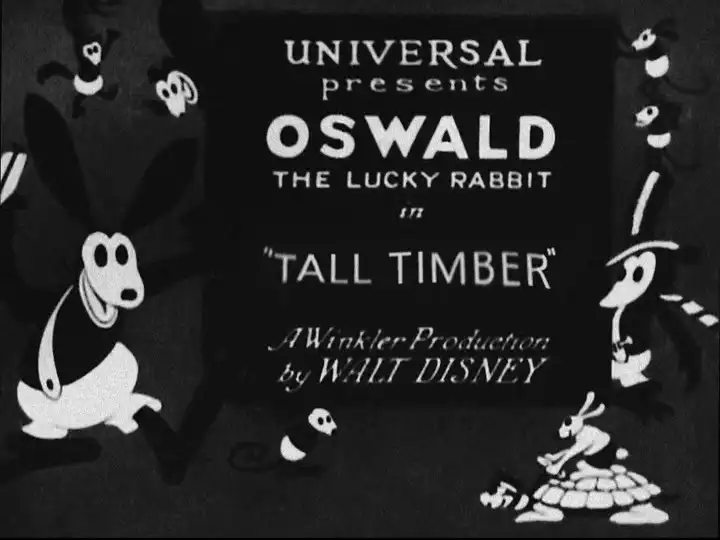
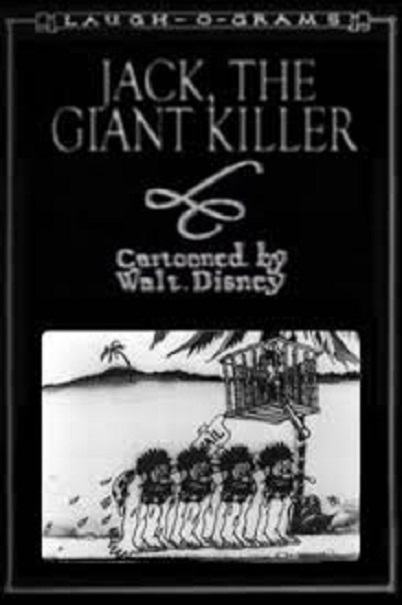
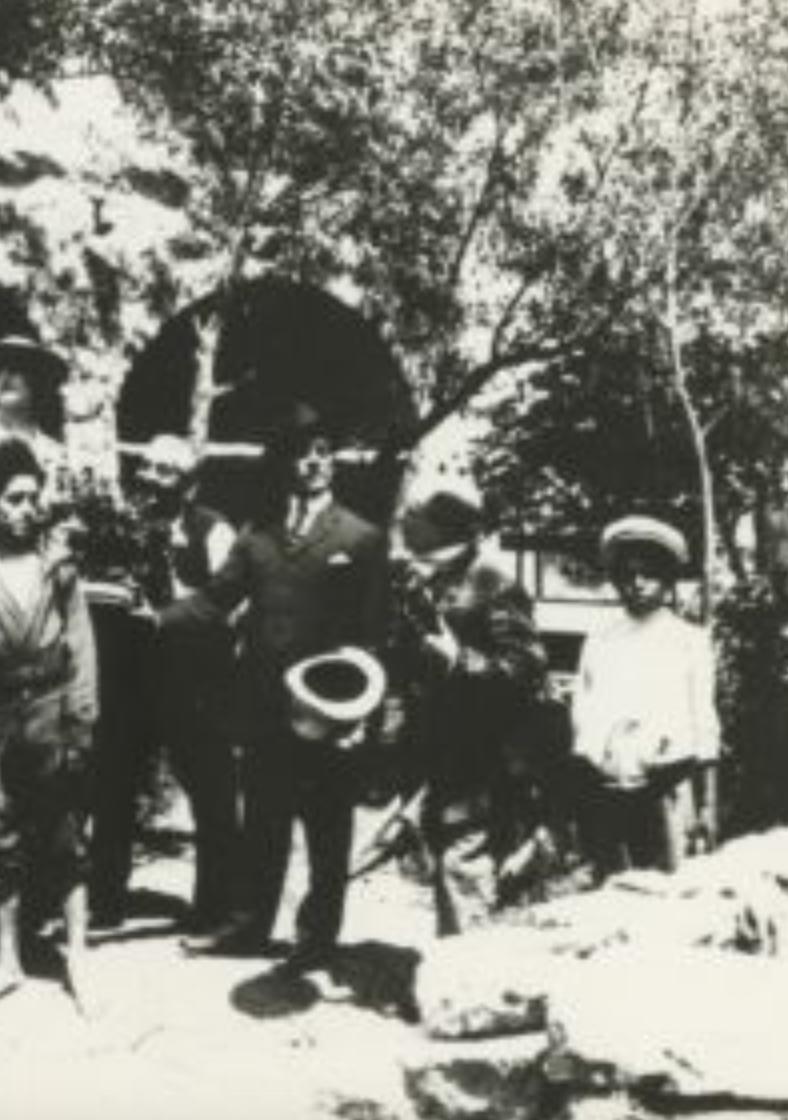
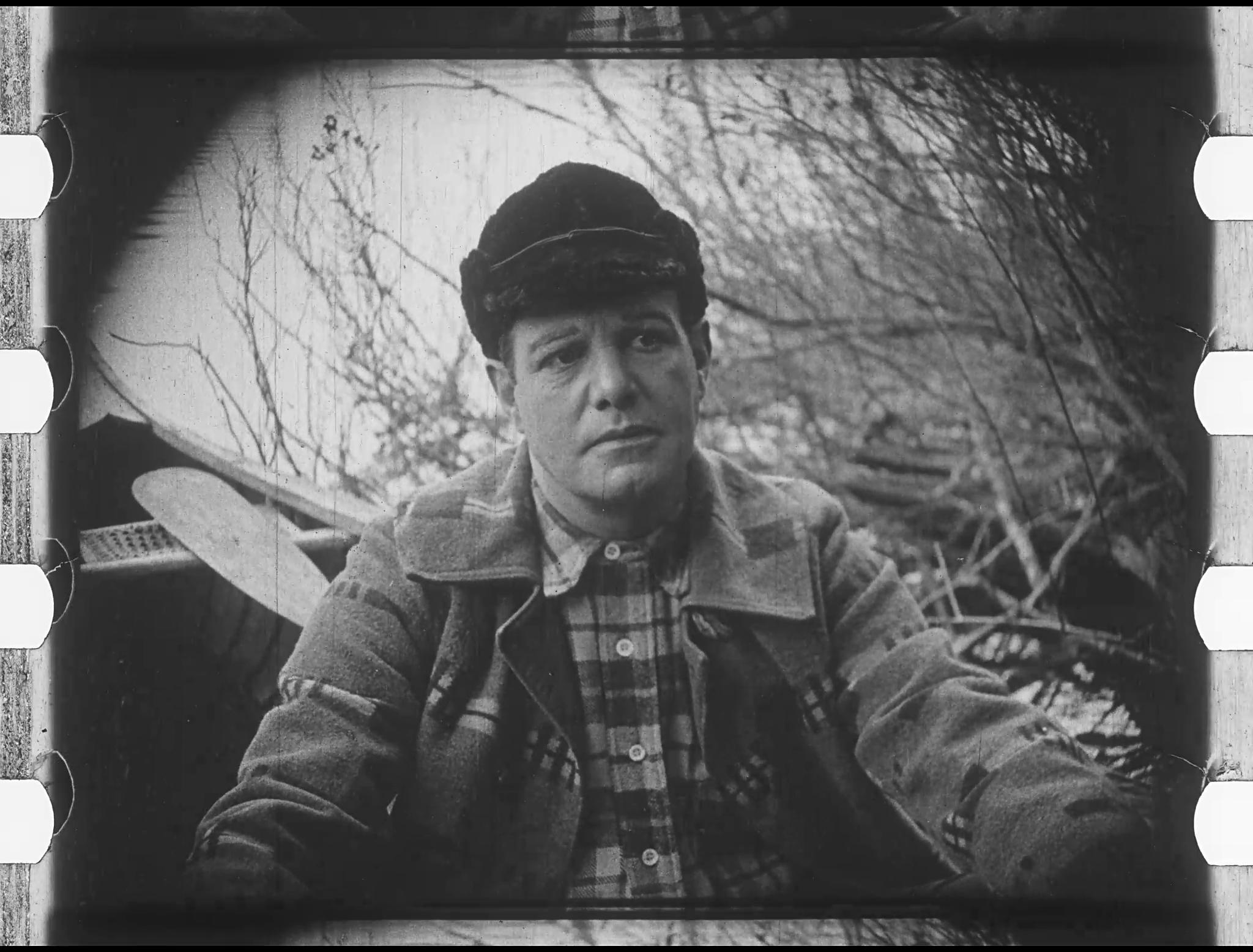
Lost film, one of the seven versions Walt Disney did of the "Jack and the Beanstalk" fairy-tale in his Laugh-O-Gram Studio. Not much about the actual plot is known.

Benjamin Tabart, Walt Pfeiffer
United States
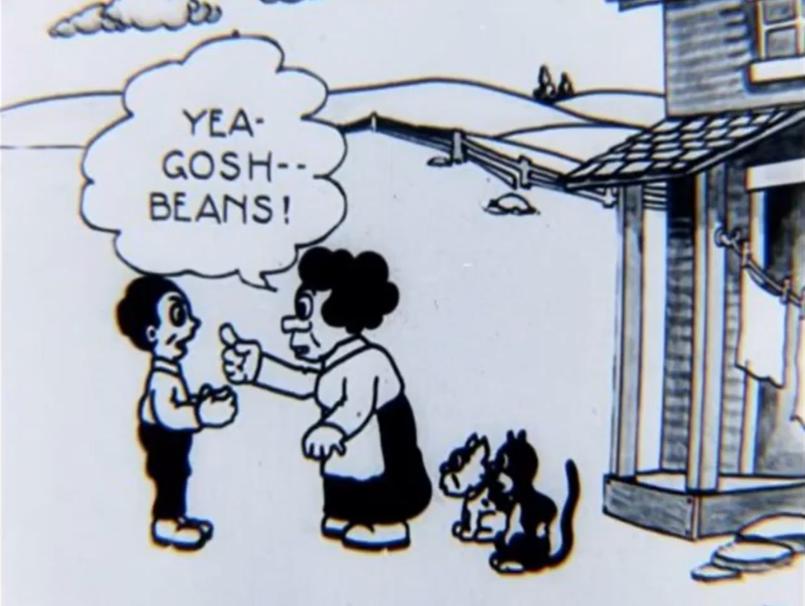
A vine that once pierced the sky now survives only as gossip in the gutters of film history. There are pictures that burn, and there are pictures that simply evaporate. Walt Disney’s 1922 Jack and the Beanstalk belongs to the latter fraternity: a Laugh-O-Gram one-reeler auctioned off by the foot, melted for silver h...
still_frame
Comparing the cinematic DNA and archive impact of two defining moments in cult history.
Walt Disney

Malcolm St. Clair
Community
Log in to comment.
" A vine that once pierced the sky now survives only as gossip in the gutters of film history. There are pictures that burn, and there are pictures that simply evaporate. Walt Disney’s 1922 Jack and the Beanstalk belongs to the latter fraternity: a Laugh-O-Gram one-reeler auctioned off by the foot, melted for silver halide, or tossed into the Missouri River once the creditors circled. We know it existed only because the Kansas City Star bothered to run a capsule review on 2 October 1922, callin..."

Deep dive into the cult classic
Discover similar cinematic experiences
A Directorial Spotlight on Walt Disney