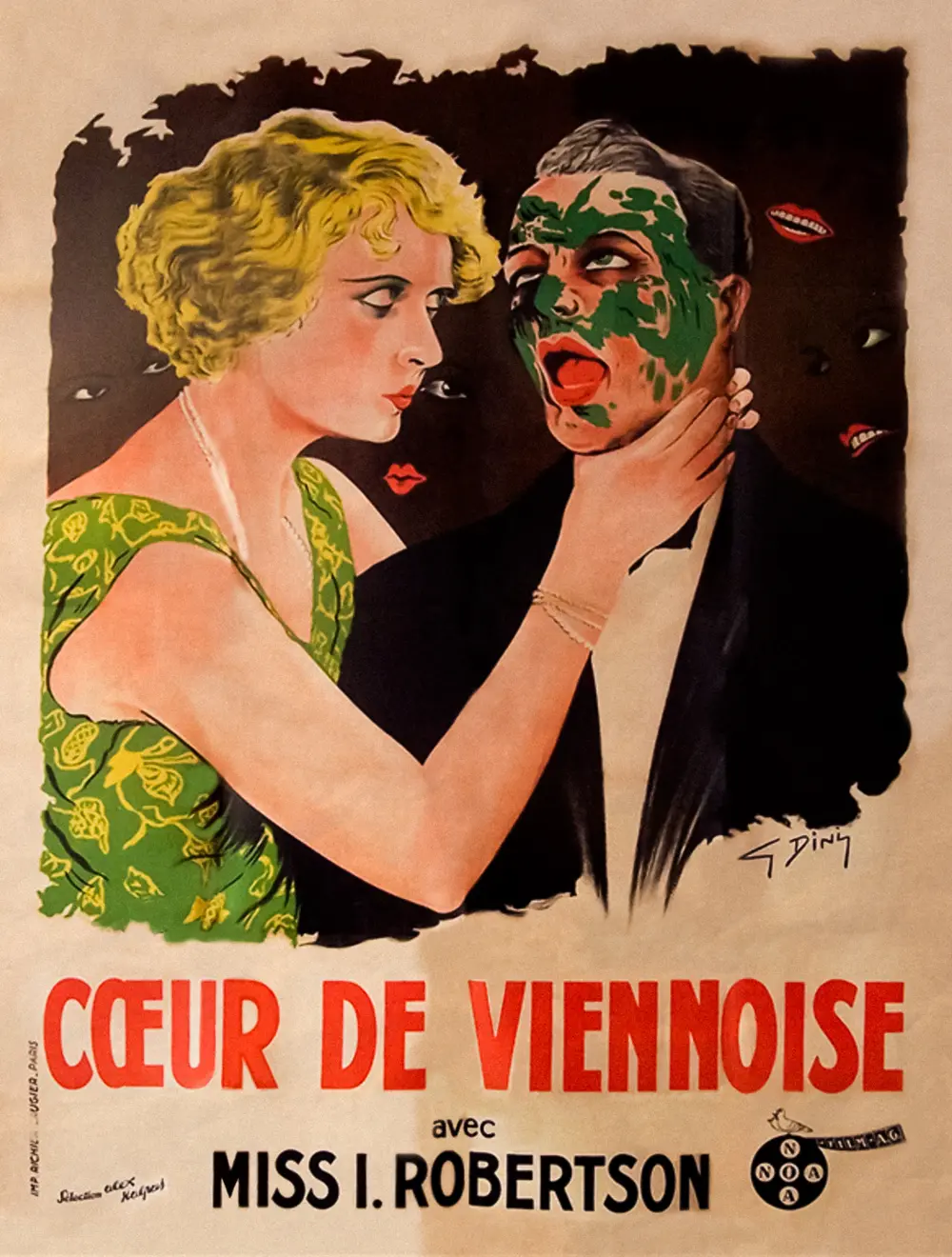
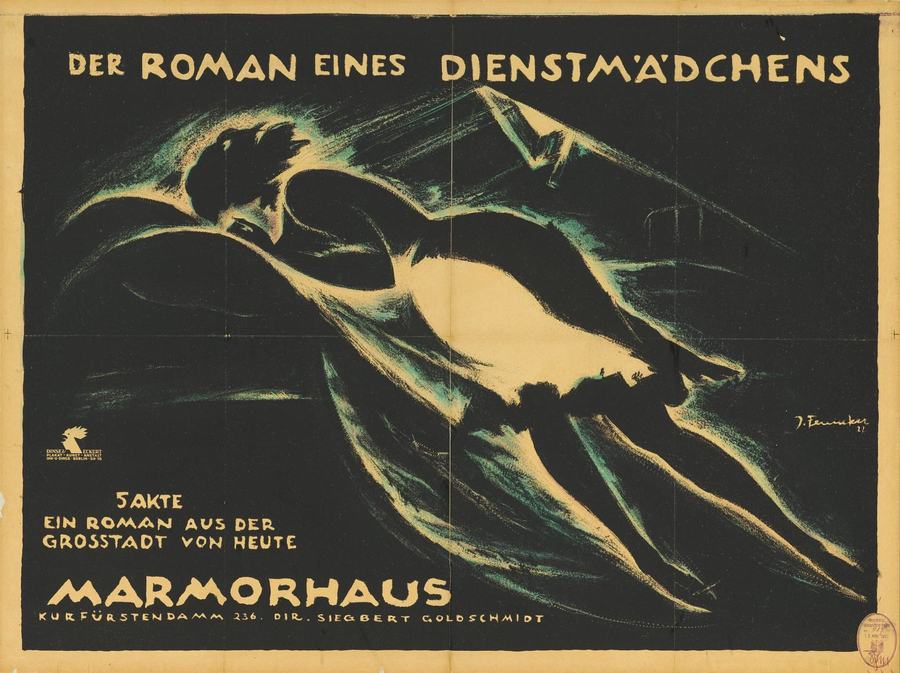
Summary
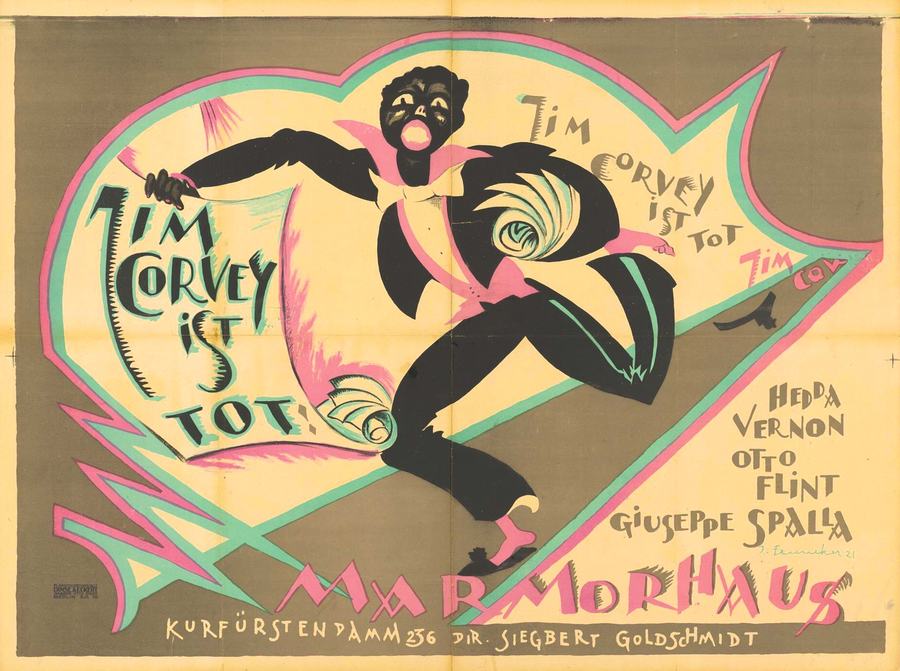
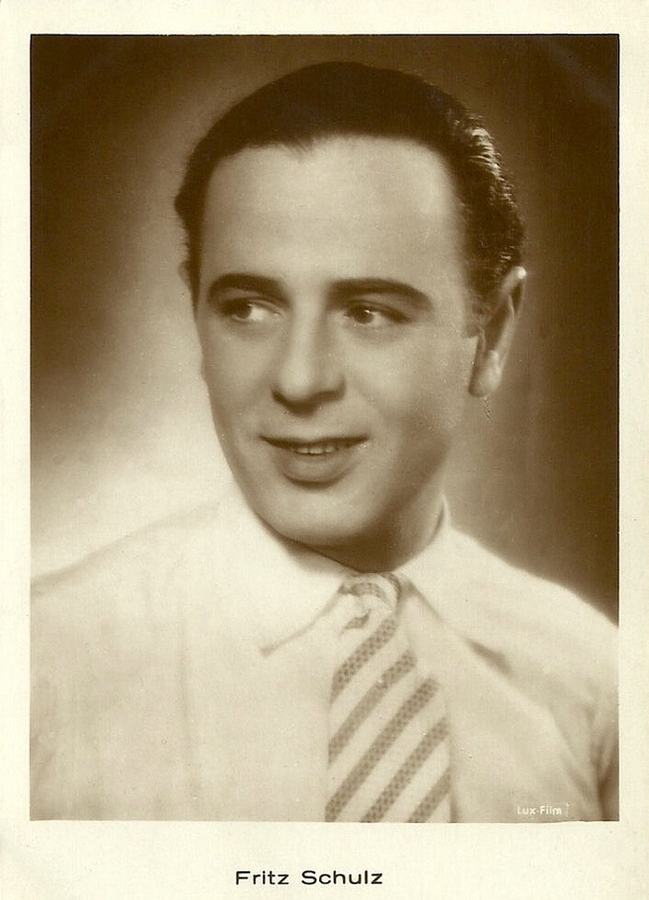
A bullet-riddled alleyway in Weimar-era Hamburg becomes the stage where Jim Corwey—a louche, half-forgotten cabaret emcee with a voice like cracked varnish—bleeds out beneath a flickering neon mermaid. His final exhalation spirals backward through time, threading a citywide necropolis of jazz cellars, dockside brothels, and Expressionist boardrooms where stock options are bartered against souls. Loo Hardy’s chanteuse, Lila Voss, carries the guilt like a rusted locket, convinced her torch song summoned the hitman; Giuseppe Spalla’s anarchist printer, Nino, believes the corpse belongs to the revolution; Heinrich Schroth’s cadaverous banker, Böckler, quietly pockets the IOUs that died with Jim. Gertrude Welcker’s society sculptress, Irmgard, chisels a death mask that leaks plaster tears, while Hedda Vernon’s morphine-addicted countess retraces Jim’s final 24 hours through opium smoke and séance whispers. Fritz Schulz’s cub reporter, Oskar, types till his fingertips blister, chasing headlines that mutate into obituaries. Otto Flint’s mortician, Silbermann, preserves the body in arsenic dreams, waiting for someone to claim it. Thomas Henry’s script folds Berlin newspaper fragments, cabaret lyrics, and expressionist poetry into a palimpsest of a city cannibalizing its own myth. The camera stalks corridors with fish-eye distortion, leaps across rooftops in vertiginous jump cuts, lingers on a blood-spot the size of a pfennig that slowly grows into a crimson sun. Identity becomes a currency devalued by dawn: every witness reinvents Jim—lover, blackmailer, stool pigeon, revolutionary—until the corpse itself refuses the verdict, sitting upright on the slab for a final encore. No resurrection, merely the echo of a city rehearsing its own funeral tango.
Review Excerpt
"
Hamburg, 1921. A mermaid-shaped lamp sputters above the Reeperbahn, dripping turquoise sparks onto cobblestones already lacquered with blood. Jim Corwey—master of ceremonies at the derelict Weißer Hai cabaret—expires beneath that sign, neon fizzing like cheap champagne. The film begins at the precise instant his pulse flatlines; everything that follows is the slow-motion shattering of his ghost.
The first miracle: cinematographer Otto Lindemann (uncredited yet indelible) treats celluloid like ..."