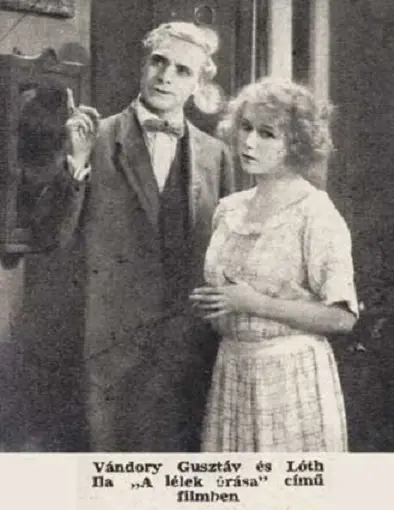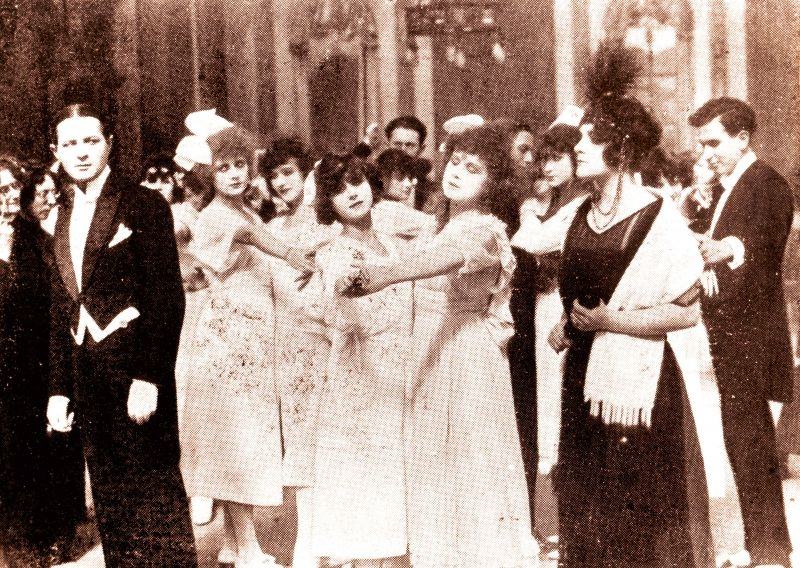
The year 1920 stands as a pivotal epoch in the annals of Hungarian cinema, a period where the burgeoning language of the silver screen began to find its poetic voice amidst the political upheavals of Central Europe. Jön a rozson át! (Coming Through the Rye) emerges from this crucible not merely as an adaptation of Hel...
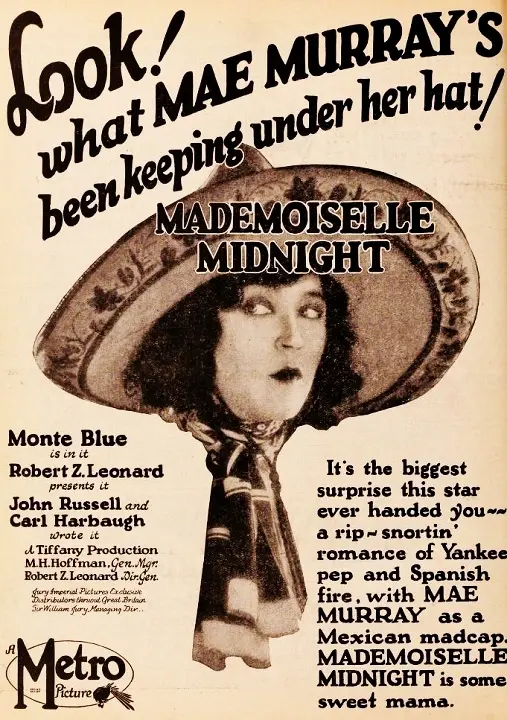
publicity
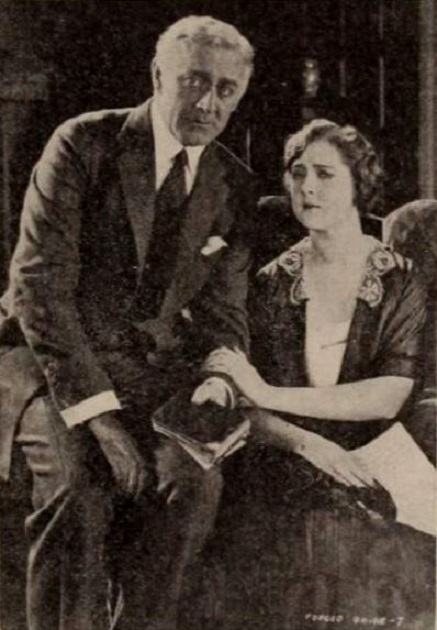
still_frame
Comparing the cinematic DNA and archive impact of two defining moments in cult history.
Béla Balogh
Béla Balogh
Community
Log in to comment.
" The year 1920 stands as a pivotal epoch in the annals of Hungarian cinema, a period where the burgeoning language of the silver screen began to find its poetic voice amidst the political upheavals of Central Europe. Jön a rozson át! (Coming Through the Rye) emerges from this crucible not merely as an adaptation of Helen Mathers’ Victorian bestseller, but as a testament to the sophisticated artistry of a young Géza von Bolváry. Before he would become a titan of the UFA studios in Berlin, Bolváry..."