The first time you see the corridor, you swear it breathes. Richárd Falk and József Pakots never wrote a scenario so much as seanced it: a lattice of cigarette smoke, forged ration cards, and the metallic taste of 1919 anxiety. Director Géza von Bolváry—still in his mid-twenties—leans into the warped sets as if afraid...
Comparing the cinematic DNA and archive impact of two defining moments in cult history.
Béla Balogh
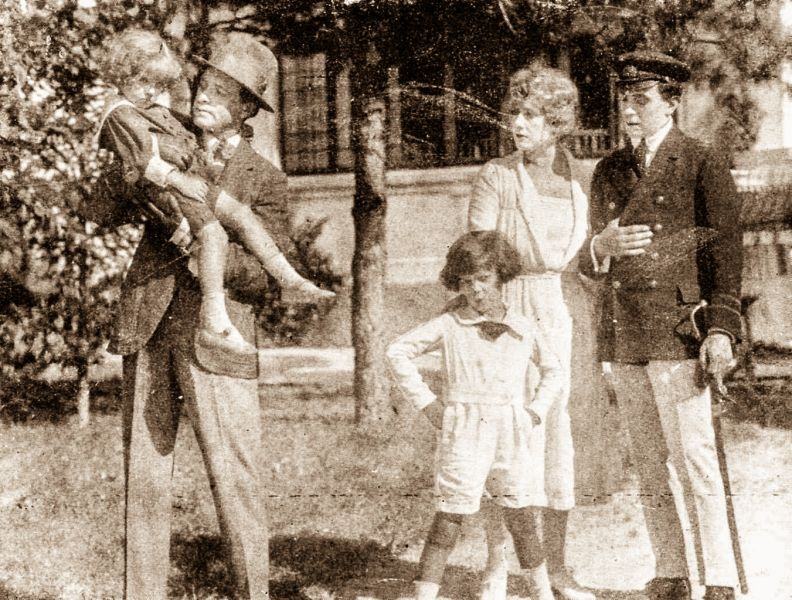
Béla Balogh
Community
Log in to comment.
" The first time you see the corridor, you swear it breathes. Richárd Falk and József Pakots never wrote a scenario so much as seanced it: a lattice of cigarette smoke, forged ration cards, and the metallic taste of 1919 anxiety. Director Géza von Bolváry—still in his mid-twenties—leans into the warped sets as if afraid they’ll evaporate. Walls skew at 15-degree angles; shadows fall upward; the camera itself seems to inhale opium. The result is less a narrative than a séance conducted inside a fe..."
Thea Worth
Richárd Falk, József Pakots
Hungary

Deep dive into the cult classic
Discover similar cinematic experiences
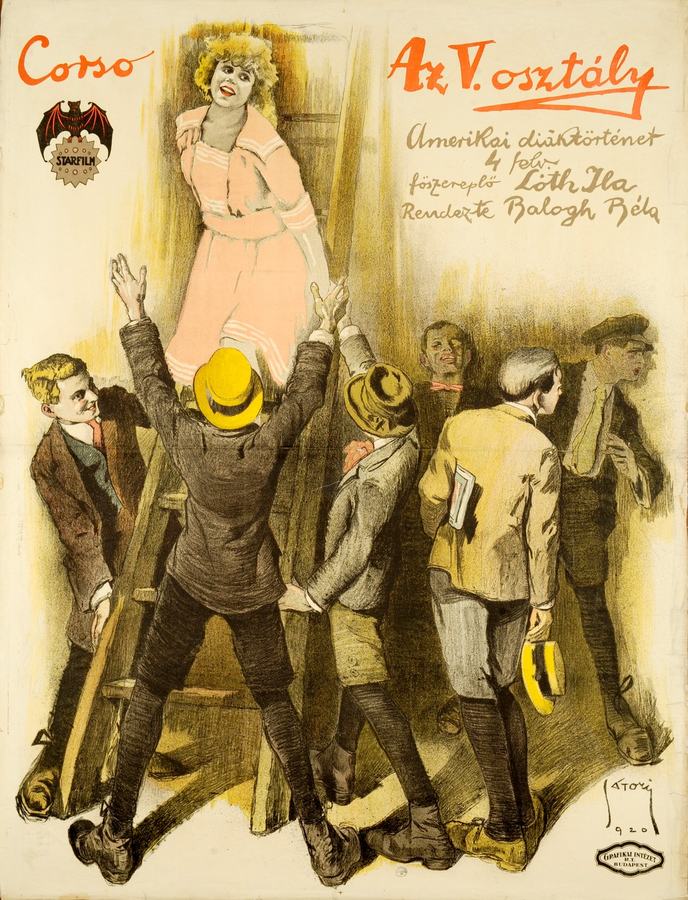
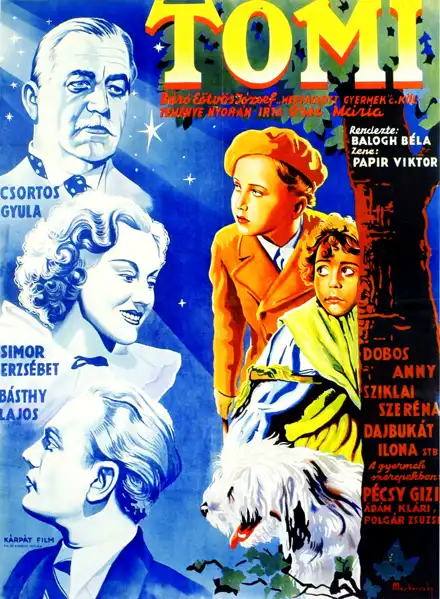
A Directorial Spotlight on Béla Balogh