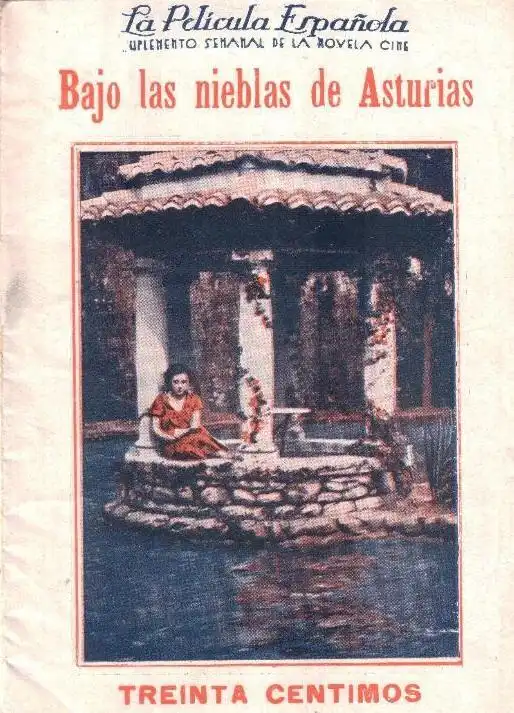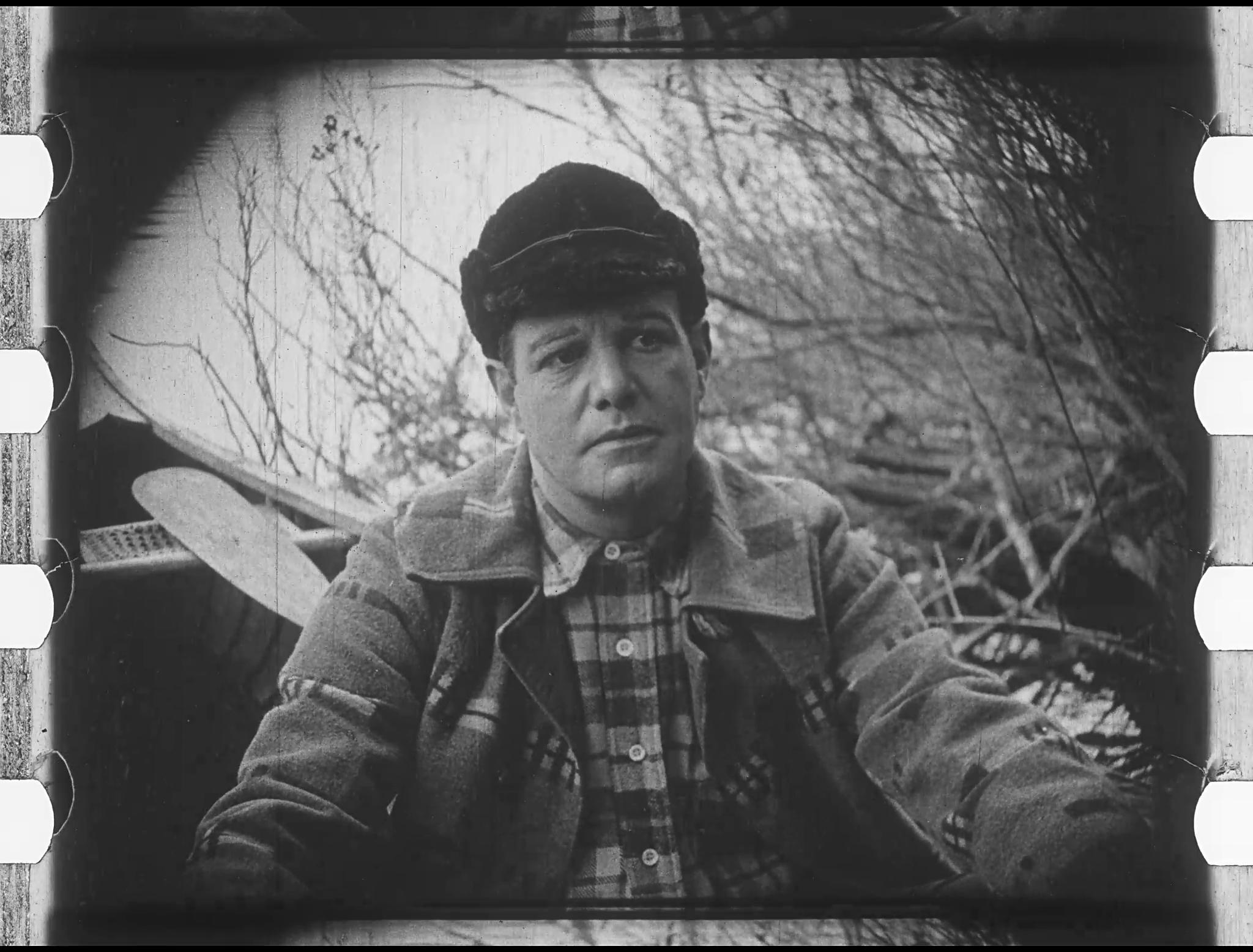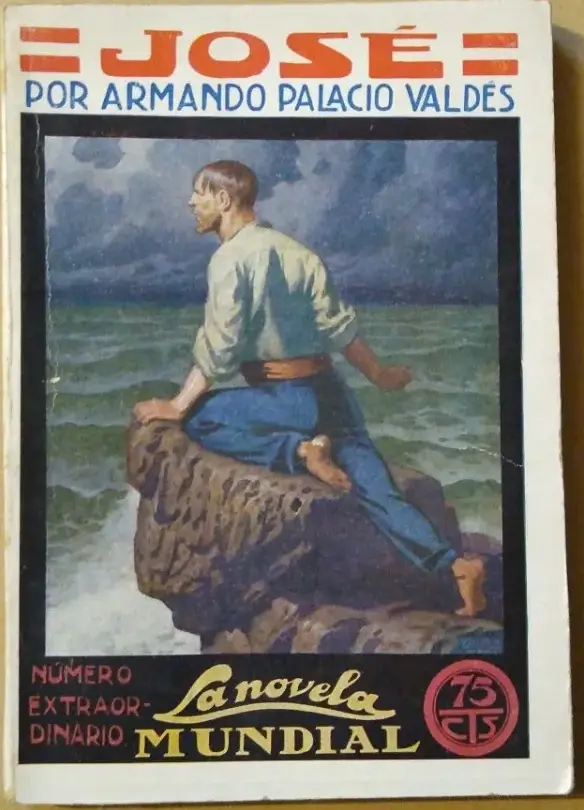
Late 19th century-early 20th century. In the fictional coastal town of Rodillero, Asturias, José is a young fisher who falls in love with Elisa, but both families opposite to the relation because personal interests.
Is José a film you should track down in the digital archives today? Short answer: Yes, but only if you have an appetite for the slow-burning misery of 19th-century regionalism and can appreciate the aesthetic of salt-stained despair. This isn't a swashbuckling adventure; it’s a heavy, grounded drama about how poverty t...

Comparing the cinematic DNA and archive impact of two defining moments in cult history.
Manuel Noriega
Maurice Elvey
Community
Log in to comment.
"Is José a film you should track down in the digital archives today? Short answer: Yes, but only if you have an appetite for the slow-burning misery of 19th-century regionalism and can appreciate the aesthetic of salt-stained despair. This isn't a swashbuckling adventure; it’s a heavy, grounded drama about how poverty turns families into enemies. It is essential viewing for historians of Spanish cinema and fans of silent realism, but it will likely alienate those seeking the fast-paced escapism o..."
Antonio Zaballos
Carlos Primelles, Armando Palacio Valdés
Spain