DbcultAccessing Vault...
6.9/10
Senior Film Conservator
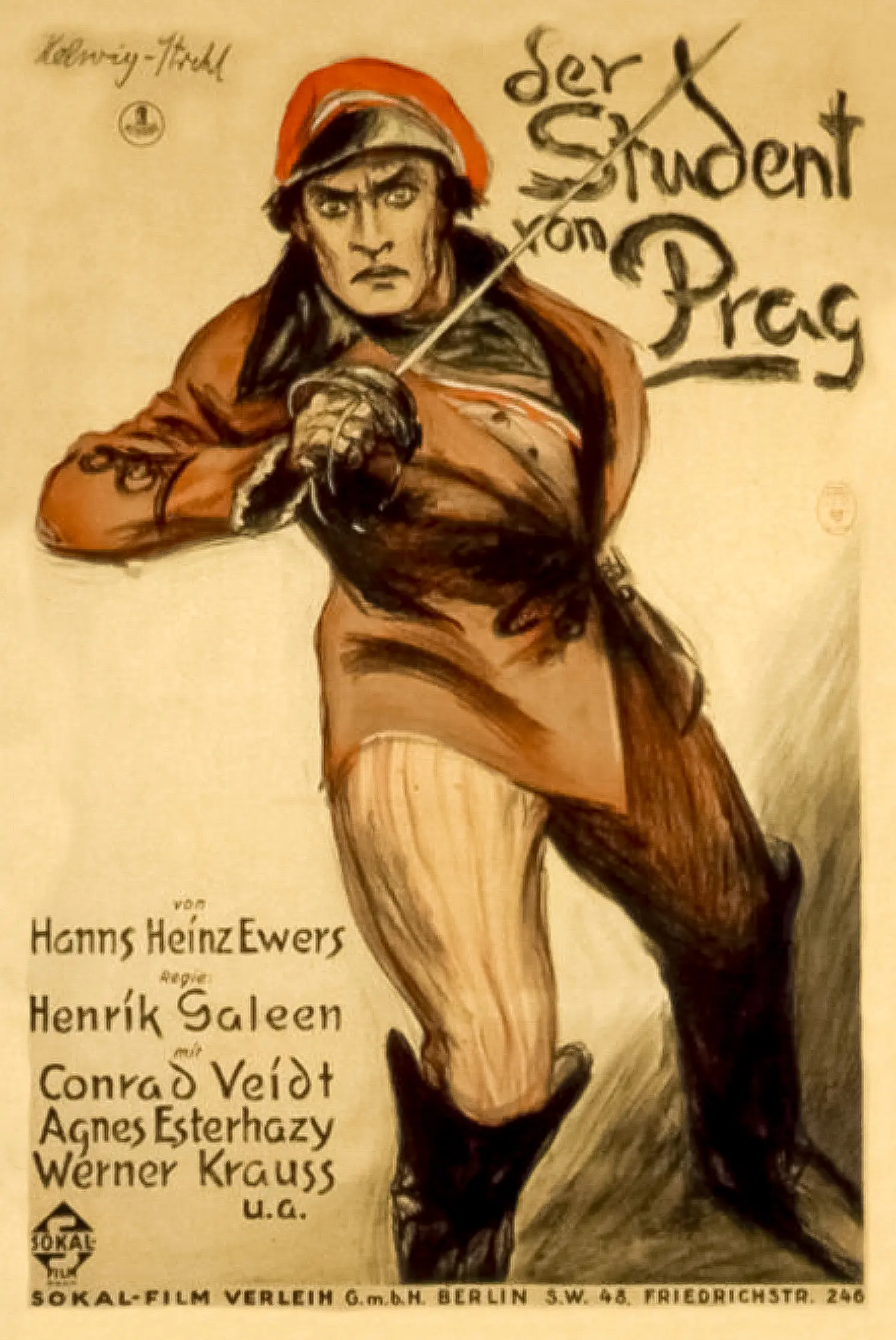
A definitive 6.9/10 rating for a film that redefined the boundaries of cult cinema. The Student of Prague remains a cornerstone of transgressive art.
Is 'The Student of Prague' (1926) still worth your time in the modern era? Short answer: absolutely, but with significant caveats. This brooding German Expressionist film is a compelling watch for aficionados of early cinema, psychological horror, and gothic romance, particularly those with a keen interest in the genre's foundational texts. However, viewers accustomed to contemporary pacing and explicit narrative clarity might find its deliberate rhythm and symbolic storytelling a challenging, perhaps even frustrating, experience.
This film works because of its groundbreaking psychological depth, its masterful use of visual storytelling, and Conrad Veidt’s utterly captivating dual performance, which transcends the limitations of silent cinema. It fails, for some, due to a pacing that demands patience and a narrative style that prioritizes mood and symbolism over straightforward exposition. You should watch it if you appreciate the artistic daring of the Expressionist movement, are fascinated by the origins of horror, or simply seek a visually arresting and emotionally resonant character study that delves into the darkest corners of the human psyche.
In the cobblestone labyrinth of Prague, we meet Balduin, a student trapped in a melancholic ennui. The boisterous revelry of his peers, the clatter of swords in a duel – these once-vibrant aspects of student life now feel hollow. His heart, however, yearns for something more profound: love. Yet, his crushing poverty casts a long, isolating shadow, rendering any pursuit of a woman of social standing an impossible dream. He drifts, oblivious to the quiet devotion of Lyduschka, a woman whose affection he simply cannot see.
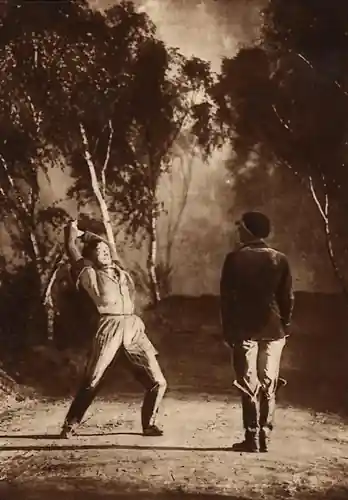
It is in this crucible of despair that a figure emerges from the gloom: Scapinelli, a mysterious money-lender with an unsettling grin and an even more unsettling proposition. He offers Balduin a fortune, a key to unlock the doors of society and pursue his aristocratic beloved, Margit. But this Faustian pact comes with a chilling, abstract condition: Balduin must surrender his reflection. What begins as a seemingly innocuous exchange quickly unravels into a terrifying descent into self-confrontation, as Balduin discovers that losing his reflection is not merely a physical absence, but a profound severing of his very soul, manifesting as a doppelgänger who stalks his every move, embodying his deepest fears and most regrettable impulses.
Henrik Galeen's direction, in collaboration with the visionary cinematography of Günther Krampf and Erich Nitzschmann, elevates 'The Student of Prague' far beyond a simple narrative. This is not merely a story told, but an atmosphere conjured. The film is a masterclass in German Expressionism, utilizing exaggerated sets, stark lighting, and deep shadows to externalize Balduin’s internal turmoil. Prague itself becomes a character, its ancient, winding streets and gothic architecture reflecting the protagonist’s fractured psyche.
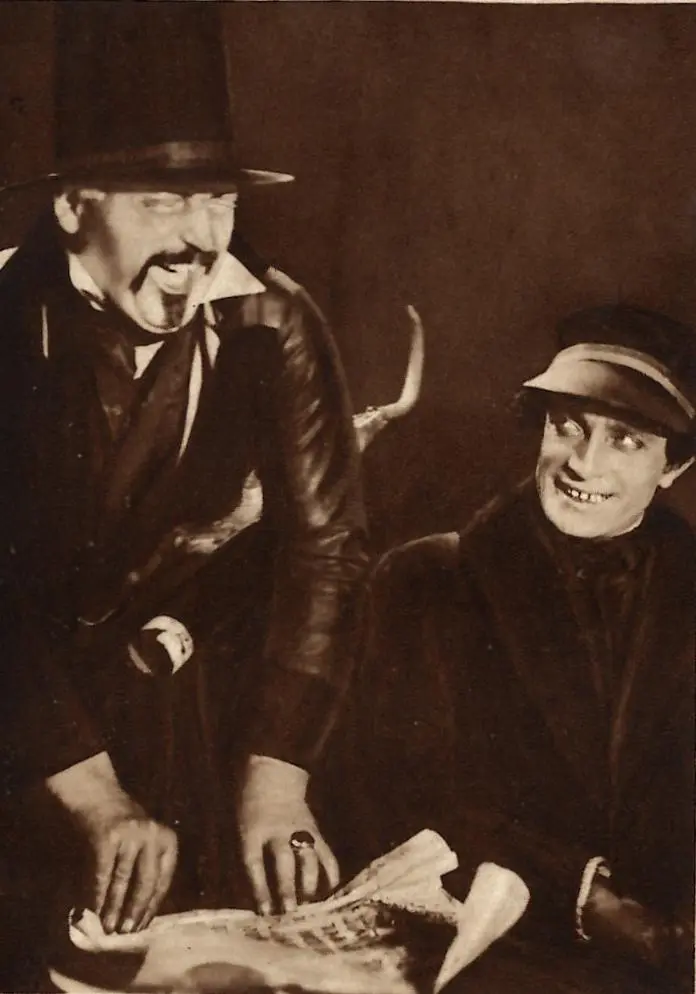
Consider the scene where Scapinelli first appears to Balduin. The shadowy alleyways, the sudden materialization of the enigmatic figure, the way light seems to bend around him – it’s a visual shorthand for the supernatural intrusion into Balduin's mundane existence. This isn't realism; it's psychological landscape painting. The iconic mirror scene, where Balduin’s reflection detaches and takes on a life of its own, is an early triumph of special effects, but its true power lies in its thematic weight. It’s a moment of profound dread, not just because of the visual trickery, but because it visually articulates the loss of self, a concept far more terrifying than any jump scare.
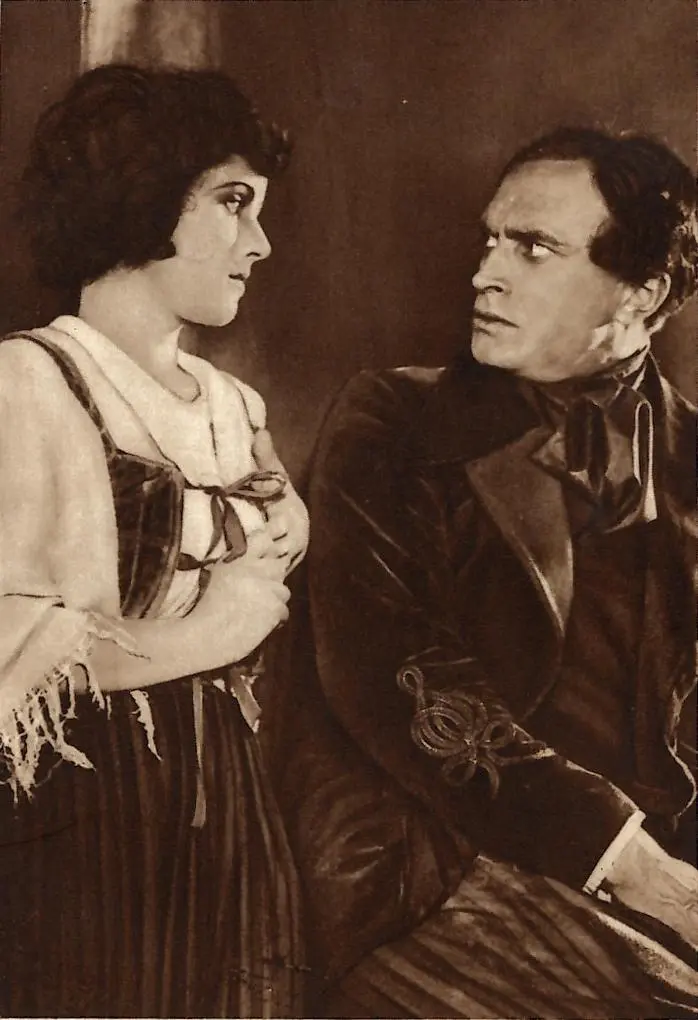
The camera work is deliberate, often static, allowing the mise-en-scène to do the heavy lifting of storytelling. Close-ups are used sparingly but effectively, drawing attention to the raw emotion etched on Veidt’s face. Galeen understands that the horror here is not external, but internal, and the visuals consistently reinforce this. The film's aesthetic influence is undeniable, paving the way for countless subsequent horror and psychological thrillers. It’s a bold artistic statement, demanding that the viewer engage with its visual language on a deeper, almost subconscious level.
To discuss 'The Student of Prague' without centering Conrad Veidt's performance would be a critical oversight. Veidt, a titan of silent cinema, delivers a masterclass in physical and emotional expression that remains compelling almost a century later. As Balduin, he embodies the student’s initial world-weariness with a palpable sense of longing and despair. His eyes, often downcast or gazing into the middle distance, convey a soul adrift, even before the supernatural elements take hold.
Where Veidt truly shines is in his portrayal of Balduin's descent into madness and his terrifying encounters with his doppelgänger. The subtlety of his gestures, the slight tremor in his hands, the growing wildness in his eyes – these are the tools of a performer who understood how to convey complex internal states without a single spoken word. His physical confrontation with his mirror image, a scene requiring immense technical skill and emotional commitment, is breathtaking.
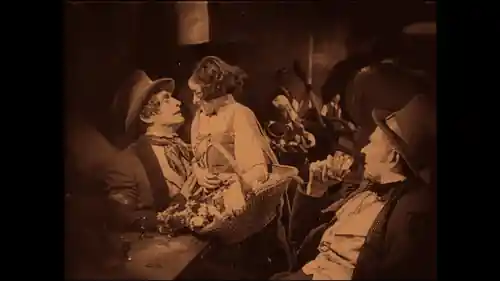
Veidt's ability to play both the tormented Balduin and his malevolent double is nothing short of brilliant. The doppelgänger, often appearing with a chilling, knowing smirk, is not just a visual effect but a distinct character, imbued with its own sinister personality by Veidt’s nuanced acting choices. This duality is central to the film’s power, showcasing Veidt's unparalleled range. His work here stands alongside his iconic portrayal of Cesare in Waxworks, cementing his legacy as an actor capable of conveying profound psychological horror with minimal external theatrics. He makes Balduin's suffering tangible, his fear infectious, and his ultimate undoing tragic.
The pacing of 'The Student of Prague' is a divisive topic. For modern audiences accustomed to rapid-fire editing and constant narrative propulsion, its deliberate, almost languid rhythm can feel slow. However, to dismiss it for this reason is to misunderstand its artistic intent. The film’s unhurried pace is not a flaw; it is a crucial element of its design, allowing the pervasive sense of dread to slowly seep into the viewer’s consciousness. It builds atmosphere brick by painstaking brick, rather than relying on quick scares.
The tone is consistently melancholic, gothic, and unsettling. There's a dreamlike quality to many sequences, a surreal logic that prioritizes emotional impact over strict realism. This is the essence of Expressionism: to distort reality to reveal inner truths. The quiet moments, often filled with Balduin's contemplative despair, are as vital as the more dramatic confrontations with his shadow-self. They allow the audience to inhabit Balduin's psychological space, feeling the weight of his impossible bargain and the encroaching terror of his fractured identity.
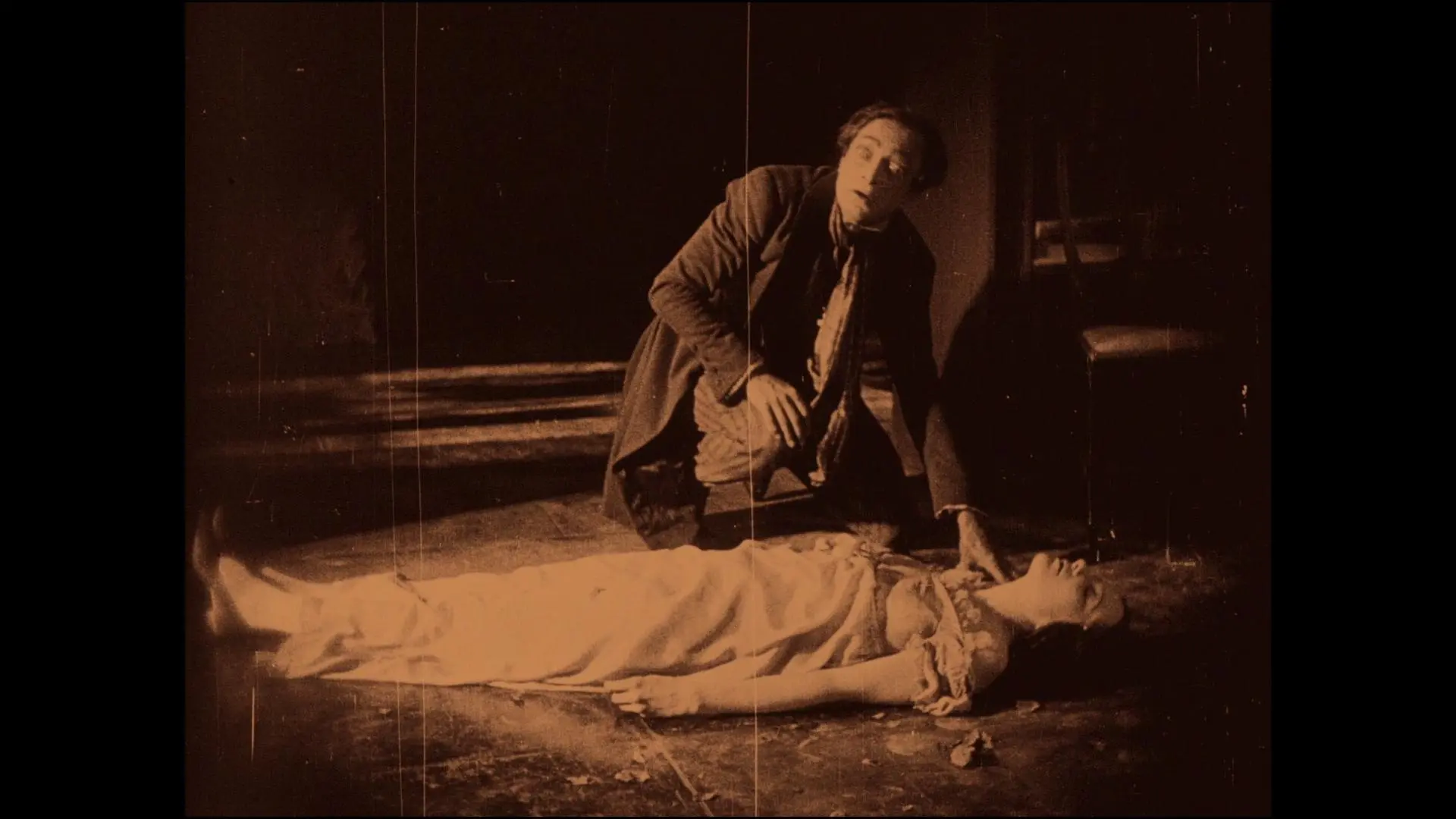
The film's tone is largely achieved through its visual canvas. The stark contrasts between light and shadow, the exaggerated angles of the sets, and the almost theatrical performances all contribute to a world that feels both familiar and deeply alien. It’s a tonal tightrope walk, maintaining a sense of heightened reality without tipping into outright absurdity. Galeen manages to sustain this delicate balance, ensuring that the film's psychological horror remains potent and genuinely disturbing, rather than merely a period curiosity.
Yes, 'The Student of Prague' absolutely holds up as a significant and impactful film today.
It offers a unique window into early cinematic techniques and the birth of psychological horror.
Its themes of identity, temptation, and the doppelgänger remain universally resonant.
Conrad Veidt's performance is timeless and powerful, requiring no dialogue to convey complex emotions.
The Expressionist visuals are stunning and influential, still inspiring filmmakers today.
However, be prepared for a slower pace than modern films and a reliance on visual symbolism.
Here's a quick look at where 'The Student of Prague' truly shines and where it might falter for some viewers:
In the pantheon of early horror and psychological drama, 'The Student of Prague' (1926) stands as a foundational text, a chilling exploration of identity, desire, and the terrifying consequences of a bargain with the devil. It works. But it’s flawed. Its deliberate pace, often cited as a weakness, is in fact its strength, allowing the insidious dread to take root and flourish. This is a film that demands your attention, rewards your patience, and lingers in the mind long after the final frame. It is not merely a historical curiosity; it is a potent, unsettling experience that continues to resonate, proving that true horror lies not in the monster without, but in the shadow within. A must-see for anyone serious about cinema history and the origins of psychological terror.
IMDb —
1918
Community
Log in to comment.