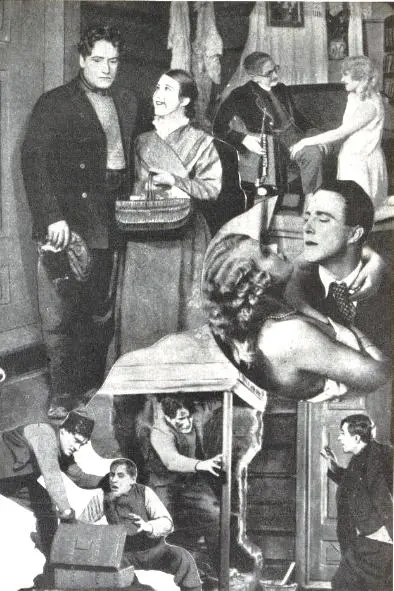
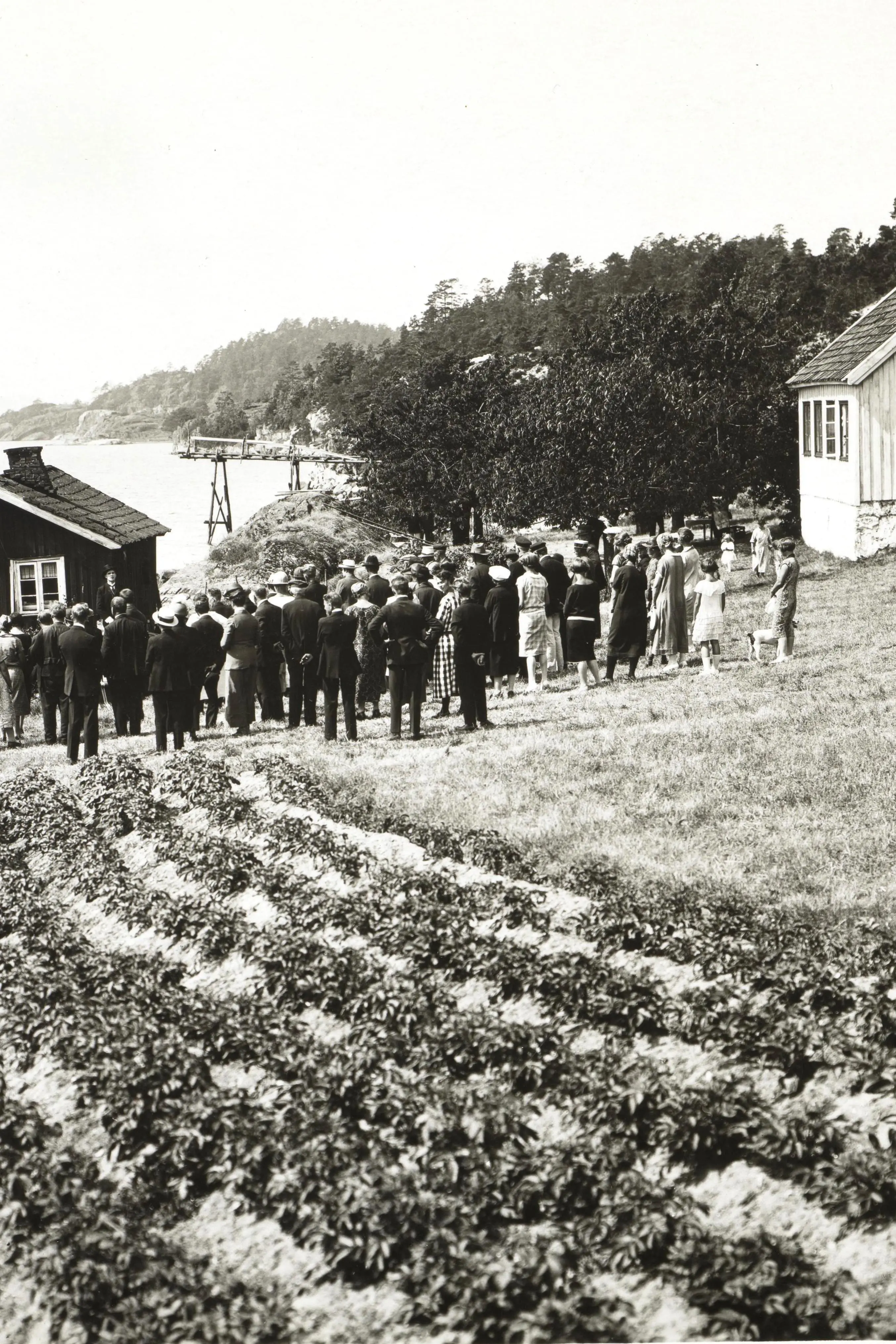
In the most beautiful Telemark a young boy grown up on a rich farm wanting to be a fiddle player like the son at the poorer neighboring farm, to his father's dislike. One day the father is found dead.
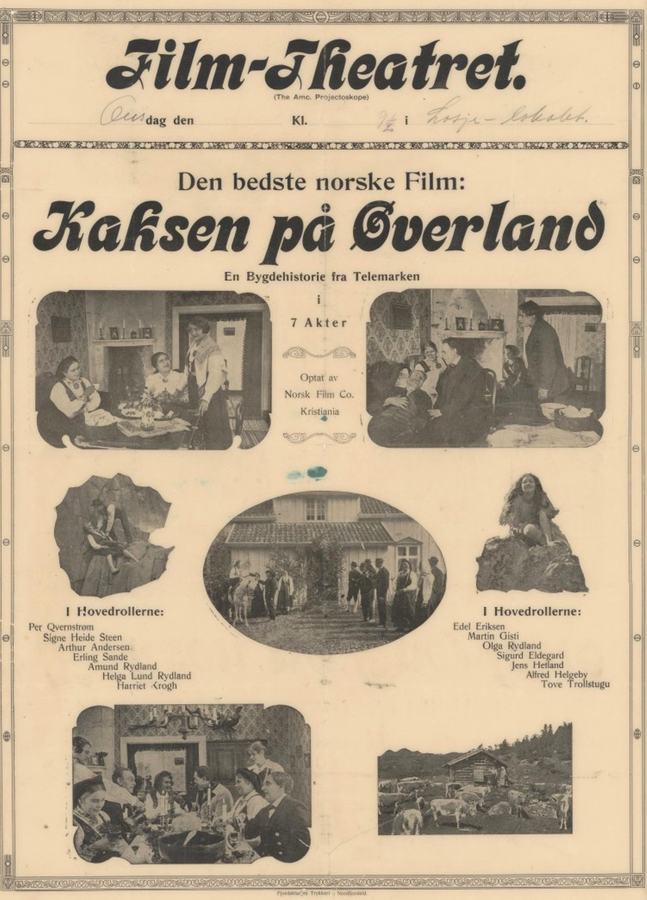
A valley of sheep and secrets The first thing that strikes you is the light—not the postcard aurora you expect from fjord-country legend, but a cool, razor-thin Nordic glow that cinematographer Ivar Jentoft bends like glass. He glides across Telemark’s quilt of summer green, lingers on the fiddle-player’s calloused fi...
Comparing the cinematic DNA and archive impact of two defining moments in cult history.
Gustav Adolf Olsen

Robert N. Bradbury
Community
Log in to comment.
" A valley of sheep and secrets The first thing that strikes you is the light—not the postcard aurora you expect from fjord-country legend, but a cool, razor-thin Nordic glow that cinematographer Ivar Jentoft bends like glass. He glides across Telemark’s quilt of summer green, lingers on the fiddle-player’s calloused fingertips, then tilts upward until the sky becomes a vaulted confession booth. Within this cathedral of grass and guilt, Kaksen på Øverland plants its saga of inheritance and music,..."
Tove Trollstugo
Gustav Adolf Olsen
Norway
Deep dive into the cult classic
Discover similar cinematic experiences
A Directorial Spotlight on Gustav Adolf Olsen