DbcultAccessing Vault...
Cult Review
Senior Film Conservator
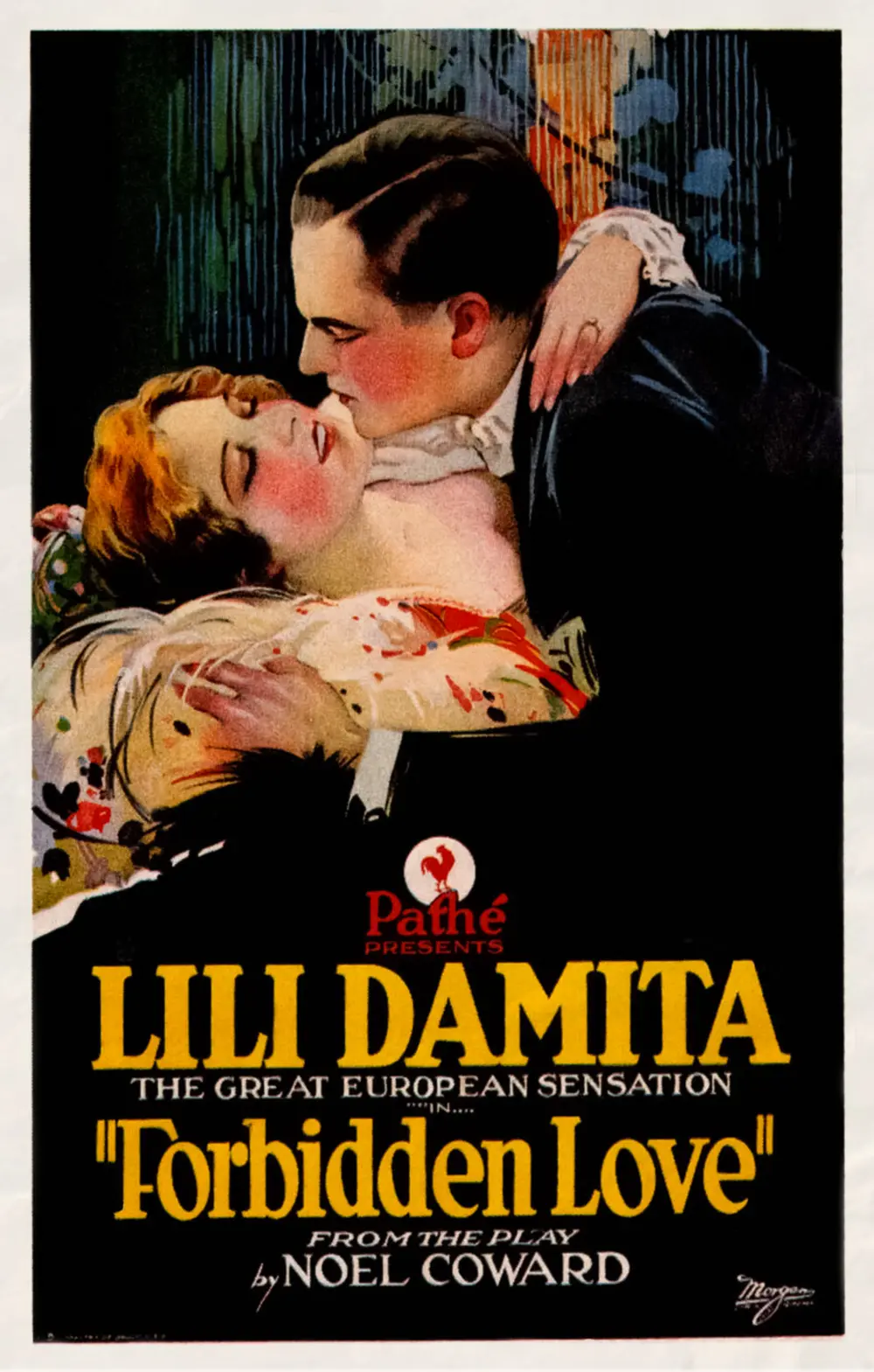
Does Forbidden Love (1927) still hold up a century later? The short answer is a resounding yes, though with significant caveats for modern audiences. This silent era melodrama, a stark exploration of love and duty, offers a compelling, if somber, experience for those willing to engage with its historical context and dramatic conventions.
It is unequivocally for viewers who appreciate the profound emotional storytelling of early cinema, the artistry of silent acting, and narratives that delve into the crushing weight of societal expectations. Conversely, it is decidedly not for those seeking fast-paced action, lighthearted romance, or contemporary narrative structures, which might find its deliberate pacing and overt emotionality challenging.
This film works because it masterfully crafts a deeply empathetic portrayal of a woman trapped by circumstance, powered by a central performance that transcends the silent medium. Its historical value as a window into the dramatic sensibilities of the late 1920s is also undeniable, offering a raw, unvarnished look at societal pressures.
This film fails because its pacing can feel glacial by today's standards, and its reliance on the era's signature melodramatic flourishes occasionally veers into the predictable, diluting some of its emotional impact for contemporary viewers. The narrative, while potent, sometimes sacrifices nuance for broad strokes of tragedy.
You should watch it if you are a devotee of silent cinema, a student of film history, or someone who appreciates a profound, if melancholic, character study. It’s also an essential viewing for those interested in the early works of its notable cast and crew, offering a unique glimpse into a bygone era of storytelling.
At its core, Forbidden Love is a study in the suffocating power of societal expectation. We are introduced to a widowed princess, portrayed with a poignant fragility by Trude Hesterberg, whose life is a tapestry woven with duty and the echoes of a past love. Her unexpected connection with an author (Louis Ralph) blossoms not in scandalous secrecy, but in a quiet, almost intellectual understanding that transcends their stations.
This isn’t a fiery, illicit affair; it's a desperate grab for genuine connection in a world that dictates every aspect of her existence. The 'forbidden' aspect isn't merely about social taboo, but about the princess's utter lack of agency, her inability to choose her own happiness. The subsequent forced marriage to a prince, a political maneuver, is the ultimate crushing blow, not just to the lovers, but to the very concept of individual will.
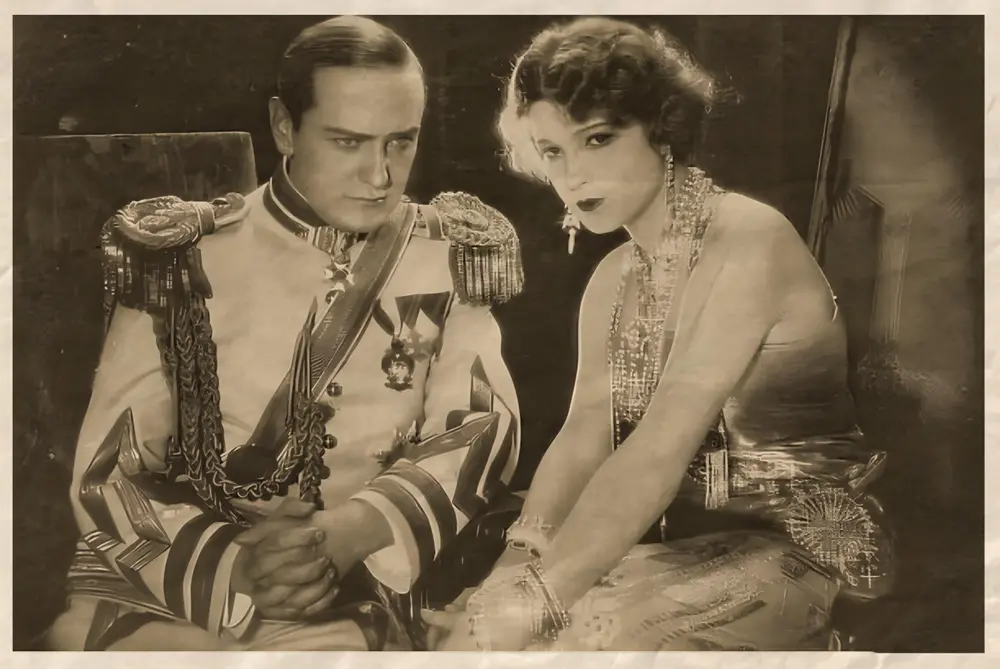
The author's tragic response isn't just a personal failing, but a stark indictment of a system that offers no escape. It’s a stark, somber tale. The film reinterprets the simple plot into a powerful commentary on the personal cost of public life, making the princess's ultimate fate far more devastating than a mere broken heart; it’s a broken spirit.
Director Graham Cutts, known for his work in British cinema before Alfred Hitchcock’s rise, helms Forbidden Love with a keen eye for visual storytelling. In an era devoid of spoken dialogue, Cutts relies heavily on composition, mise-en-scène, and the raw power of his actors' expressions. His direction is deliberate, allowing scenes to unfold at a pace that might feel languid to modern viewers but was essential for building emotional weight in 1927.
Cutts effectively uses contrast to highlight the princess's plight. We see opulent, sprawling palace sets that, despite their grandeur, feel cold and impersonal, often framing Hesterberg as a small, isolated figure. In stark opposition, the scenes shared with the author are often more intimately framed, perhaps in a garden or a cozy study, using closer shots to emphasize their connection. This visual dichotomy effectively communicates her internal struggle without a single spoken word.
One particularly striking directorial choice is the recurring motif of windows and doorways, subtly used to represent both confinement and glimpses of freedom. The princess is often framed looking out, longing, or shown entering/exiting spaces that visually reinforce her constrained movement within her own life. This isn't groundbreaking, but it is consistently effective, a testament to silent film's reliance on visual grammar.
In a silent film, the actors are the storytellers, their faces and bodies the primary conduits of emotion. Forbidden Love is blessed with a cast capable of conveying profound depth without dialogue, particularly Trude Hesterberg as the widowed princess.
Hesterberg’s performance is the film’s anchor. Her eyes, often downcast or filled with a quiet despair, speak volumes. When she learns of her forced marriage, her reaction is not an outburst, but a subtle collapse, a slow draining of light from her face that is far more impactful than any dramatic gesture. She embodies the tragedy of a woman whose heart is constantly at war with her crown.
Louis Ralph as the author matches her intensity, though his portrayal leans more into the passionate despair characteristic of the era. His initial charm gives way to a palpable agony, and his final, desperate act, while melodramatic, is conveyed with an almost unbearable sense of finality. Rudolf Klein-Rogge, though perhaps underutilized, brings a necessary gravitas to his role, his presence often serving as a silent, imposing force of the rigid societal order.
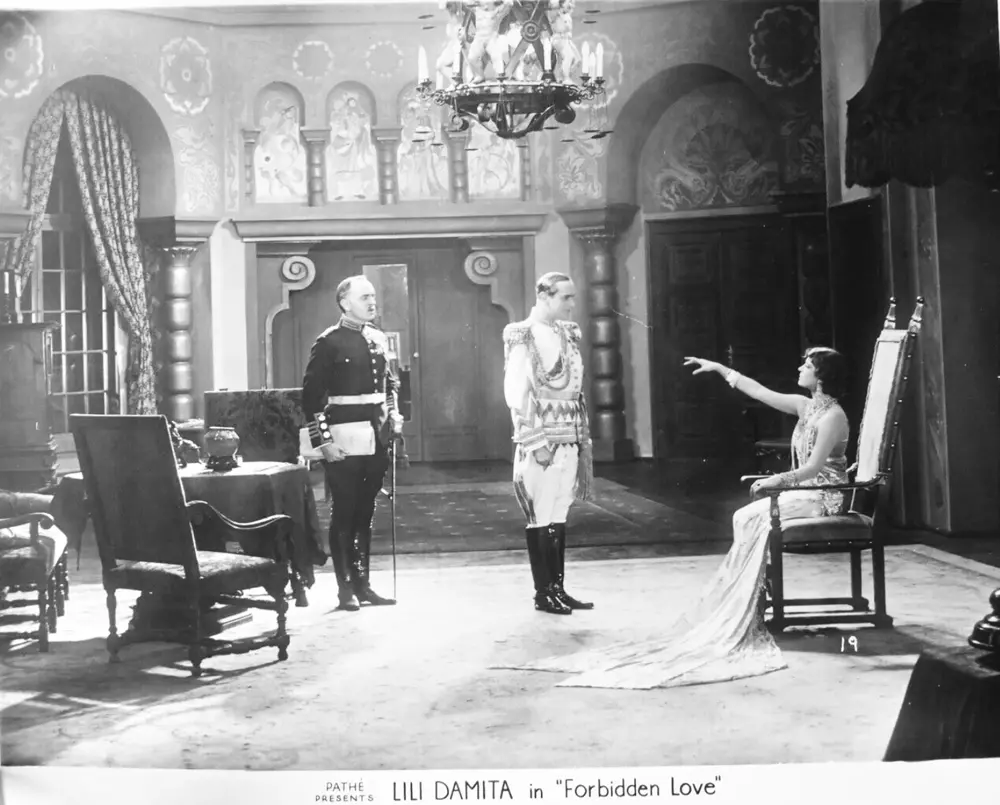
The ensemble, including Frida Richard and Ernö Verebes, contributes to the film’s emotional texture, each playing their part in the princess's constrained world. It's a masterclass in non-verbal communication, reminding us of the raw power of human expression.
The visual aesthetic of Forbidden Love is a testament to the artistry of silent era cinematography. The black and white palette is not a limitation but a tool, expertly manipulated to create mood and atmosphere. Lighting, in particular, plays a crucial role.
We see scenes bathed in soft, romantic light during the princess’s moments with the author, creating an illusion of warmth and intimacy. Conversely, the royal settings are often starkly lit, emphasizing the coldness and formality of her life. Shadows are frequently used to convey despair or foreboding, especially in the later acts as tragedy looms.
The art direction, while perhaps not as lavish as some Hollywood contemporaries like Fig Leaves, is effective in establishing the princess's world. The sets, from grand ballrooms to more intimate studies, are detailed enough to feel authentic without overwhelming the human drama. They serve as silent characters themselves, reinforcing the themes of duty and confinement. The costumes, too, reflect the era’s elegance while subtly hinting at the characters' internal states – the princess's regal attire often feels less like adornment and more like a uniform.
Pacing in silent cinema is an acquired taste for many modern viewers, and Forbidden Love adheres to the deliberate rhythm of its time. The film takes its time building the romance between the princess and the author, allowing their connection to feel organic and earned.
This slow burn, while potentially testing the patience of those accustomed to rapid-fire editing, is essential for the emotional payoff. When the inevitable forces of duty intervene, the impact is magnified because the audience has been allowed to invest deeply in the characters' budding happiness. The film doesn't rush to its tragic conclusion; it builds towards it with a palpable sense of dread.
The tone is overwhelmingly melancholic, even in moments of joy. There’s an underlying current of foreboding that permeates the narrative, a sense that happiness is fleeting and destiny is inescapable. This operatic drama, while a hallmark of the era, can feel heavy-handed at times. Yet, it’s precisely this unwavering commitment to its tragic tone that gives the film its raw power. It works. But it’s flawed.
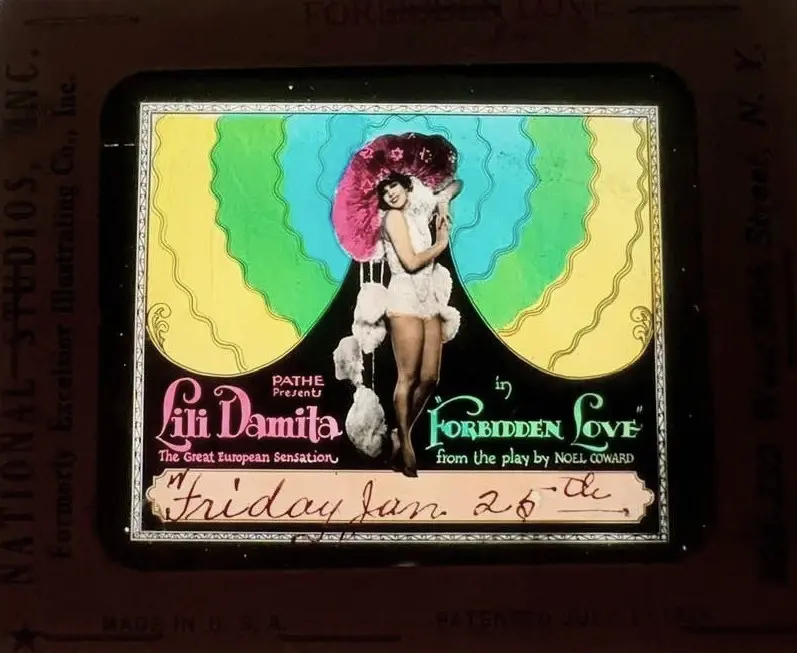
Yes, Forbidden Love (1927) is absolutely worth watching today, especially for specific audiences. It offers a unique window into early cinematic storytelling and profound emotional depth.
It is a strong recommendation for silent film enthusiasts, students of film history, and anyone interested in the social commentary hidden within historical dramas. The film's emotional core remains potent, despite its age. However, casual viewers seeking modern entertainment might find its pacing and melodramatic style challenging.
Beyond the surface romance, Forbidden Love delves into profound themes that remain relevant. The central conflict of duty versus desire is timeless, but here it's amplified by the rigid social hierarchies of the early 20th century. The princess is not just a woman in love; she is a symbol of an entire class burdened by expectations.
The film subtly critiques the institutions that deny individual happiness in the name of political expediency or tradition. Her widowed status, far from offering freedom, only seems to amplify the pressure for a politically advantageous remarriage. The author, too, is a victim of this system, his love deemed unworthy simply because of his lack of title.
An unconventional observation: the true 'forbidden' element isn't necessarily the love itself, but the very idea of a royal figure possessing genuine emotional autonomy. The film suggests that for some, love is a luxury that cannot exist within the confines of their ordained lives. This makes the author’s ultimate sacrifice not just an act of despair, but a desperate, final assertion against an unfeeling world.
Forbidden Love (1927) is not a film for everyone, nor does it pretend to be. It is a time capsule, a poignant artifact from an era when cinema spoke through grand gestures and expressive faces. Its narrative, while perhaps predictable by modern standards, is delivered with an earnest emotional weight that still resonates.
For those willing to adjust their viewing expectations and immerse themselves in the unique language of silent film, it offers a deeply moving and historically significant experience. It’s a testament to the enduring power of classic melodrama and the timeless tragedy of love lost to duty. Approach it with an open mind and a willingness to feel, and you’ll find a powerful, if somber, cinematic treasure.
IMDb —
1916
Community
Log in to comment.