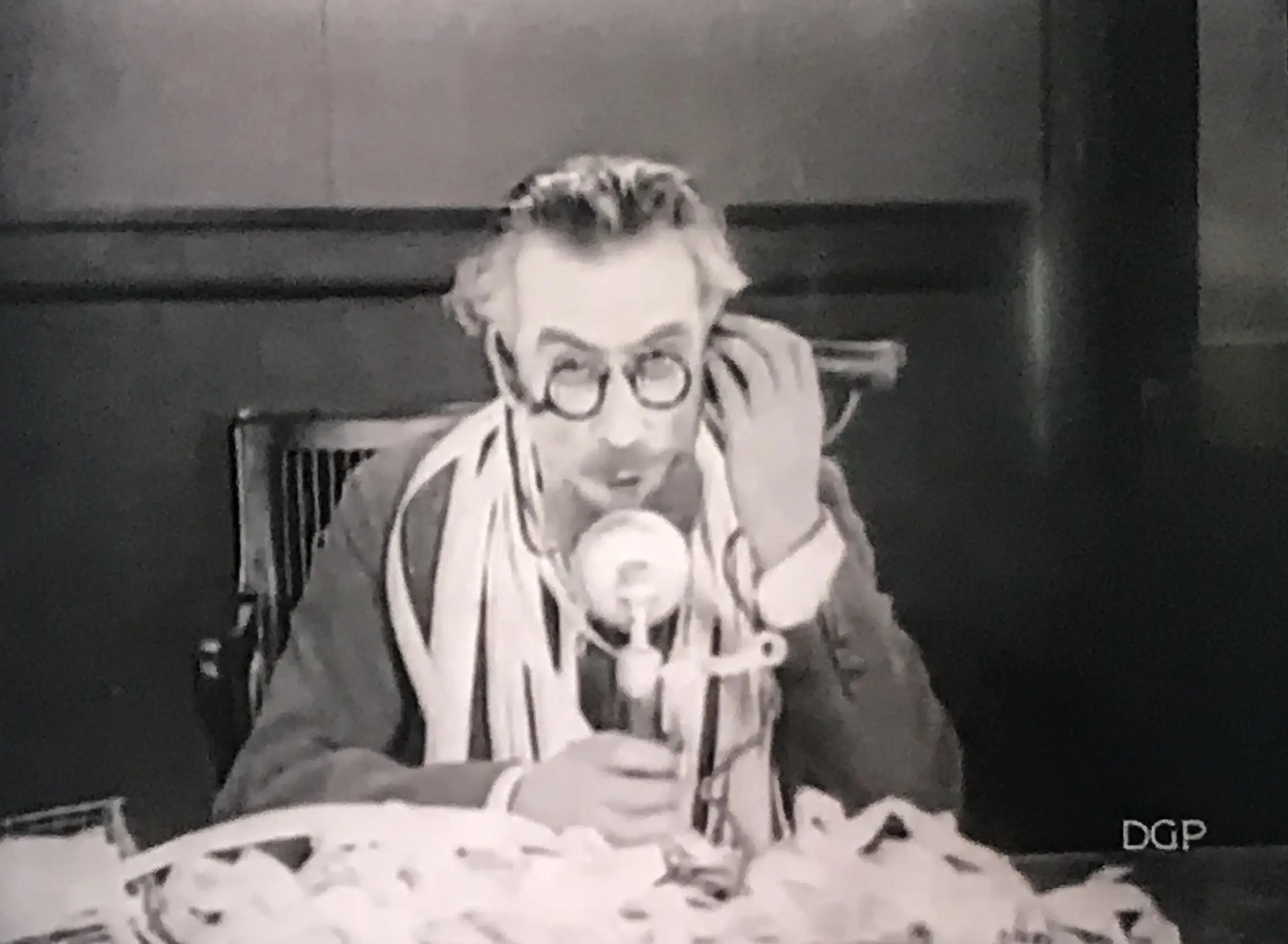
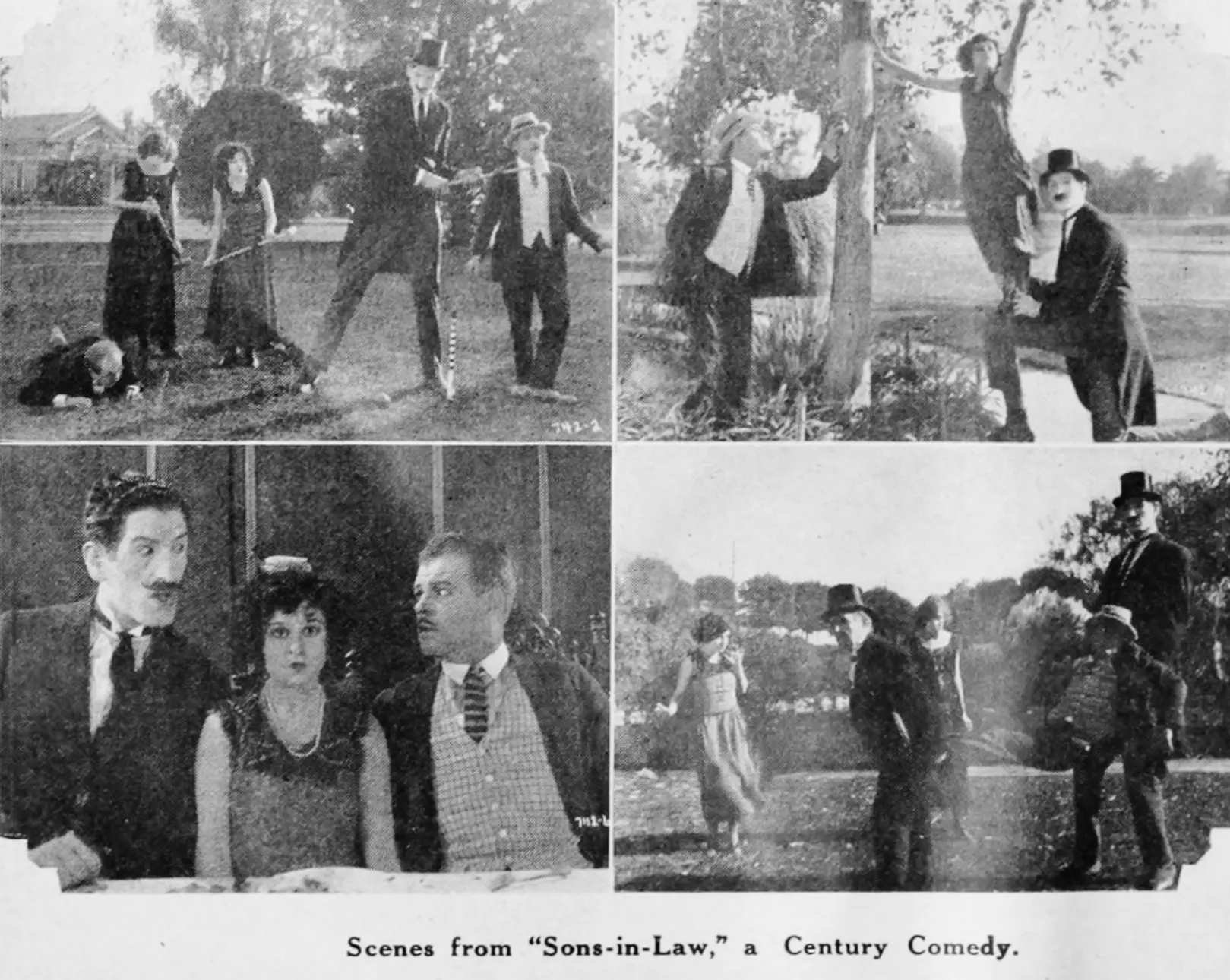
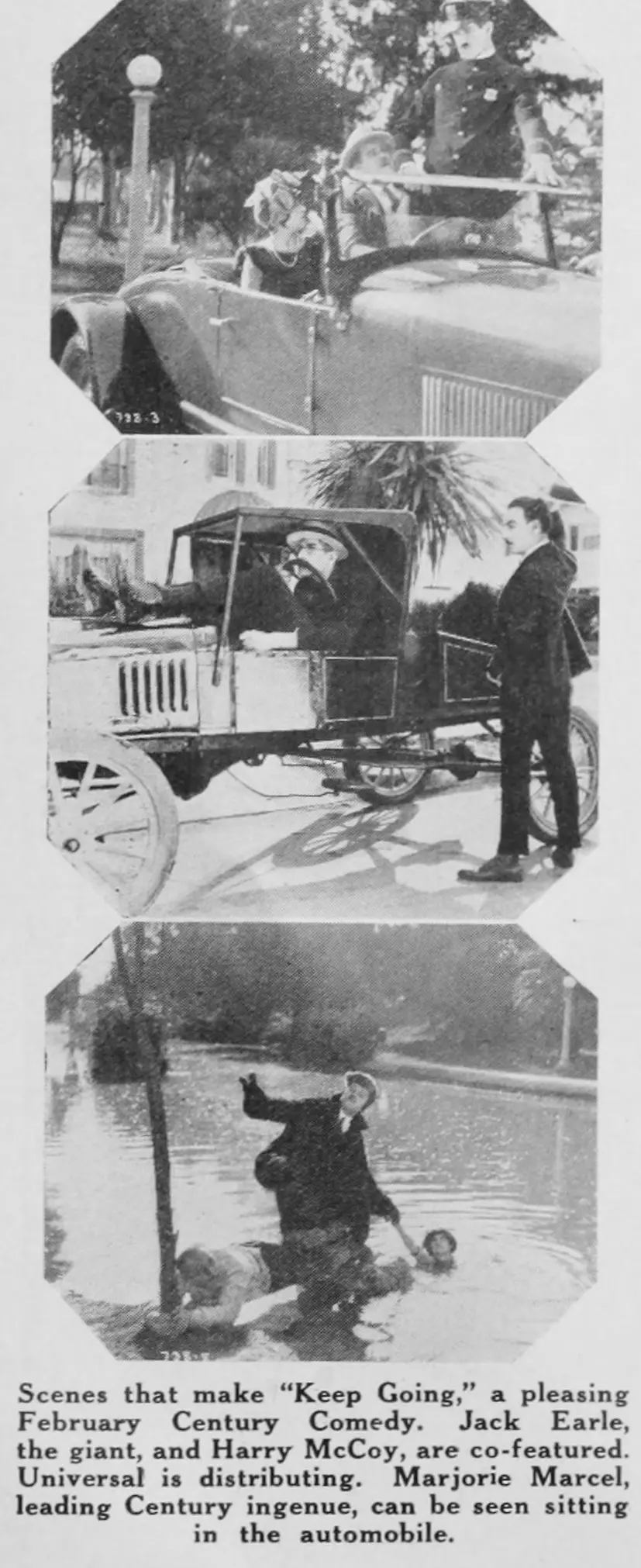
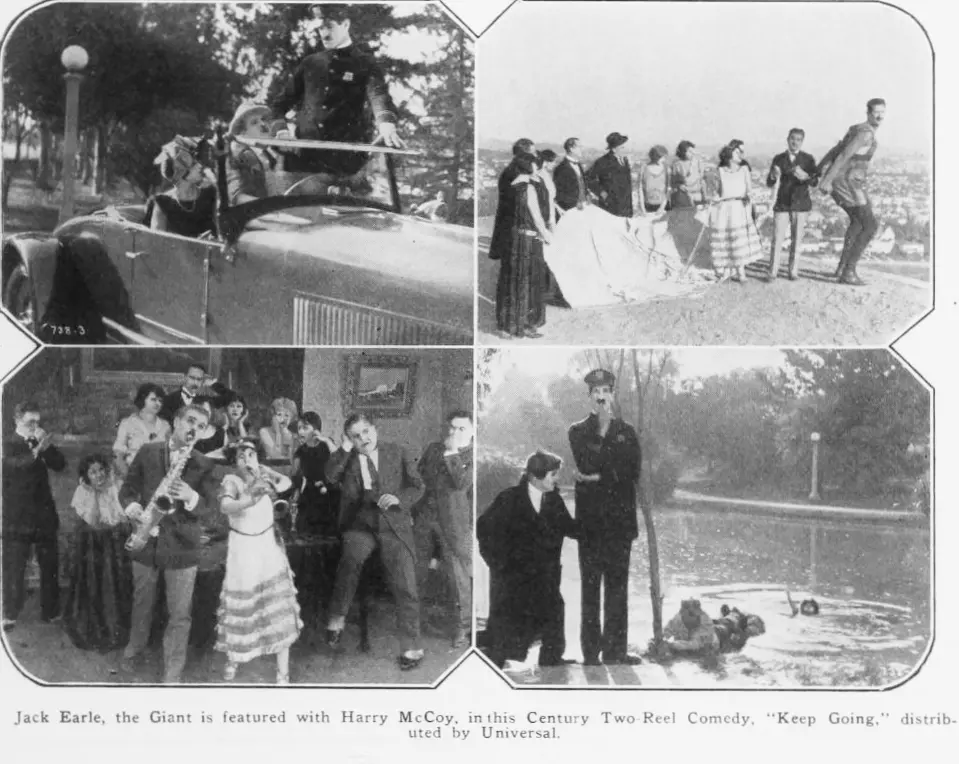
Jack, a cop, is about to pinch Harry for driving the fair maiden's roadster more than twelve miles an hour, when the latter intervenes and persuades him to tear up the ticket. Later, when Marjorie falls into a neighboring pond, both of her lovers go to the rescue.
Robert P. Kerr
United States
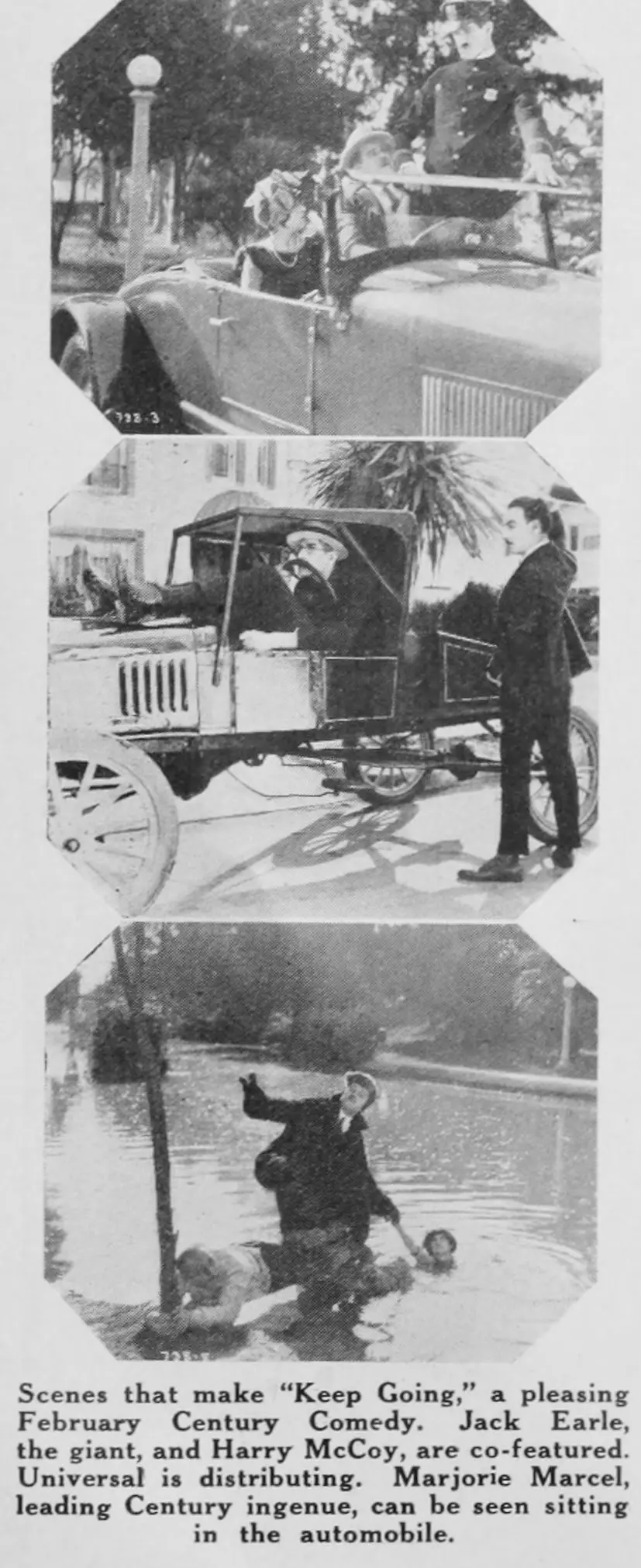
The Kinetic Irony of the Twelve-Mile Mandate In the early 1920s, the cinema was not merely a medium of storytelling but a laboratory for the physics of the human body. Keep Going (1922), directed by the often-underappreciated Robert P. Kerr, serves as a quintessential example of how ...
still_frame
still_frame

Comparing the cinematic DNA and archive impact of two defining moments in cult history.
Robert P. Kerr

Reggie Morris
Community
Log in to comment.
" The Kinetic Irony of the Twelve-Mile Mandate In the early 1920s, the cinema was not merely a medium of storytelling but a laboratory for the physics of the human body. Keep Going (1922), directed by the often-underappreciated Robert P. Kerr, serves as a quintessential example of how silent comedy utilized mundane regulations to spark narrative fire. The inciting incident—a motor vehicle violation involving a roadster pushed beyond the leisurely pace of twelve ..."