Summary
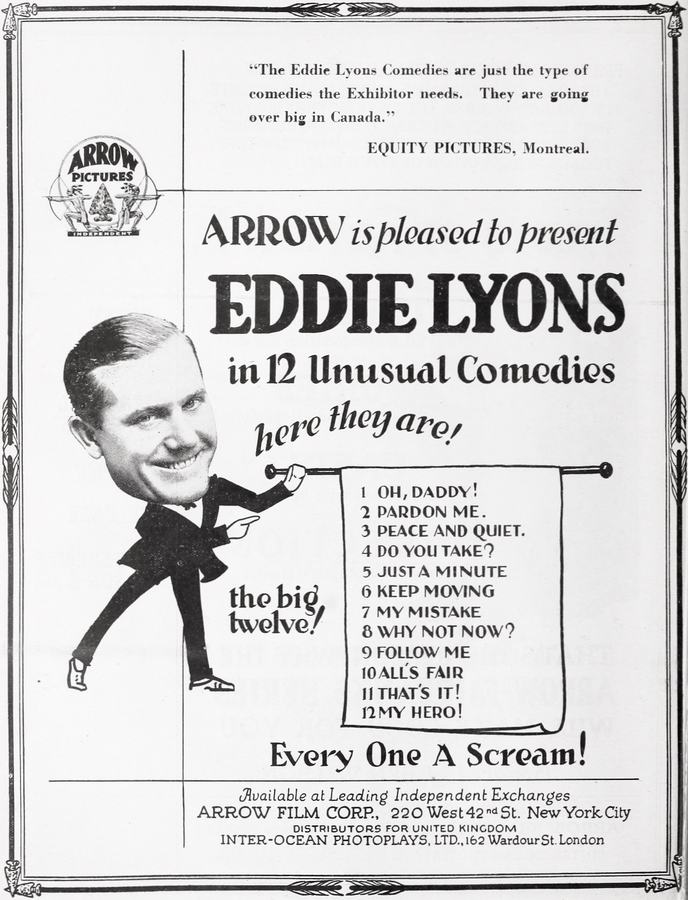
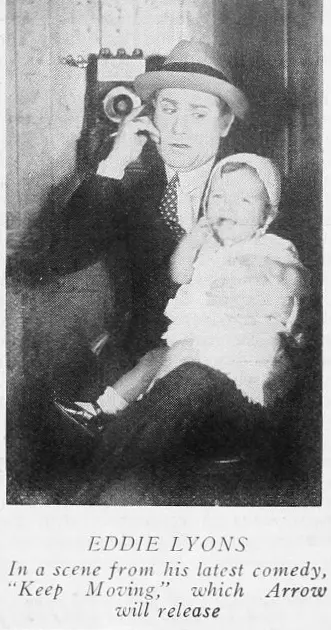
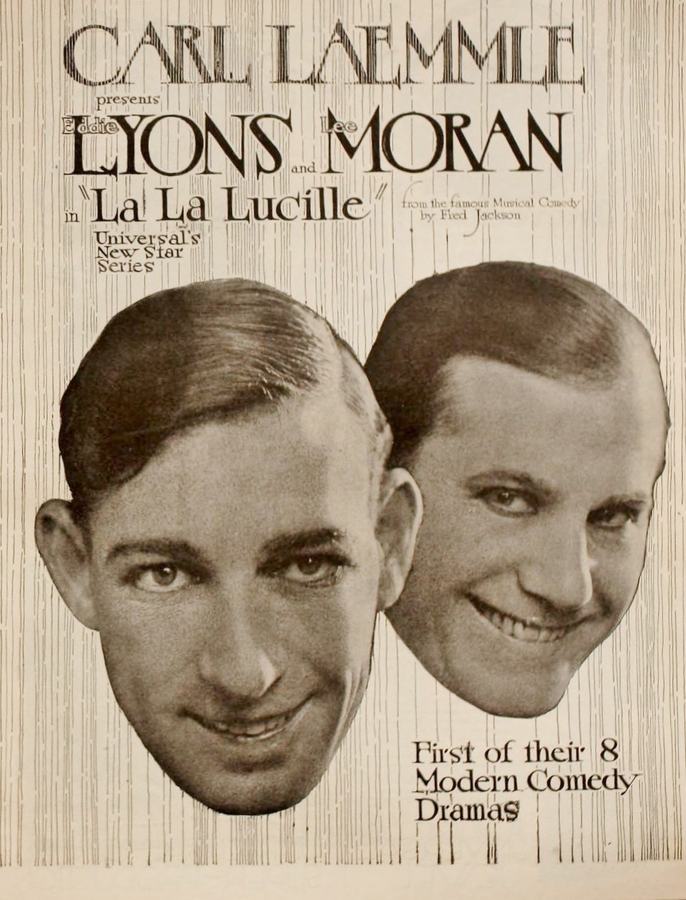
A lone locomotive exhales steel breath across a dusk-soaked prairie while Beth Darlington—part flapper, part penitent—clutches a valise stuffed with pawned dreams and a pearl-handled derringer she’s never fired. Eddie Lyons, a hoofer turned hobo, vaults into the boxcar wearing a tuxedo coat over union suit long-johns, pockets rattling with subway tokens from a city that no longer exists. Between them, a single kerosene lantern paints cabaret shadows on warped pine, illuminating a map inked with the phrase KEEP MOVING scrawled every hundred miles like a catechism. Their destination is nowhere; their contract with the audience is to outrun every cut-rate myth the 1920s has hawked—frontier piety, jazz-age excess, the very idea that mileage can outpace memory. Over reels that feel like fevered flip-books, Robert A. McGowan’s script stages a Stations of the Cross for the peripatetic: a carnival where barkers auction off last rites, a revival tent where tap shoes nail salvation to the floorboards, a dust-blown courthouse whose gavel is a banjo neck. Each stop peels another lamination off American iconography until the film itself begins to sprocket and buckle, melting its own title card into a blob of nitrate that seems to whisper, "You can’t go home again if you never had one." By the time the train derails into a lake of mirrored glass, Darlington and Lyons have traded not just identities but shadows, leaving the audience holding a ticket stub that combusts like a magnesium flare—proof that cinema can be both getaway car and crime scene.
Review Excerpt
"
Nitrate ghosts don’t stay buried; they hitch rides.
When the first extant print of Keep Moving surfaced in a Slovenian salt mine two winters ago, archivists expected another slapstick one-reeler. Instead they found a palimpsest stitched from American restlessness—frames scarred like flapper knees, emulsion smelling of coal smoke and bathtub gin. What unspools is less a linear story than a fugue state: Beth Darlington’s iris-wide eyes become twin projection booths, flashing alternate Americas ag..."