DbcultAccessing Vault...
5.4/10
Senior Film Conservator
A definitive 5.4/10 rating for a film that redefined the boundaries of cult cinema. Good Morning, Nurse remains a cornerstone of transgressive art.
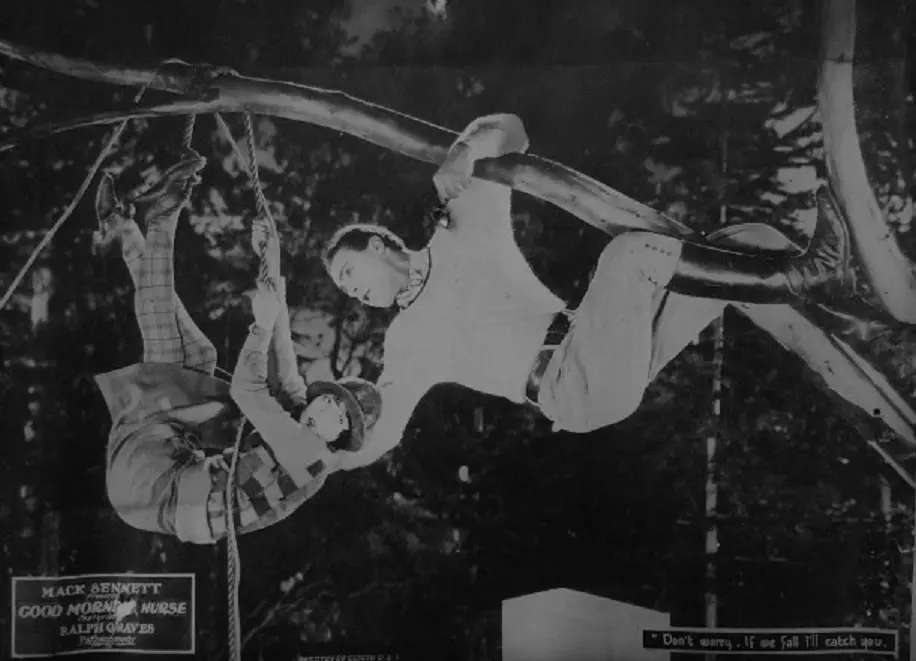
In the heart of the wilderness, under the vast, unyielding sky, Roland Royce, a man of considerable wealth, decides to take his family and a captivating nurse, Olive Borden, on a camping trip. The air is thick with anticipation, the anticipation of nature's embrace and the promise of adventure. However, as the sun sets, painting the horizon in hues of orange and gold, little did they know that this trip would become a harrowing journey of survival, misunderstanding, and the clash between societal norms and personal desires.
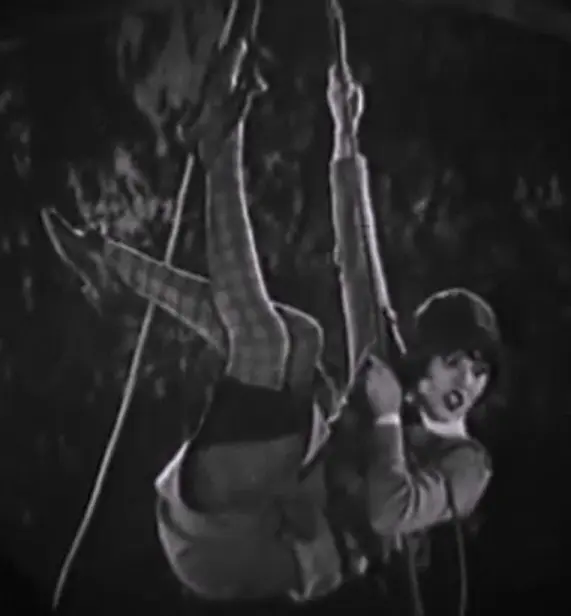
They set up camp in a secluded area, far from the prying eyes of civilization, hoping to find solace in the wilderness. The initial days are marked by laughter and camaraderie, the nurse's vivacity adding a vibrant note to the proceedings. Roland, ever the patriarch, tries to maintain order, but the natural world has its own agenda. The first hint of trouble comes when they realize that they have forgotten their fishing gear, a crucial element for their survival. This minor setback is soon overshadowed by a series of events that test the limits of human endurance and the bonds of family.
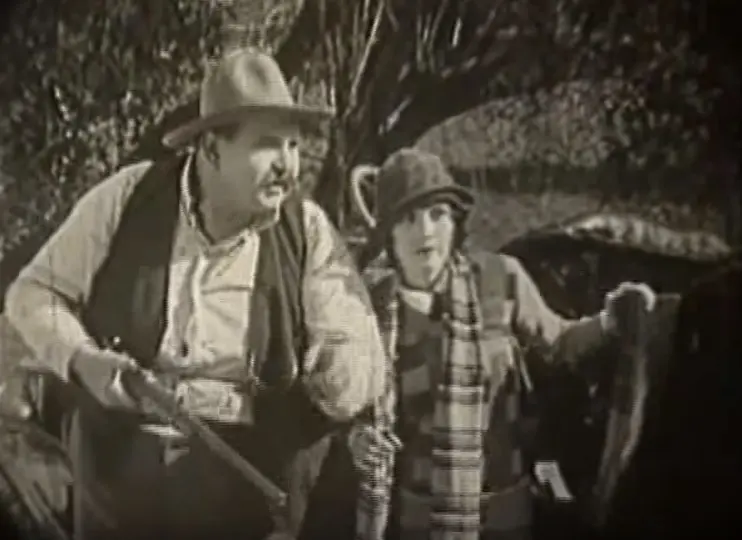
The night is dark, and the temperature drops, threatening to freeze their supplies. Roland, in his anxiety, makes a series of impulsive decisions that strain the trust between him and his family. The nurse, caught in the middle, finds herself caught between the needs of the group and her own professional responsibilities. As the days pass, the situation worsens. A sudden storm catches them off guard, and the tent collapses, leaving them vulnerable to the elements. The nurse, despite her protests, is forced to make difficult choices that challenge her sense of duty and propriety.
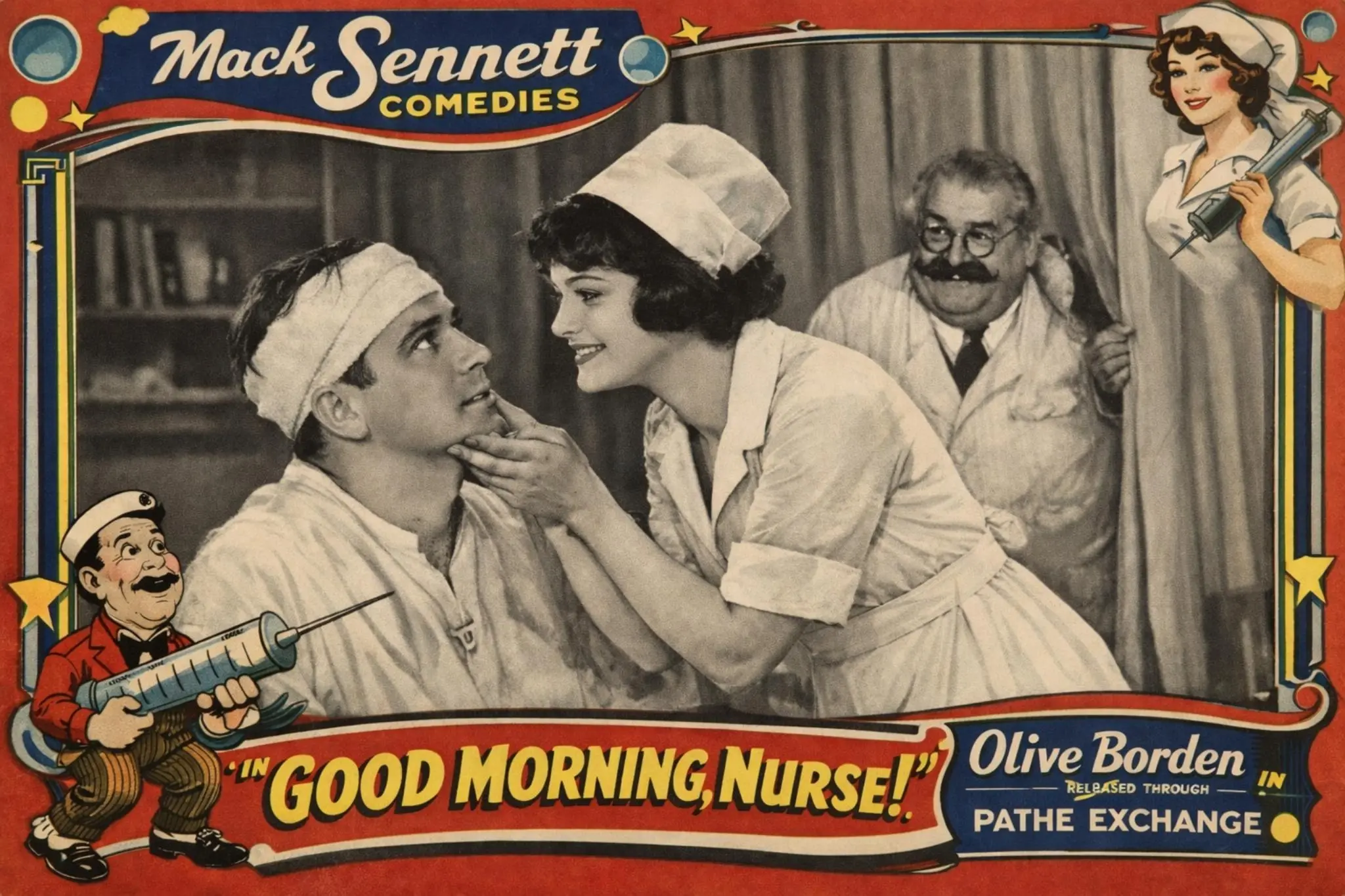
Their predicament is only compounded when a group of hikers, lost in the wilderness, stumble upon their camp. The encounter is fraught with tension, with the nurse caught in a moral dilemma. She must decide whether to reveal their whereabouts, risking potential harm, or maintain the secrecy that could save their lives. The hikers, initially seen as potential allies, turn out to be more complex than they appear, adding another layer of complexity to the situation. The nurse's dilemma is not just a matter of survival but a moral one, testing her resolve and her commitment to her profession.
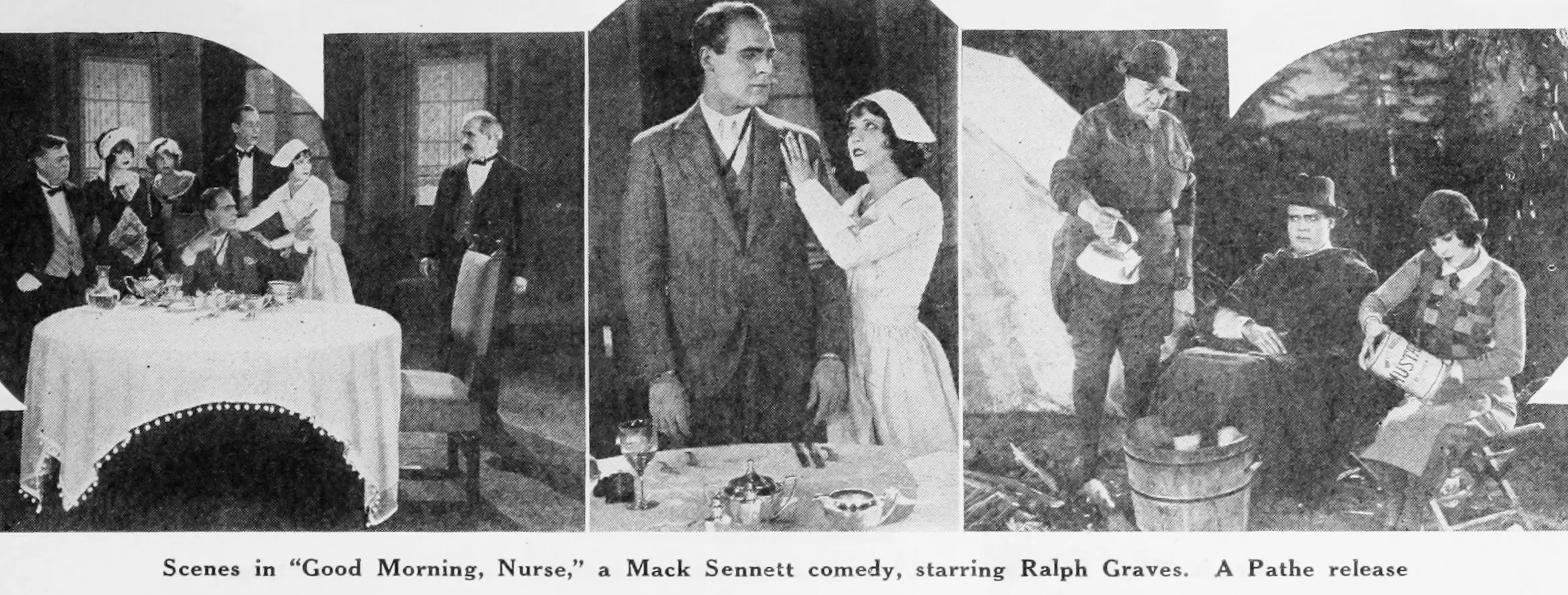
The film's narrative is a stark reflection of the era's societal norms, where the roles of men and women were clearly defined, and the landscape of the American West was a canvas of both beauty and danger. In the midst of this chaos, the nurse's character emerges as a pivotal figure, her actions and decisions driving the plot forward. She is not just a supporting character but a force of nature, her presence felt even in the most dire of circumstances.
The cinematography is a marvel, capturing the raw beauty of the wilderness and the stark contrasts between light and darkness. The directorial choices, while limited by the technical constraints of the era, are nonetheless effective in conveying the emotional turmoil of the characters. The use of shadows and silhouette adds depth to the scenes, enhancing the sense of foreboding and the isolation of the characters.
One cannot help but draw comparisons with other works of early cinema, such as 'The Golem' (1920) and 'The Writing on the Wall' (1925). Both films explore the tension between the known and the unknown, the familiar and the foreign. In 'The Golem,' the forces of nature are personified, creating a sense of otherworldly danger. Similarly, 'The Writing on the Wall' delves into the psychological toll of isolation and the human condition in the face of the unknown. 'Good Morning, Nurse' shares these thematic elements, albeit in a more domestic and personal setting.
The performances are noteworthy, particularly those of Olive Borden, whose character is complex and multifaceted. She manages to convey a range of emotions, from vulnerability to strength, without overacting. Ralph Graves, as Roland Royce, brings a sense of gravitas to the role, his decisions and actions driving the narrative forward. The ensemble cast, including Marvin Loback, Irving Bacon, Eli Stanton, and Eva Thatcher, brings depth and nuance to the supporting roles, contributing to the film's rich tapestry of characters.
In conclusion, 'Good Morning, Nurse' is a fascinating glimpse into the early days of cinema, a film that, despite its technical limitations, manages to tell a compelling story. It is a testament to the power of narrative and character development, even in the absence of sophisticated filmmaking techniques. It invites the viewer to reflect on the nature of adventure, the fragility of human relationships, and the complexities of morality in a rapidly changing world. It is a film that, like its setting, is both beautiful and terrifying, a true masterpiece of early cinema.
IMDb —
1929
Community
Log in to comment.