DbcultAccessing Vault...
Cult Review
Senior Film Conservator
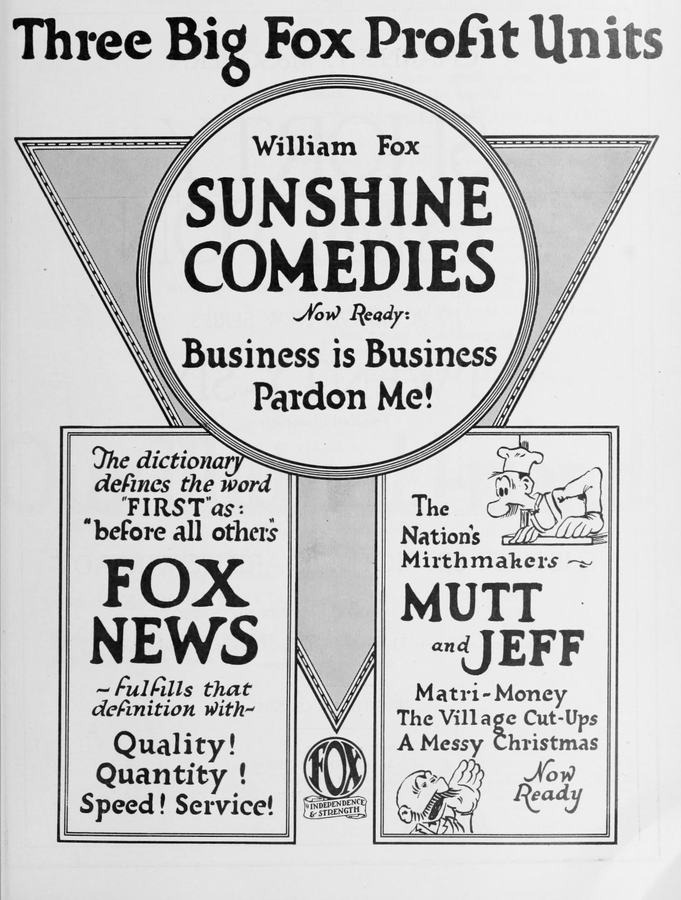
Bud Fisher’s Village Cutups arrives like a weathered shoebox of photographs rescued from a barn fire: edges singed, faces half-scorched, yet the gaze of the past pierces hotter than any flame. Shot on salvaged 28-millimeter stock that wheezes through the gate like an asthmatic accordion, the film refuses the polished rectitude of contemporaries such as The Bride's Silence or the moral thunderclap of I Accuse. Instead, Fisher—playing mischievous Puck and grief-struck archivist—cuts his hometown footage into a cinematic ransom note, demanding we recognize the absurdity stitched inside every “once upon a time.”
The opening vignette alone detonates nostalgia: a brass band marches backward while a toddler in a devil costume pedals forward, creating an impossible Möbius parade. The camera jitter is not incompetence but cardiac arrhythmia; the frame itself seems terrified of what it captures. Compare this to the stately pans of Over the Garden Wall, and you’ll grasp how Fisher weaponizes imperfection as both ethos and aesthetic.
Plot, that tyrant of classical cinema, is dethroned here. What we witness resembles a community anthology whose pages were fed through a threshing machine. A farmer teaches his horse to read chalkboard letters; a schoolmarm kisses the daguerreotype of a dead sailor; three elderly brothers reenact their childhood oath inside a collapsing granary while fireworks spelling “PROGRESS” fizzle overhead. Each micro-drama lasts mere seconds, yet Fisher’s montage ricochets them against one another until emotional shrapnel accumulates. The effect lands somewhere between a fever dream and a county fair: you taste cotton candy and blood.
Midway through, the celluloid appears to devour itself—frame lines blister, emulsion bubbles blossom like crimson algae. Some critics dismiss this as decomposition; I read it as auto-critique. Fisher reminds us that memories rot faster than peaches, and archives are graveyards where history’s carcass is picked by bureaucrats and beetles alike. The moment dovetails with the nihilist entropy of Sodoms Ende, though Village Cutups tempers nihilism with gallows humor: a title card flashes “Please don’t spit on the floor—remember the projectionist is barefoot.”
The cast—neighbors coaxed by Fisher’s promise of “immortality or free lemonade”—move with the hesitant grandeur of people who’ve never seen a camera yet intuit its judgment. A teenage girl, told to “act natural,” twirls her parasol so fiercely it becomes a propeller lifting her into some invisible sky. An undertaker practices smiles in a hand mirror, each grimace more unconvincing than the last, until the mirror itself is replaced by a death certificate. Because Fisher withholds close-ups, faces remain geographies rather than biographies; you study cheekbones like distant ridgelines, searching for footpaths into their psyche.
This democratic anonymity stands in pointed contrast to star-driven vehicles like Luciella or Sunny Jane, where charisma is currency. Here, charisma bankrupts itself; the camera loves the unloved, and glamour suffocates under barnyard dust.
Make no mistake: beneath the haystack whimsy seethes political vitriol. Released months after the armistice, Village Cutups side-eyes the chest-thumping nationalism saturating newsreels. Fisher intercuts victory parades with footage of amputee veterans learning farm chores with hooks and crutches; the brass band’s triumphant anthem slows to dirge tempo via projector speed manipulation, revealing patriotism as carnival hypnotism. You’ll exit pondering whether every small-town jubilee is merely empire’s propaganda wearing a daisy crown.
This subversive streak aligns Fisher more with the European avant-garde—think of Mellan liv och död—than with domestic slapstick merchants. Yet because his battleground is the rural American arcadia, the critique slices deeper. He’s not lambasting distant monarchs; he’s exposing neighbors who traded sons for slogans.
Though silent, the film orchestrates a symphony of implied acoustics: the thunk of a bucket descending a well, the hush when a child’s marble rolls beneath the church pew, the collective inhalation as a bride’s garter snaps. I swear I heard corn stalks gossip during the screening; my brain, starved of waveform, hallucinated soundtrack. Such synesthetic trickery rivals the uncanny aural voids in The Leopard's Bride, proving again that absence can be louder than orchestras.
Nitrate deterioration, typically archivists’ nightmare, becomes Fisher’s co-author. A swarm of white flecks consumes a baptism scene until the river resembles a galaxy; the convert emerges not from water but from stardust. Decay transfigures into cosmic apotheosis—an alchemical triumph few auteurs achieve without CGI alchemy.
Where Modern Love chases urbane eroticism and R.S.V.P. polishes socialite satire, Village Cutups wallows in manure-scented authenticity, finding profundity in pigpen puddles. Its collage DNA echoes the structural playfulness of Stop That Shimmy, yet swaps flapper fizz for rural existentialism. Meanwhile, the fatalistic romance of It Happened to Adele pales beside Fisher’s communal heartbreak: entire villages can be jilted by history.
Because we’re all villagers somewhere, splicing selfies into montages that proclaim coherence where none exists. Fisher’s masterwork warns that nostalgia unexamined becomes fascism’s fertilizer; memory unmoored becomes tyrant’s scripture. Watching Village Cutups is akin to swallowing a roll of barbed wire—painful, absurd, yet perversely cleansing.
Seek a 35 mm print if you can; digital files flatten the emulsion’s topographical grandeur. When the projector clatters and the bulb flickers, whisper thanks to the gods of imperfection. Then exit into neon night, hearing—truly hearing—the creak of your own bones, the splice marks of mortality. And remember: every village, however quaint, harbors a cutup with scissors poised to snip your self-flattering saga into confetti.
Verdict: Mandatory viewing for anyone who believes cinema ends where Netflix algorithms begin. 9.7/10
IMDb 6
1932
Community
Log in to comment.