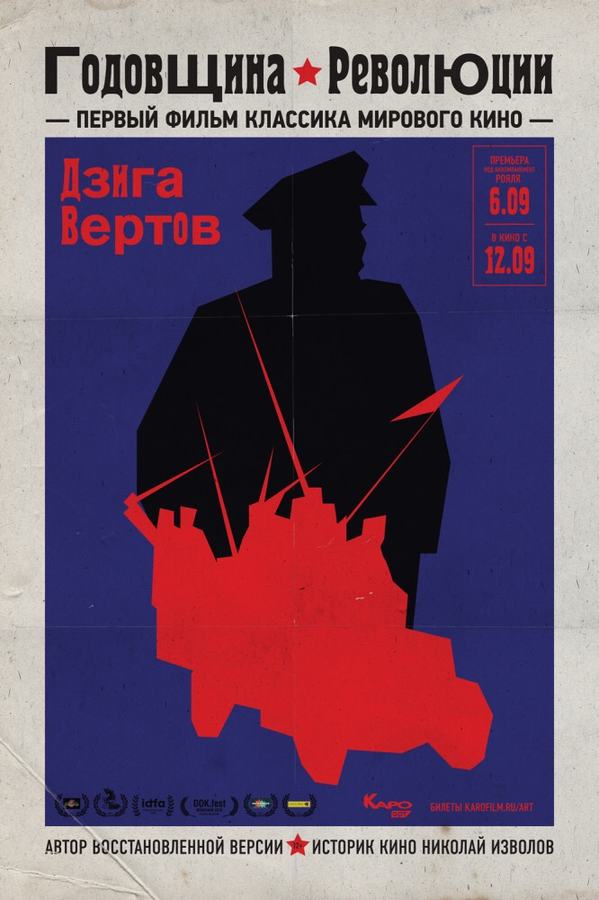
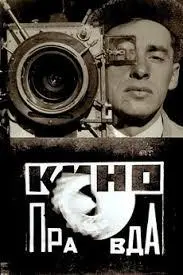
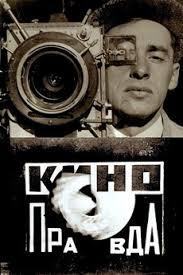
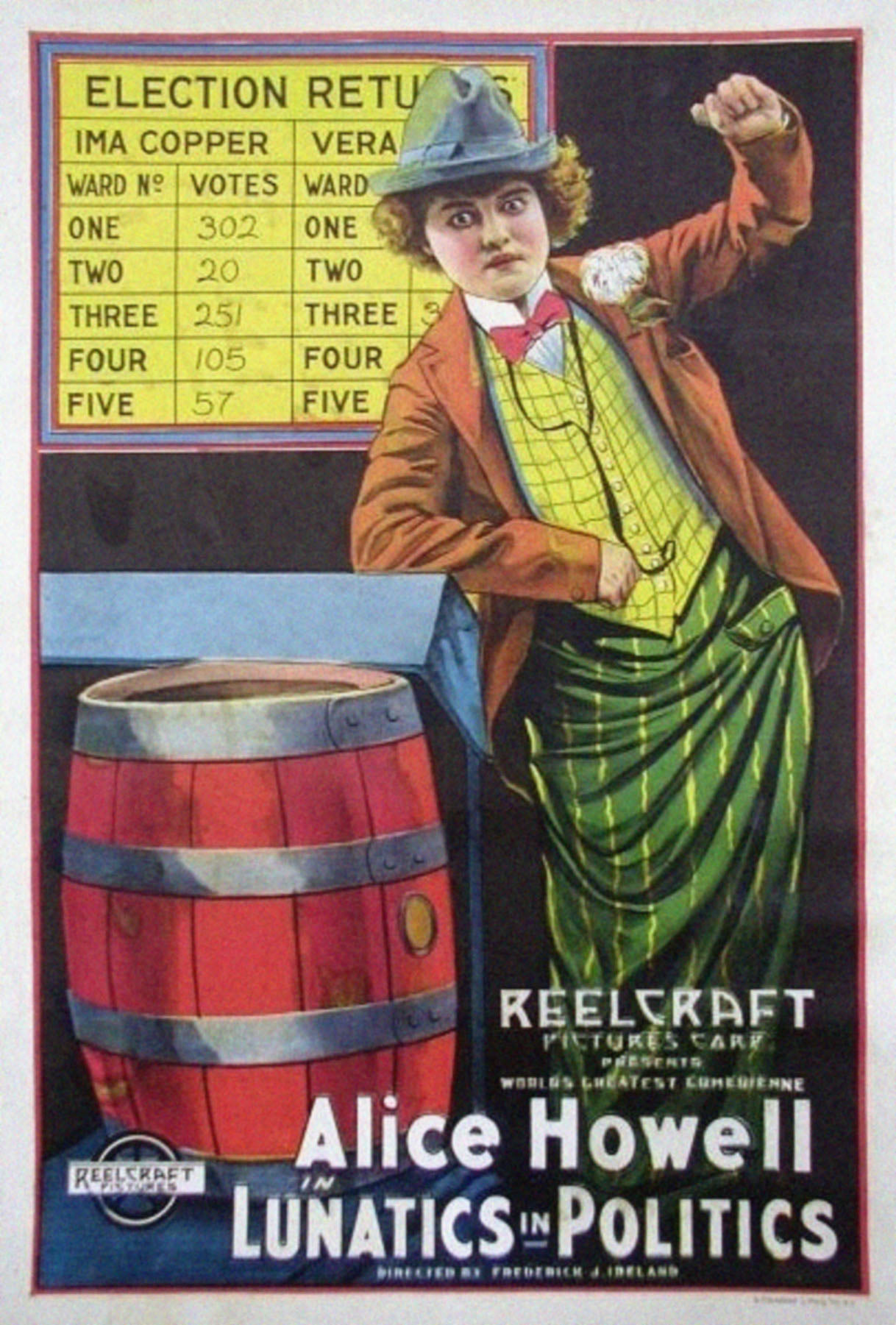
A series of newsreel films from Dziga Vertov, Elizaveta Svilova, and Mikhail Kaufman which document Russian Life in the early 1920s..
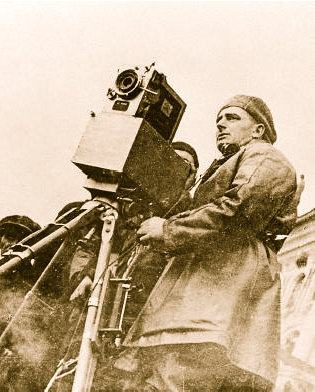
Soviet Union
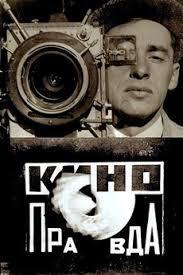
Imagine a newspaper that refuses to stay flat, pages that flutter, combust, reassemble themselves into locomotives and toddlers. That is the intoxicating sabotage Dziga Vertov orchestrates in Kino-pravda no. 4, a twenty-minute bulletin that detonates the very concept of bulletin. Shot in the frost-bitten dawn of 1922...
Comparing the cinematic DNA and archive impact of two defining moments in cult history.
Dziga Vertov
Eduardo Notari
Community
Log in to comment.
" Imagine a newspaper that refuses to stay flat, pages that flutter, combust, reassemble themselves into locomotives and toddlers. That is the intoxicating sabotage Dziga Vertov orchestrates in Kino-pravda no. 4, a twenty-minute bulletin that detonates the very concept of bulletin. Shot in the frost-bitten dawn of 1922, this serial newsreel episode feels closer to a cybernetic organism than to journalism: it drinks electricity, exhales slogans, and keeps twitching long after the lights come up. ..."