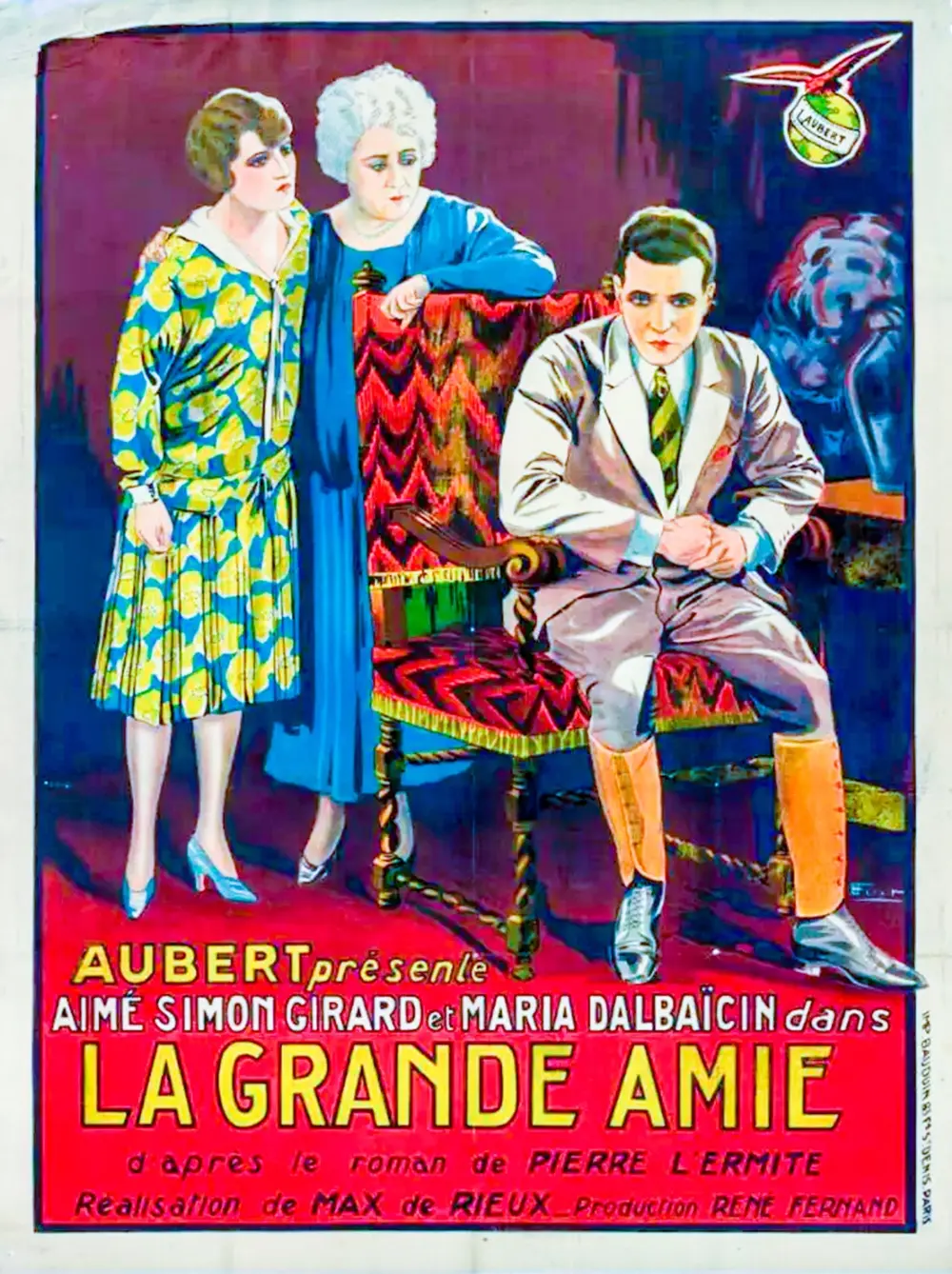
Is 'La grande amie' worth watching today? Short answer: yes, but with significant caveats. This rarely seen silent film from 1924, penned by the morally earnest Pierre L'Ermite, offers a fascinating glimpse into early French cinema and the values it sought to uphold. It’s a film for cinephiles, historians, and those wi...
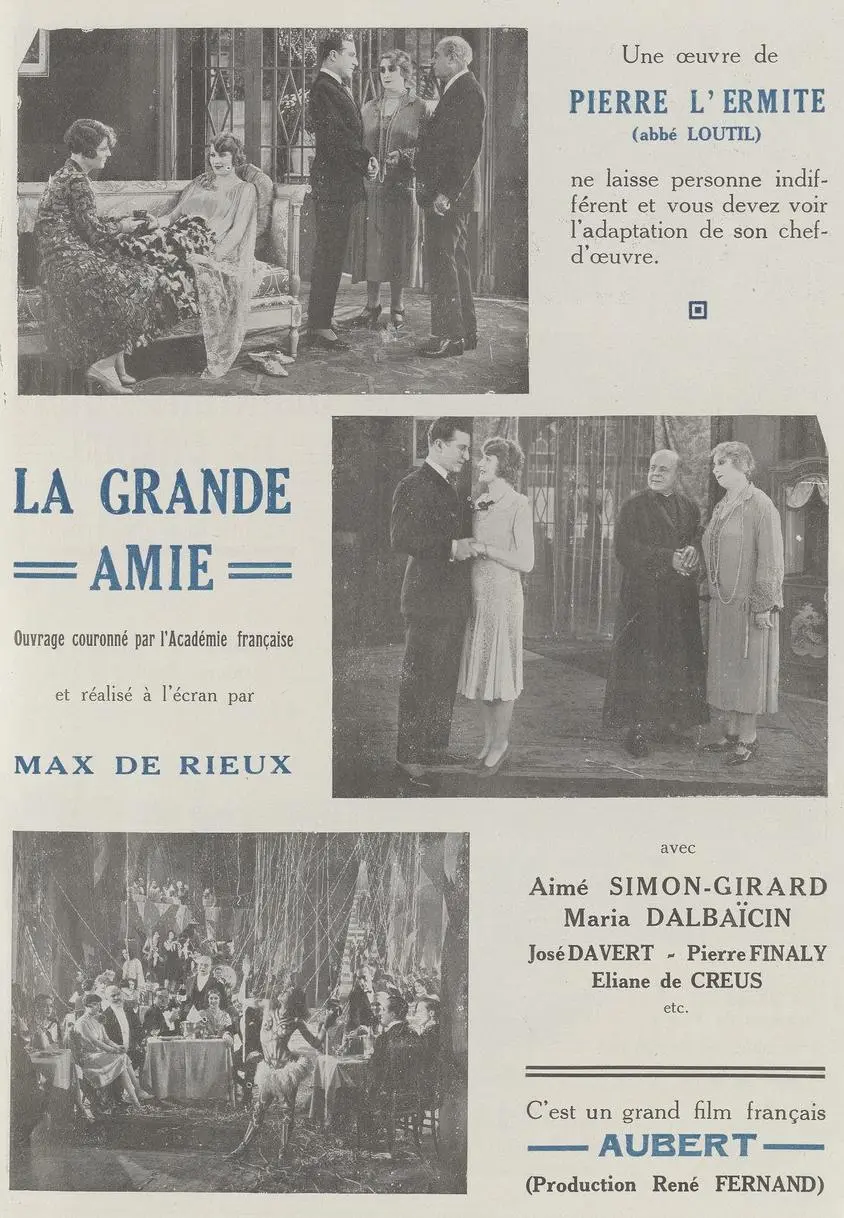
publicity
Comparing the cinematic DNA and archive impact of two defining moments in cult history.
Max de Rieux
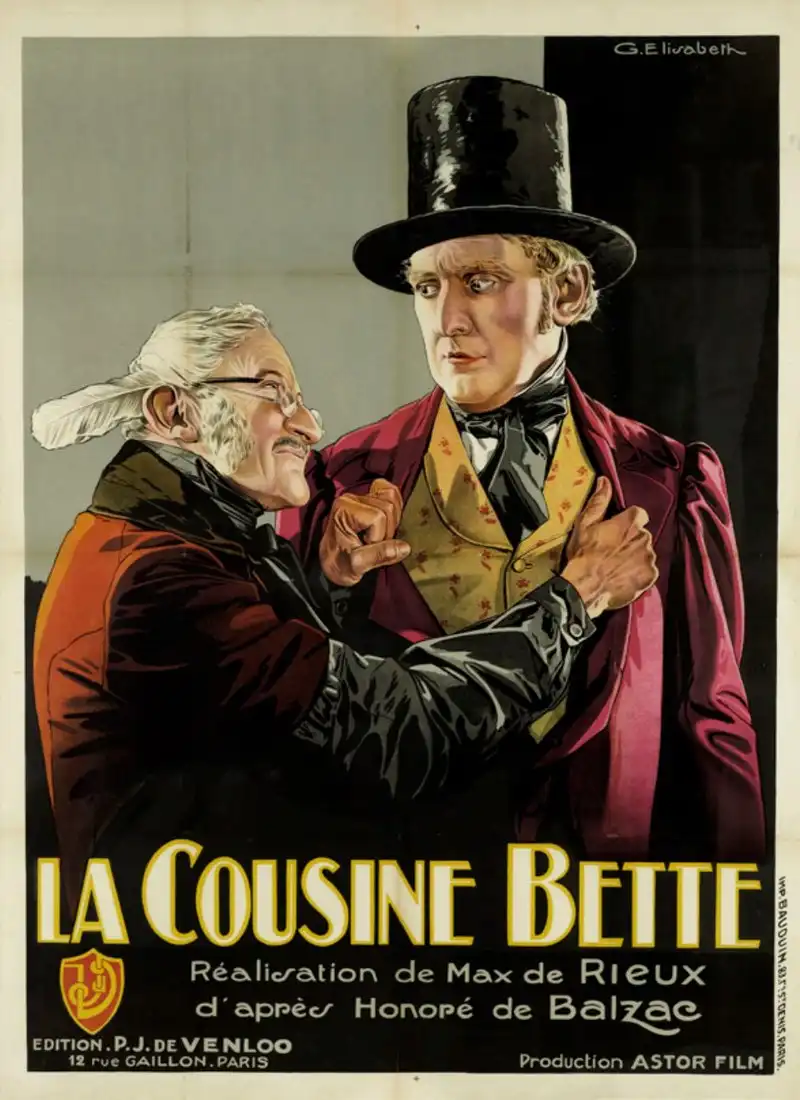
Max de Rieux
Community
Log in to comment.
"Is 'La grande amie' worth watching today? Short answer: yes, but with significant caveats. This rarely seen silent film from 1924, penned by the morally earnest Pierre L'Ermite, offers a fascinating glimpse into early French cinema and the values it sought to uphold. It’s a film for cinephiles, historians, and those with a deep appreciation for the foundational storytelling of the silent era, but it will undoubtedly test the patience of viewers accustomed to contemporary pacing and narrative con..."
Pierre L'Ermite
France
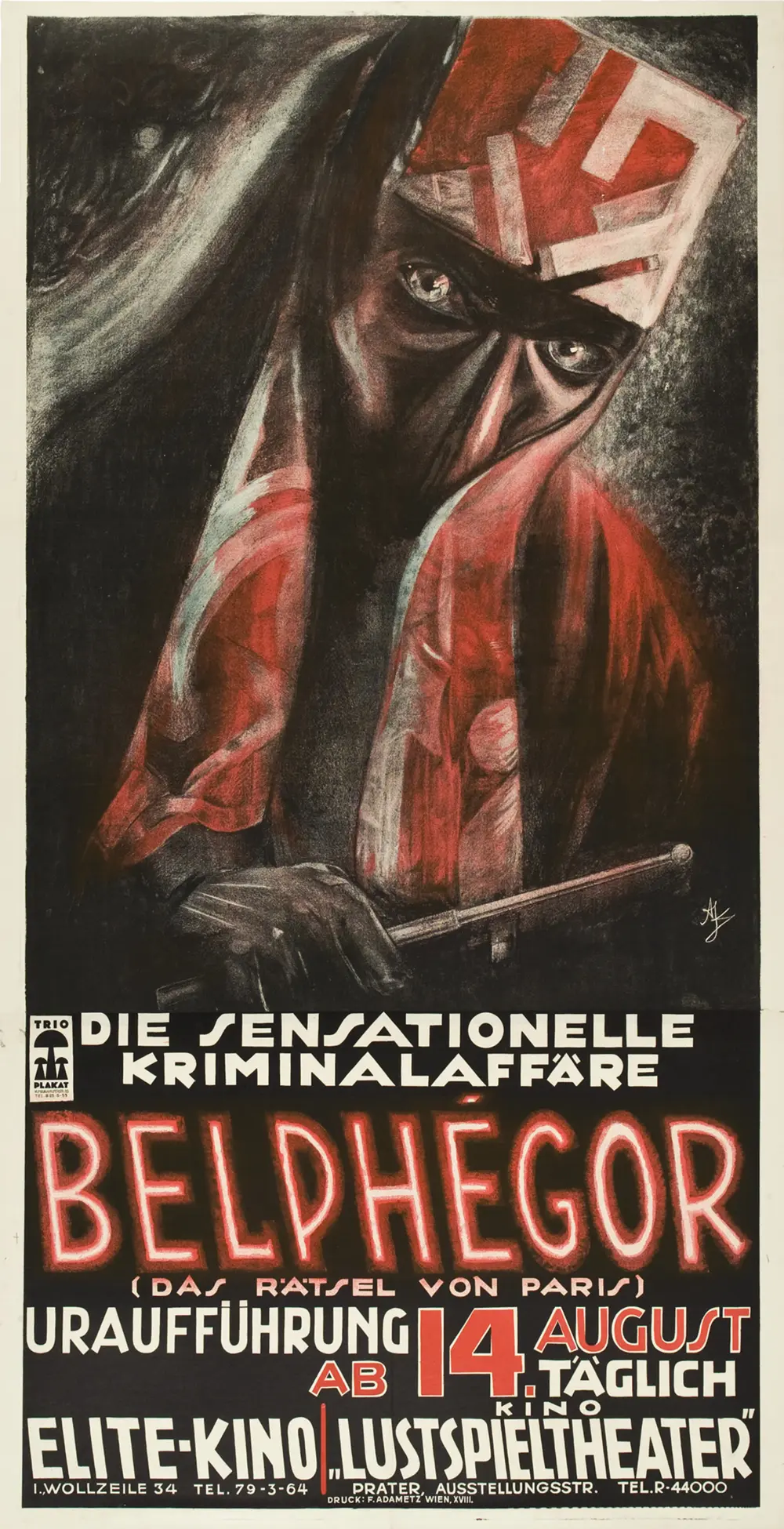
1927 · IMDb 7.7