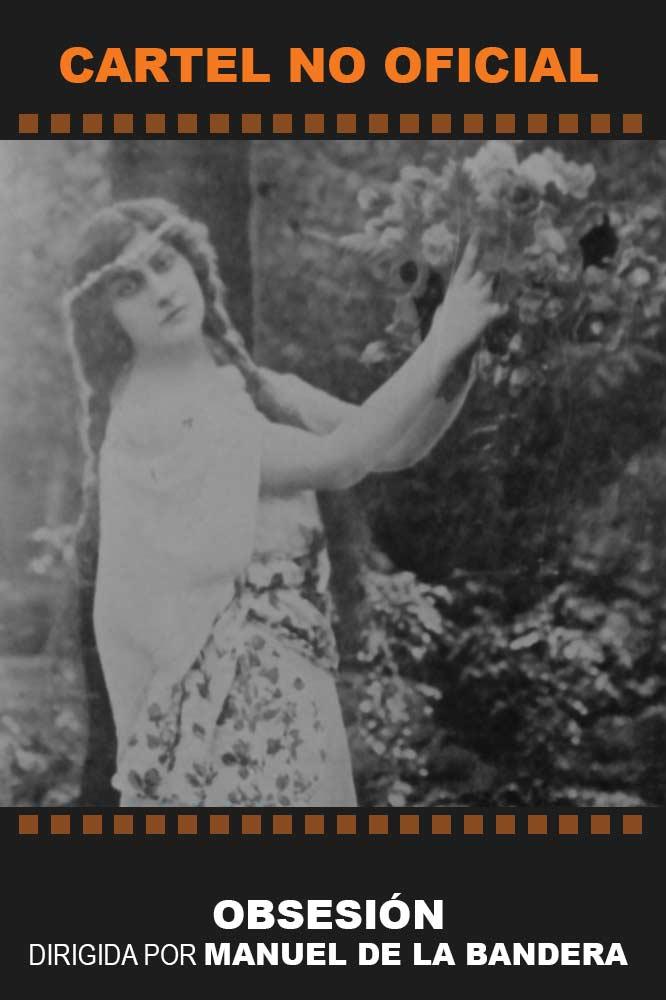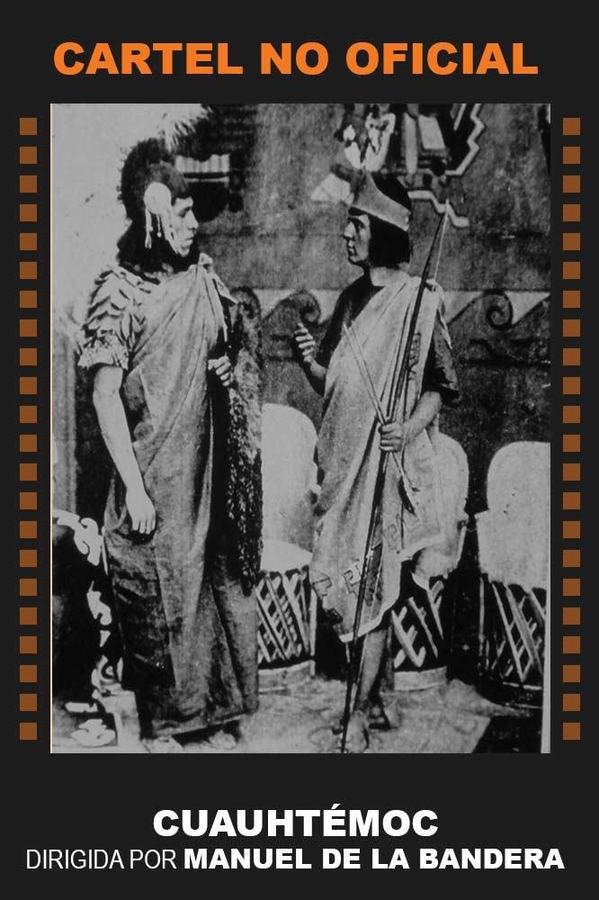
A three-part love story: Alborada, Cénit y Ocaso (Sunrise, Noon and Sunset). A dying prince (Agüeros) lives a stormy love affair with a "femme fatale" (Padilla) who doesn't care for his feelings.
Gabriele D'Annunzio, Señor Genin, Giovanni Pastrone
Mexico
If you enter La luz, tríptico de la vida moderna expecting polite Edwardian melodrama, brace yourself for a velvet slap. Pastrone’s 1918 triptych—Alborada, Cénit, Ocaso—doesn’t narrate a love story so much as allow it to asphyxiate in real time, each panel tightening like a silk garrote woven by Gabriele D’Annunzio h...
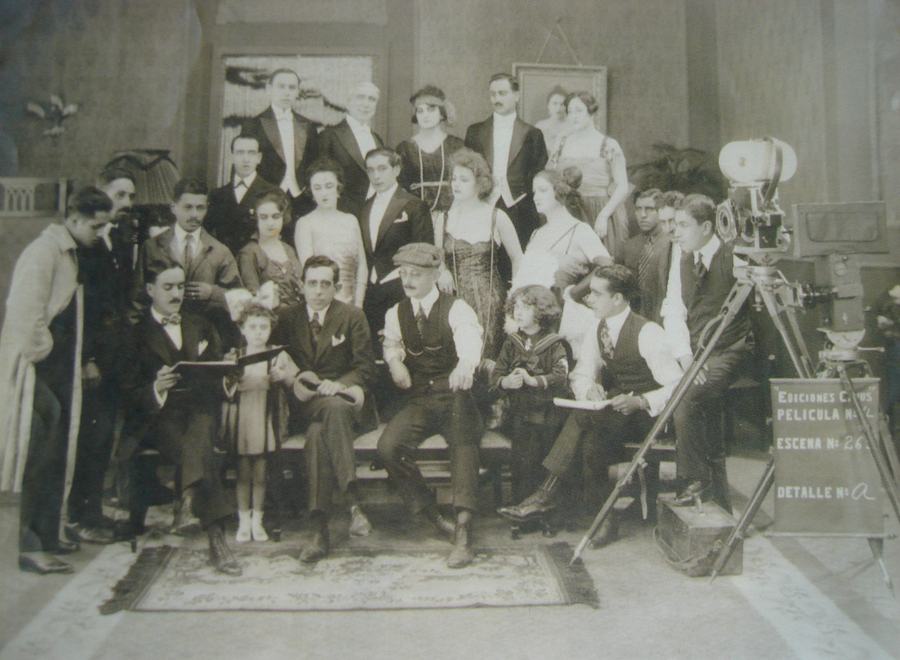
behind_the_scenes
Comparing the cinematic DNA and archive impact of two defining moments in cult history.
Manuel de la Bandera
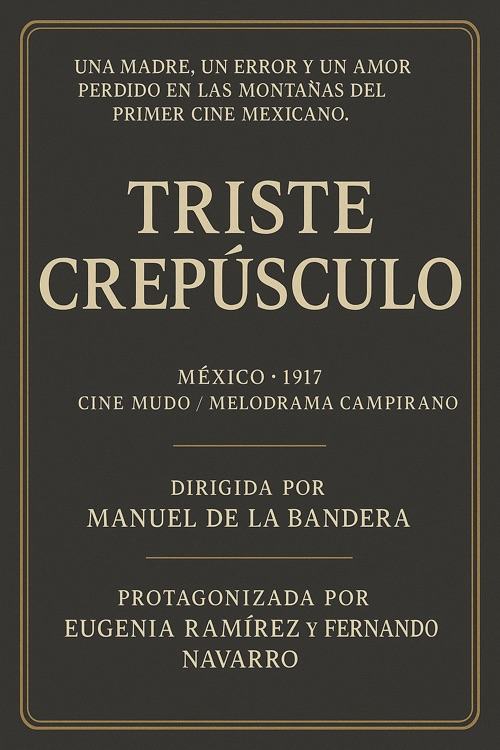
Manuel de la Bandera
Community
Log in to comment.
" If you enter La luz, tríptico de la vida moderna expecting polite Edwardian melodrama, brace yourself for a velvet slap. Pastrone’s 1918 triptych—Alborada, Cénit, Ocaso—doesn’t narrate a love story so much as allow it to asphyxiate in real time, each panel tightening like a silk garrote woven by Gabriele D’Annunzio himself. The film opens on what feels like a Caravaggio suspended in mid-air: a half-naked prince (Ernesto Agüeros) backlit by tapers whose flames lick the frescoed ceiling with er..."
1917 · IMDb —
Manuel de la Bandera
Deep dive into the cult classic
Discover similar cinematic experiences
A Directorial Spotlight on Manuel de la Bandera